
 LinkBack URL
 About LinkBacks



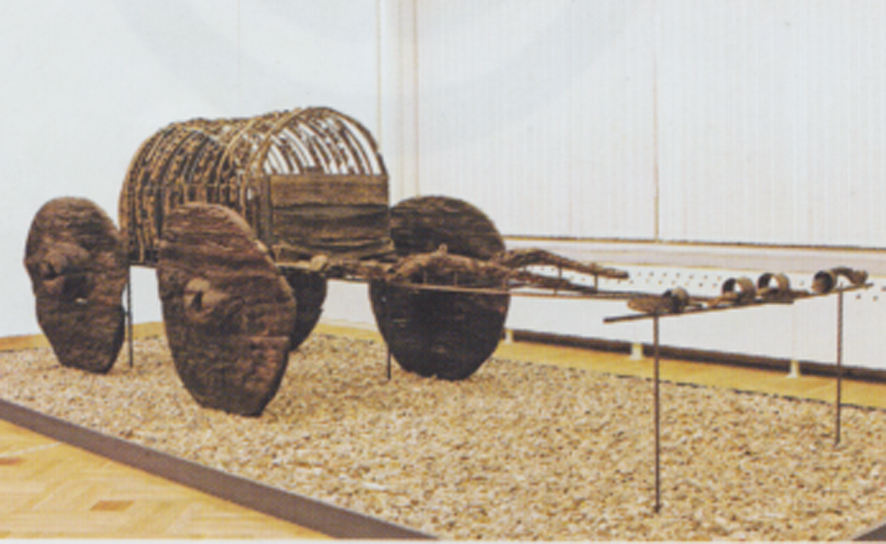
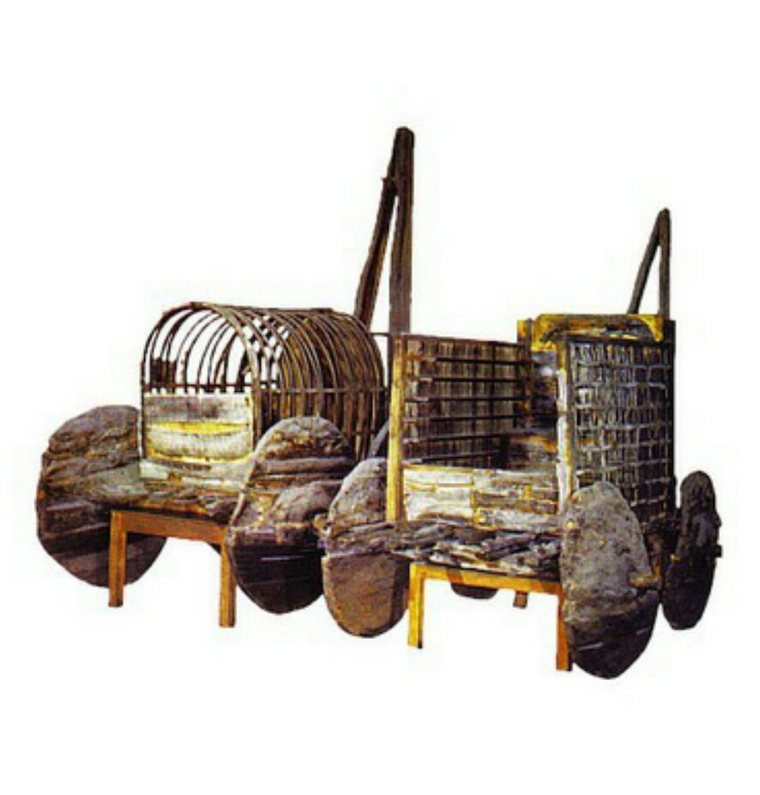
Good find. So the wagon was preserved under the lake, and was probably originally interred due to a burial ritual - including the horses from the funeral procession, still alive?Originally Posted by Elizabeth Greene

One of the ironies of ancient cultures and their complex religiously-themed burial rituals was that, in a sense, they worked well. However, the "afterlife" turned out to be the modern era, millennia later, where they are studied by historians and archaeologists.They were not chariots but four-wheel carts probably catafalques – that is a cart on which a body is placed for its funeral procession to the grave. The cart and horses are then buried with the hero.
Stuart Piggott's book The Earliest Wheeled Transport looks interesting. The dating of the wagon seems curious to me, but I'm not familiar with that era of history.



 Reply With Quote

Bookmarks