-
While living in that beautiful culture for several years I was fortunate enough to witness two "in company" competitions of this kind of "arcane skill." Imagine what they can do with well maintained machinery. ( all of their machines only get more accurate with usage. To them, maintenance is also a religious devotion.
-
Watch. Learn. Rinse. Repeat.
-
Yup, similar but not extensive as that. My first class on using files had me file a block of unfinished metal into a block of finished metal with specific measurements. Then when done we had to drill a hole and tap it. Then we had to finish off a rod to a specific thickness and length. Then we had to use a die on the rod so that the end of the rod could be screwed in but must be flush with the bottom of the block. You could not use a file to make it flush. I got it right the first time but as it took days, I had nightmares. Any mistakes required you to start all over again. I still have that somewhere. So I can appreciate that video.
-
1 Attachment(s)
Dear Gargoyle,
thank you for the video. I saw some more of them but didn’t find them anymore. What scares me is the filed pieces under the feeler gauge.
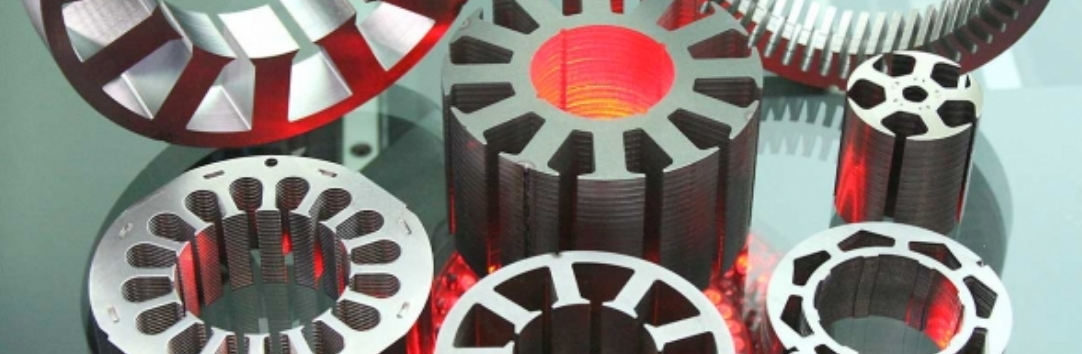
Devotion to hand tools is (was) decisive to the tool makers trade. The apprentice learns 2 prerequisites to be a master: 1. To know the importance of 1/2 thousanths of an inch and 2. to be resistant to fatigue and boredom. Remember that 60 years ago the dies for rotor and stator laminations were (after a rough milling) filed by hand;Attachment 4011912 or 24 or 36 identical shapes, in some cases already hardened. And even when the dies were dimensionally correct: The dies of certain toolmakers lasted, say, 150.000 strokes, whereas the dies of others lasted just 100.000. It was a ‚game‘ of competition and reputation.