
Originally Posted by
courierdog

Thanks everyone for the inspiring suggestions.
Let me start again.
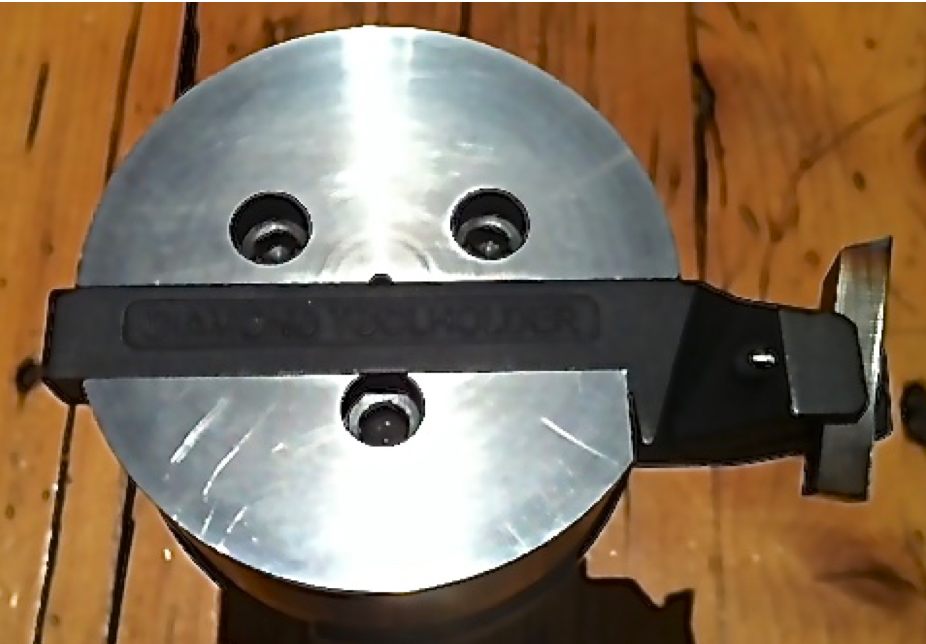
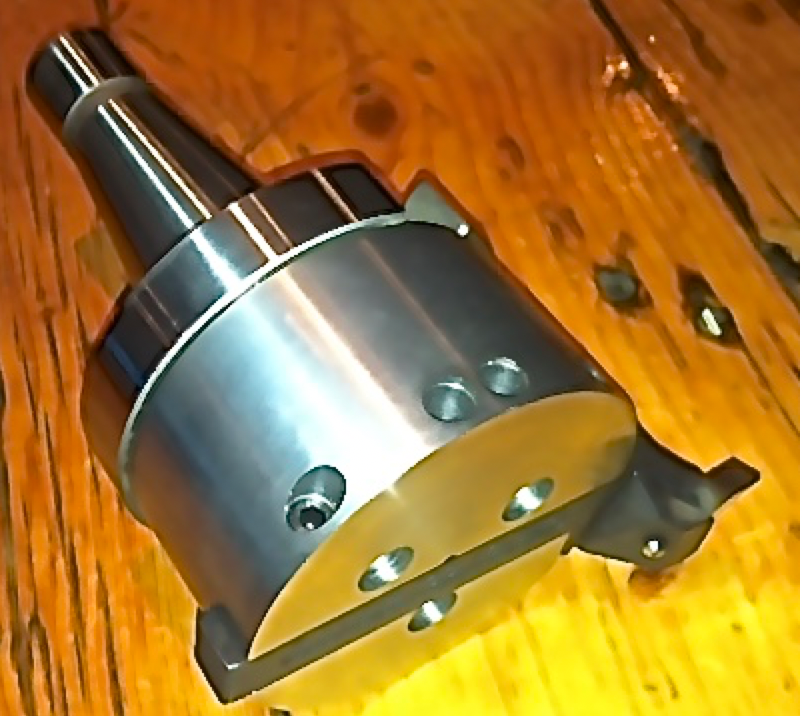
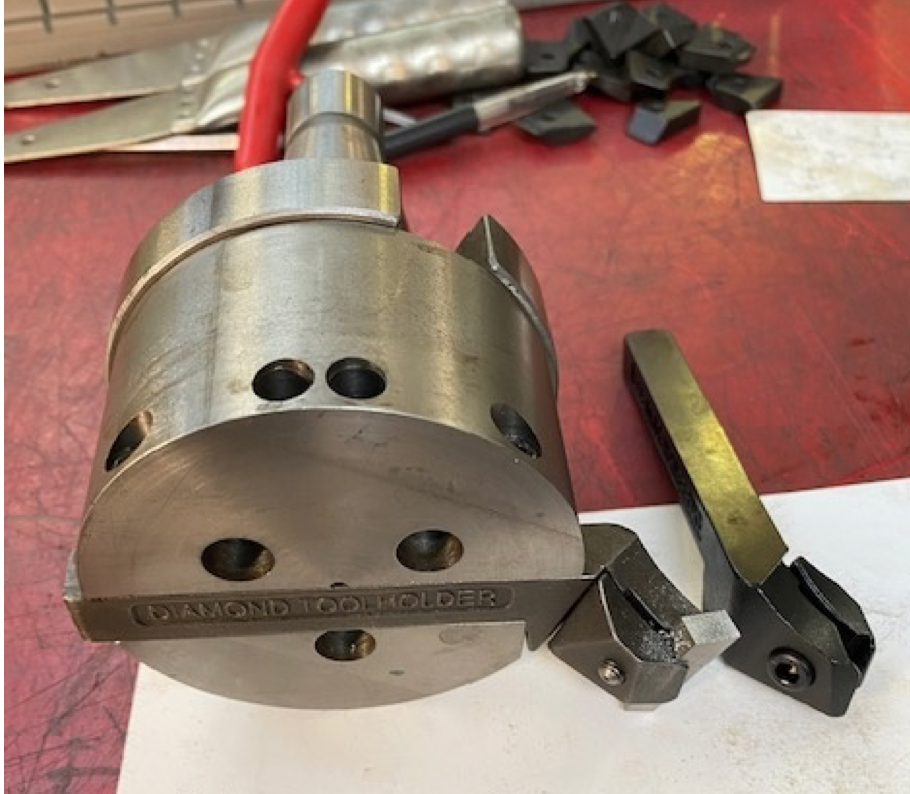
the purpose of this exercise is to present the tool bit to the work piece in the exact same orientation and manner as the Diamond Tool Holder holds and presents the tool bit to a rotating piece in a lathe. A rotating tool on the mill in my mental view, or proposed view, is a static view of the instant of contact. My Purpose for this approach is Simply to enable a newbie to start work using his lathe and his Mill with HSS Tool bits which can be resharpened simply and as often as required by a newbie with the aid of the. same jig as used to sharpen the tool bit as used in the Diamond Tool Holder.
This simplified tool bit profile and its cutting ability enable a simple approach to this Hobby of Machining with a minimal investment in equipment, tooling and enables again the newbie to sharpen and maintain the cutting tooling as required.
The Tangential Tool as used in the Diamond Tool Holder uses the entire end of the tool bit rather than a side or an edge of the tool bit.
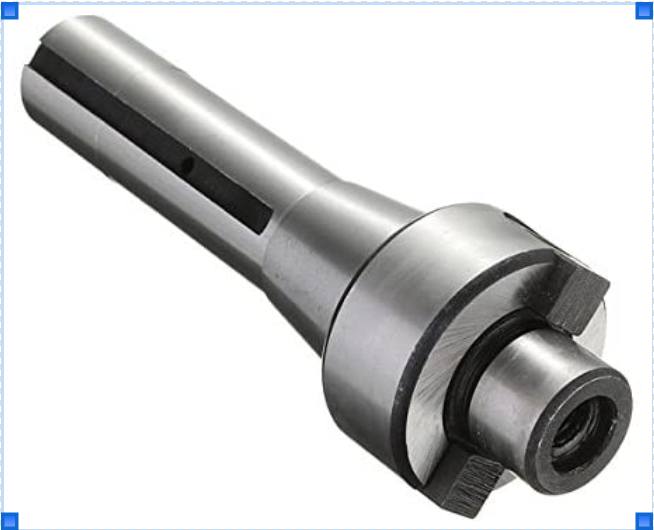
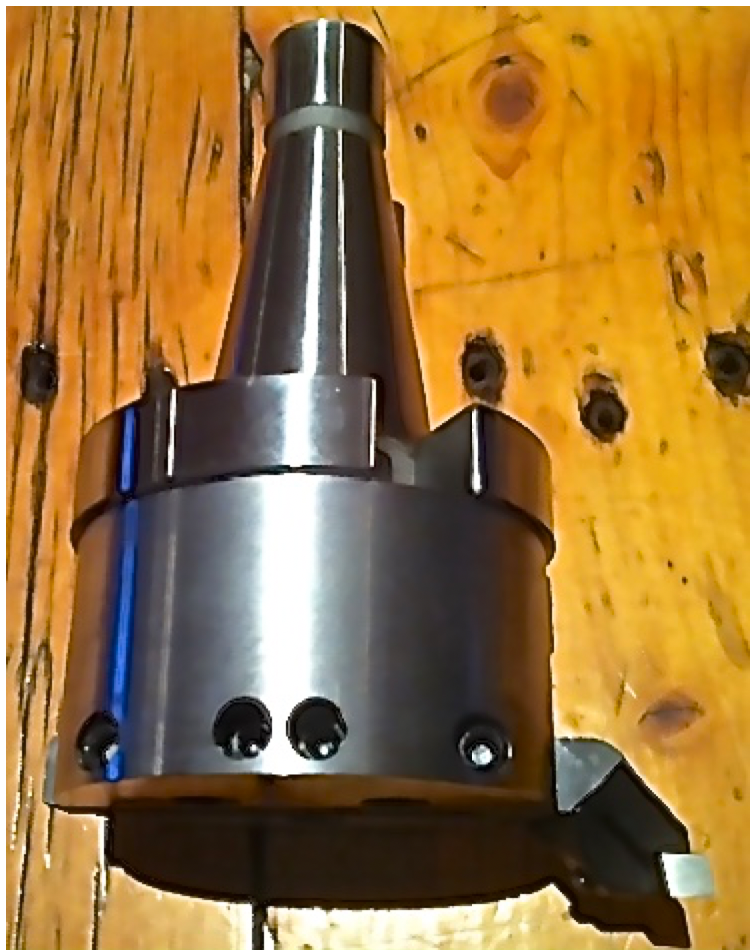
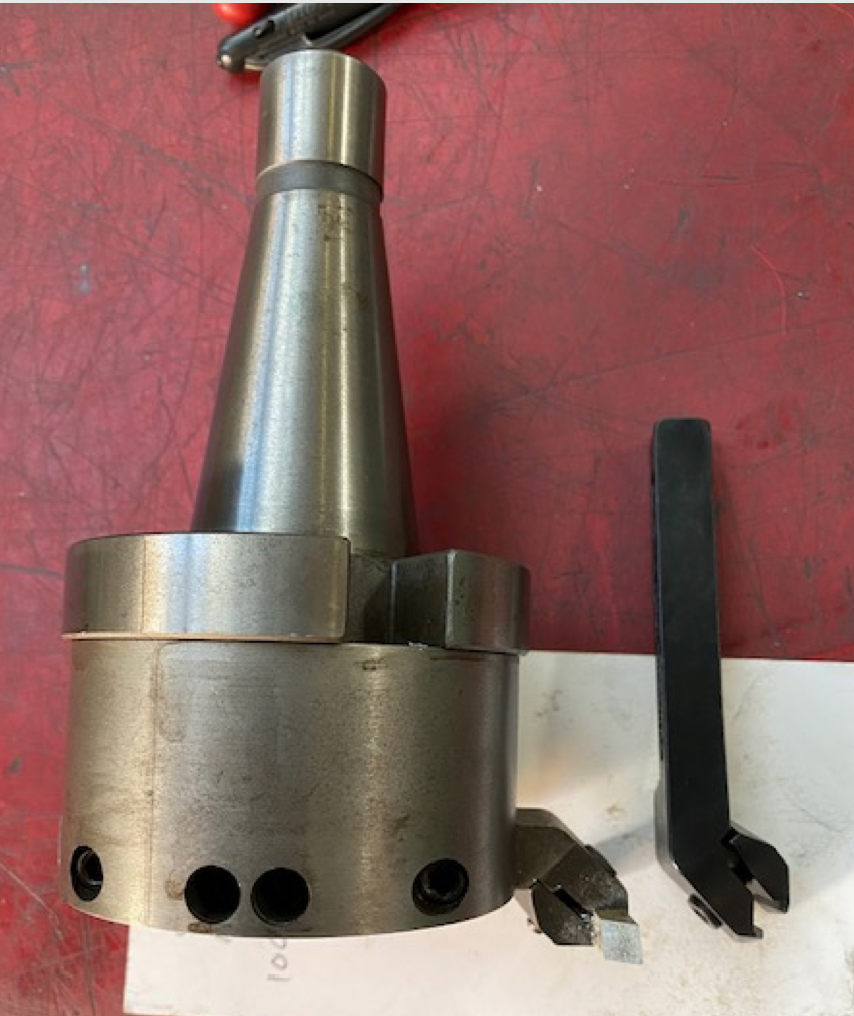
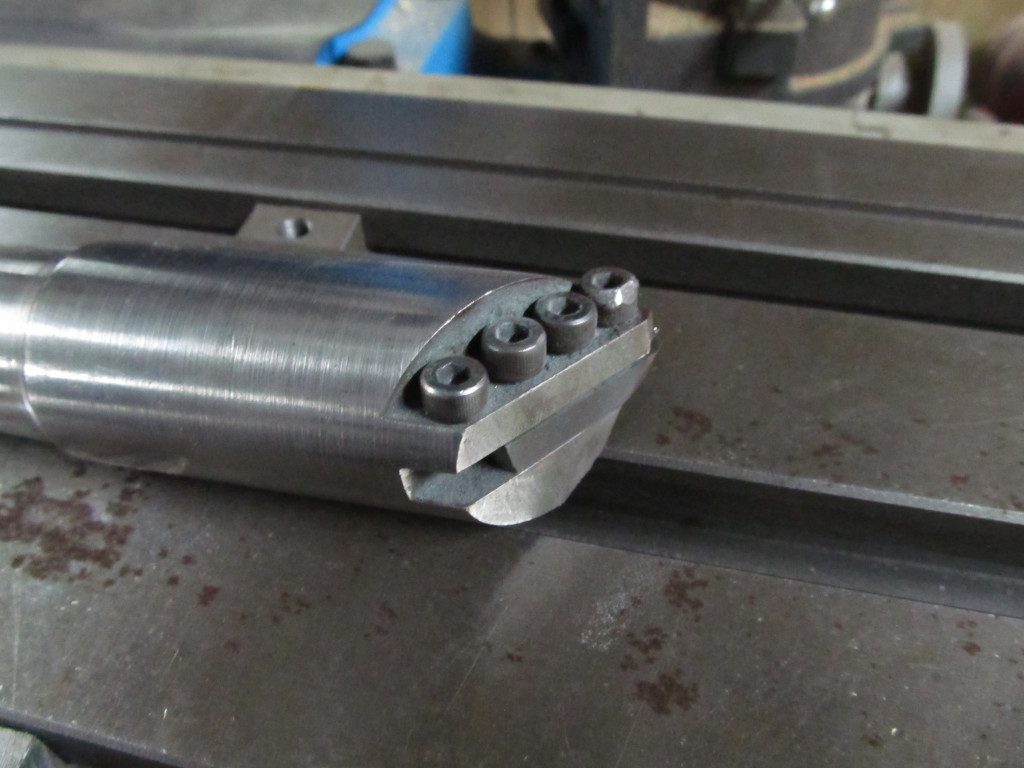
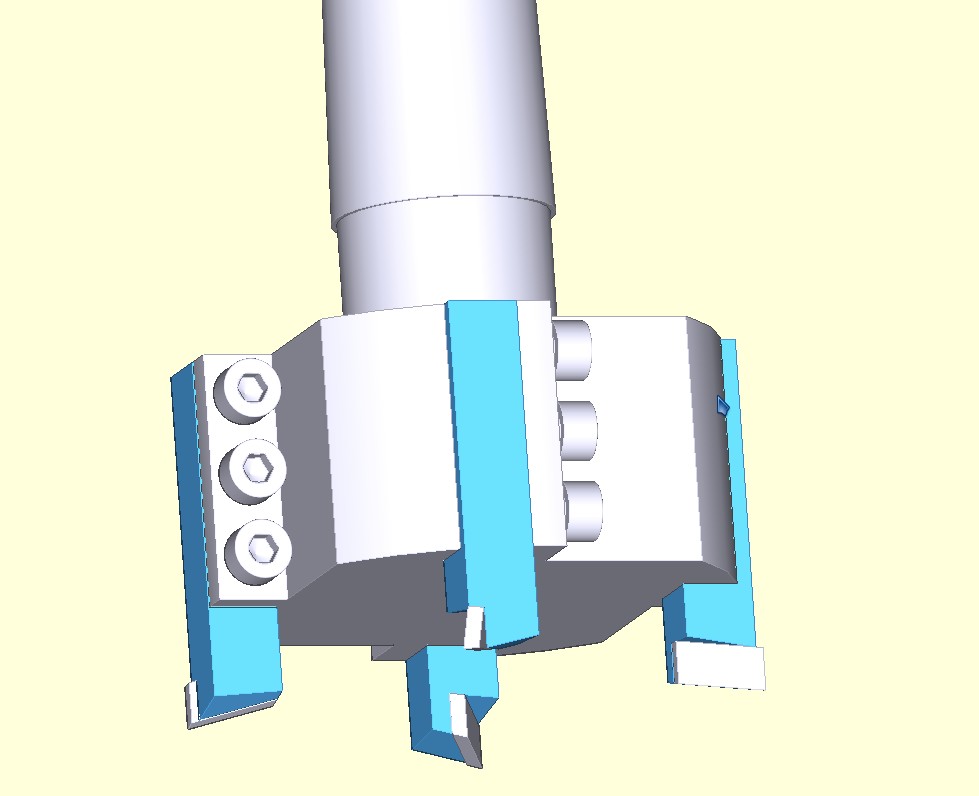
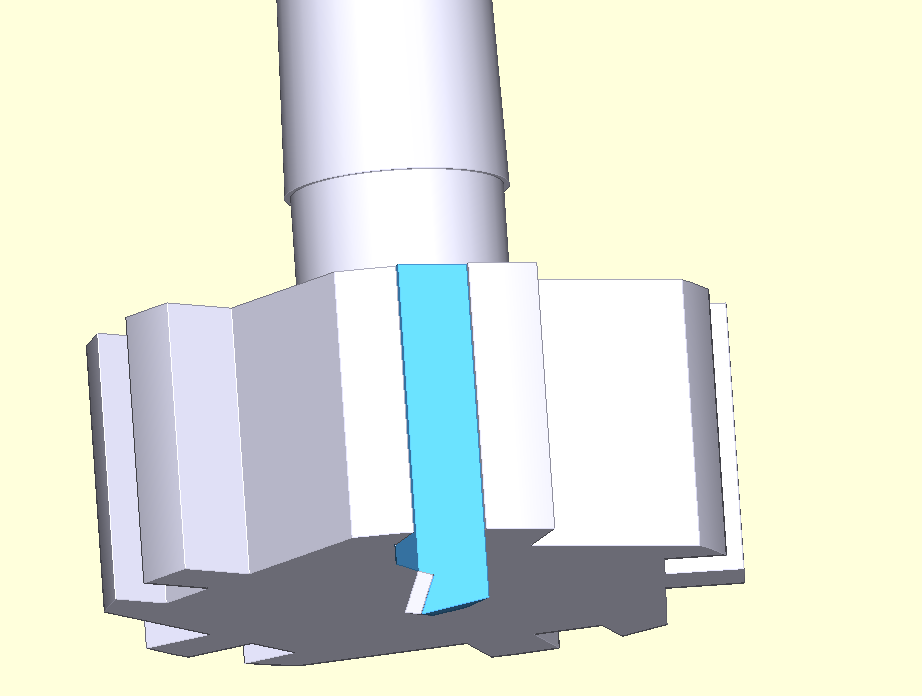
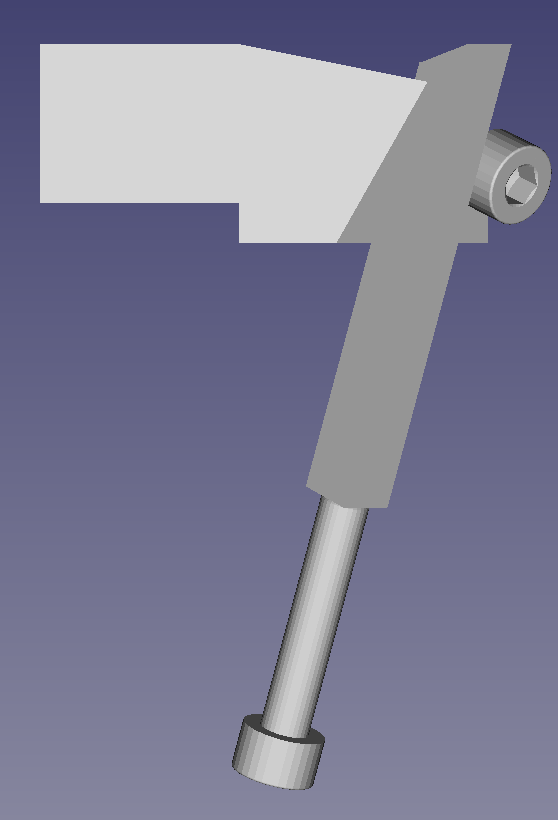
It is this concept I want to recreate as a basic cutting tool holder specifically for the Mill.
My base machine is a modest Little Machine Shop High Torque 3960 Mini Mill which is a custom SEIG X2 mini mill.
It has a solid, rigid Column.
I have in my past in our lab used the expensive Lathes and Mills. Since Retiring I now own a Mini Lathe LMS 3560 and a LMS 3960 Mini Mill.
So I live on a fixed income, where cost is a real concern.
I want to avoid Carbide Tooling that initially is cheap but you have to repeatedly purchase new inserts, Like the proverbial Gillette Razor the company makes the real money on selling the replacement blades.
A standard 1/4 inch HSS tool bit costs a nominal $7 for a piece 2.5 inch long. This will last a long time if used in the Tangential cutting mode such as the Diamond Tool Holder.
With your assistance my hope is we can bring a similar tool to the Milling side of the house.
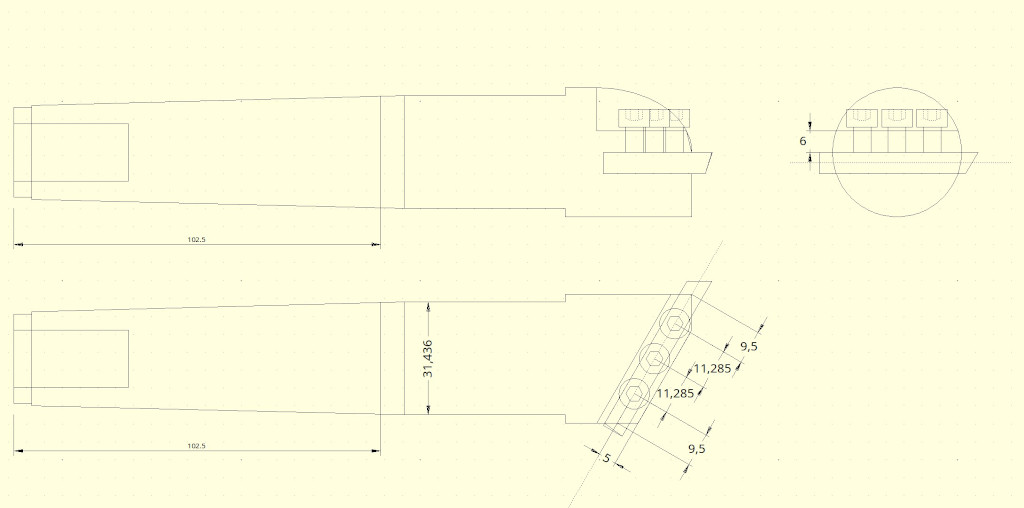
What I require is someone who has access to CAD and is willing to lend his assistance to craft a set of drawings from which the concept can become a real possibility.
Thanks for your understanding and patience with an old man and his dreams.

 LinkBack URL
 About LinkBacks





 Reply With Quote




Bookmarks