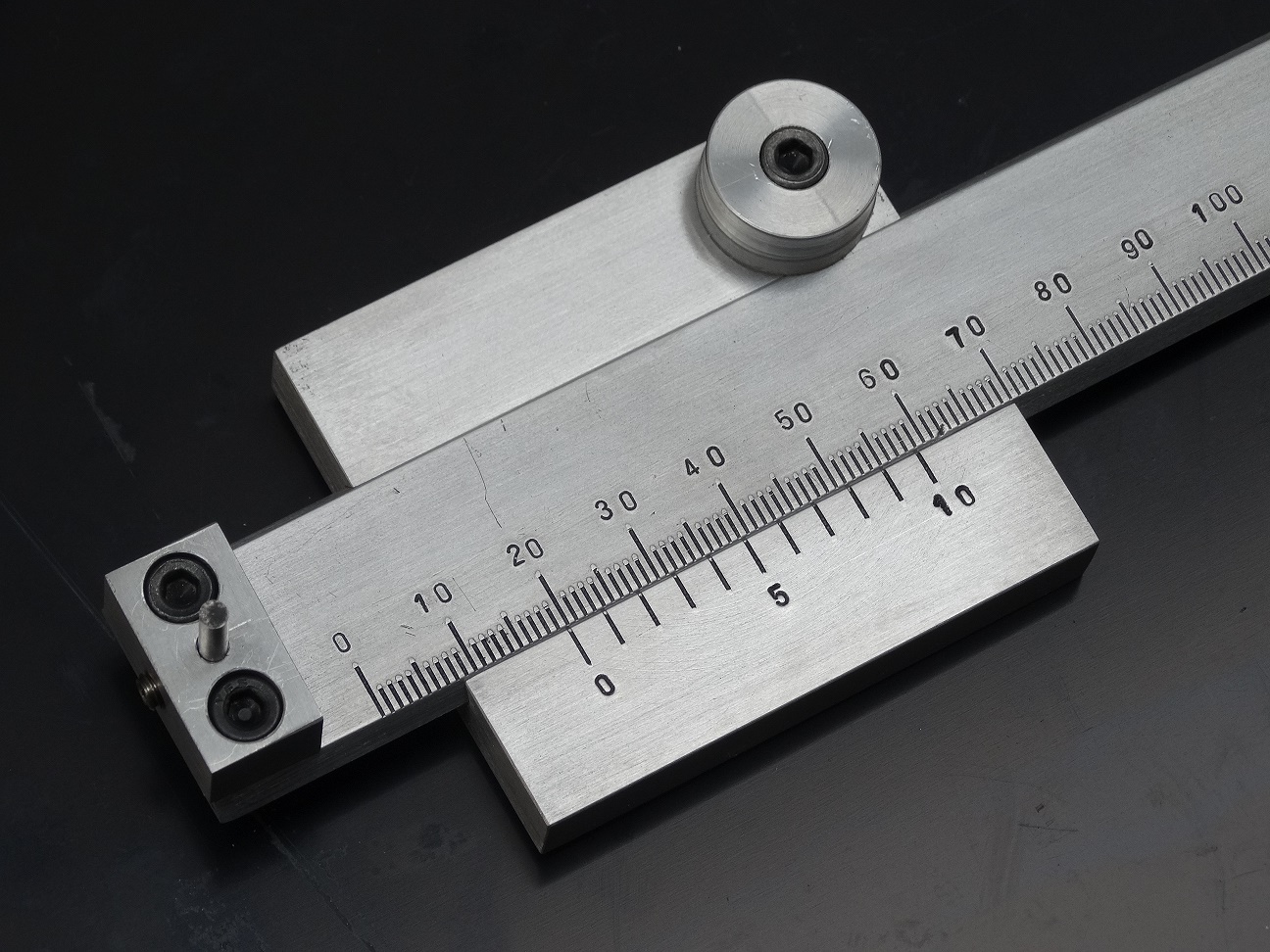
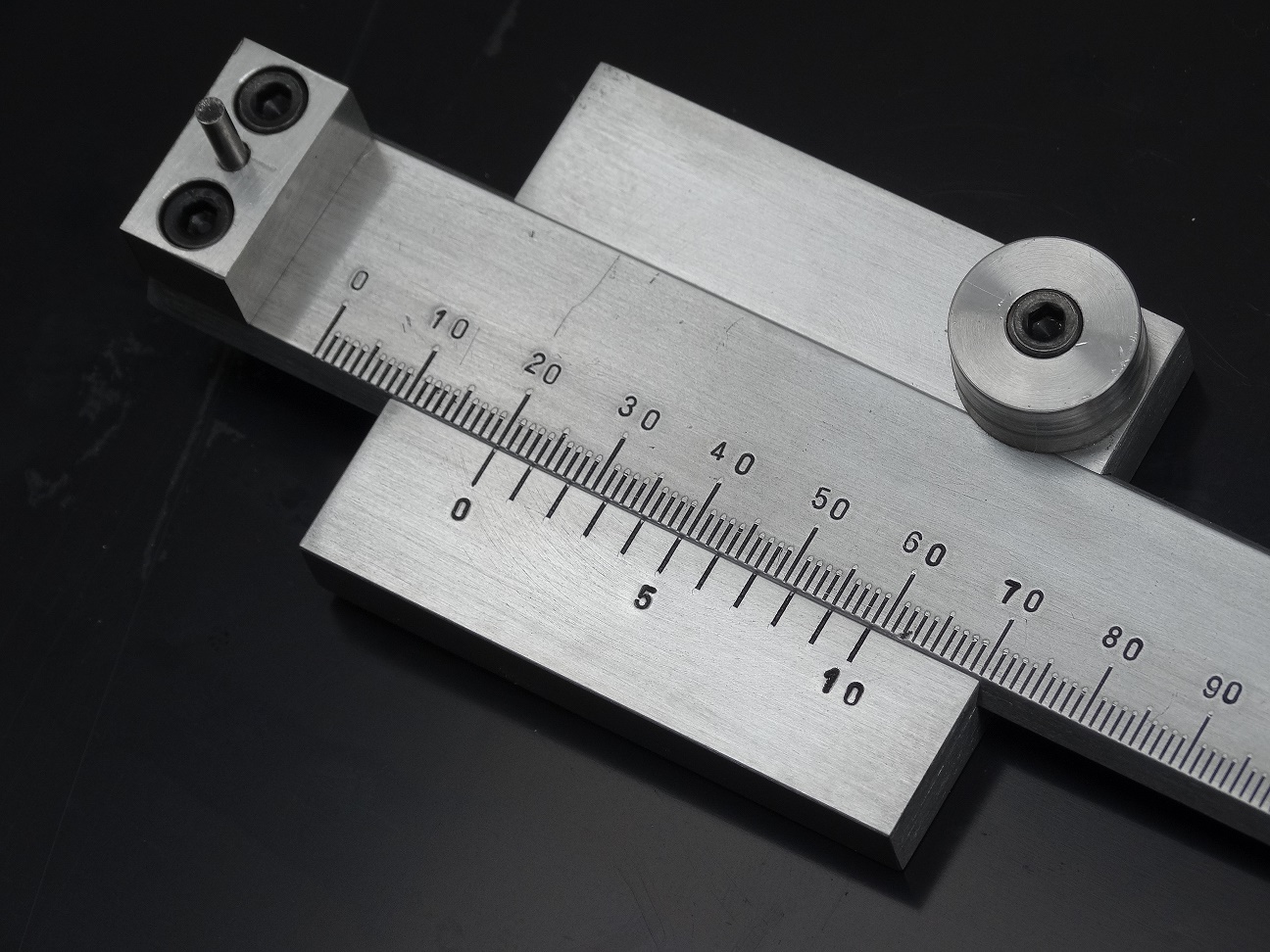
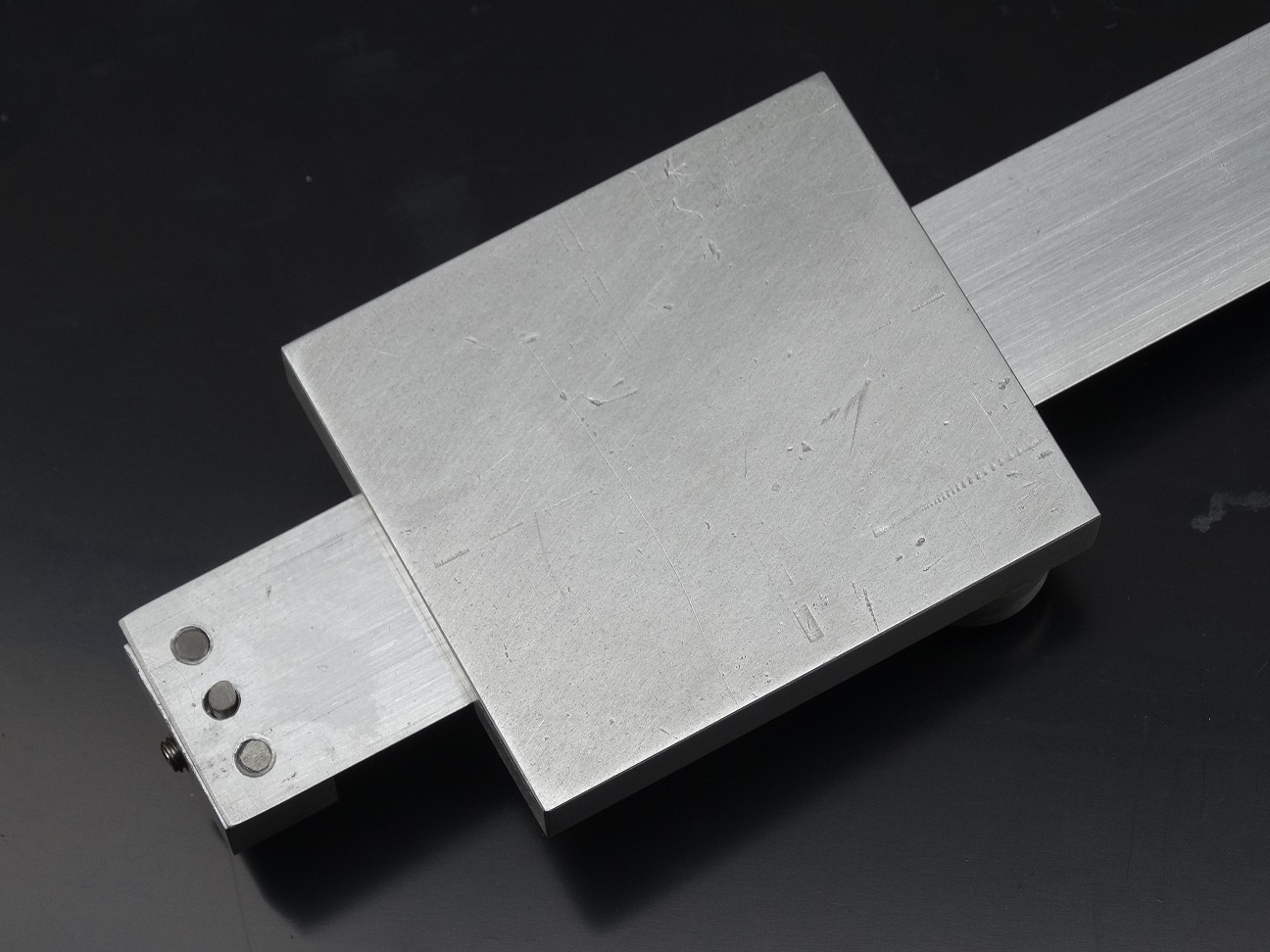
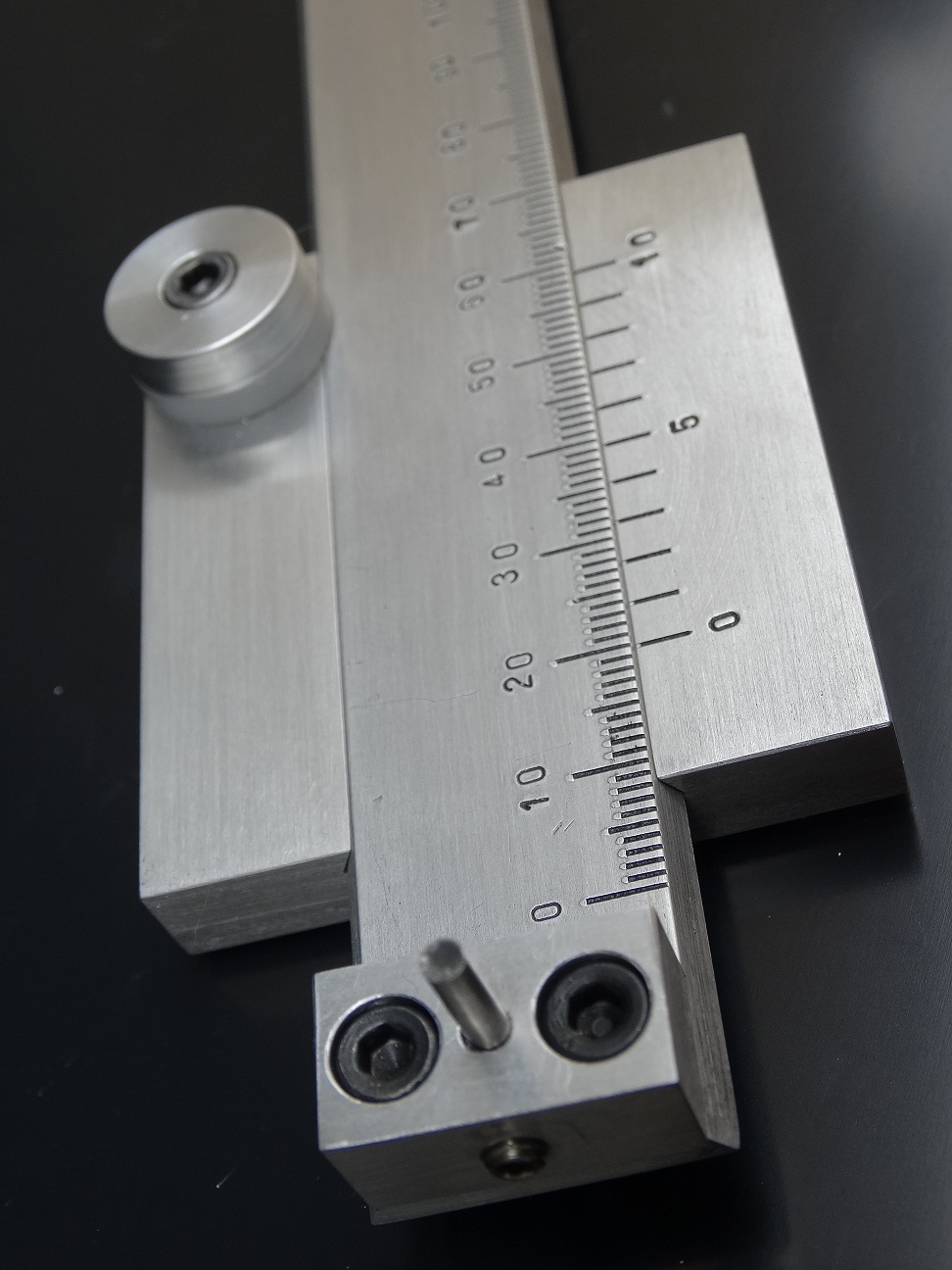
https://www.youtube.com/watch?v=UHfVJb3RfIU

Printable View
<!-- BEGIN /var/www/html/homemadetools/protected/modules/zeus/views/tool/postUpdate.php -->
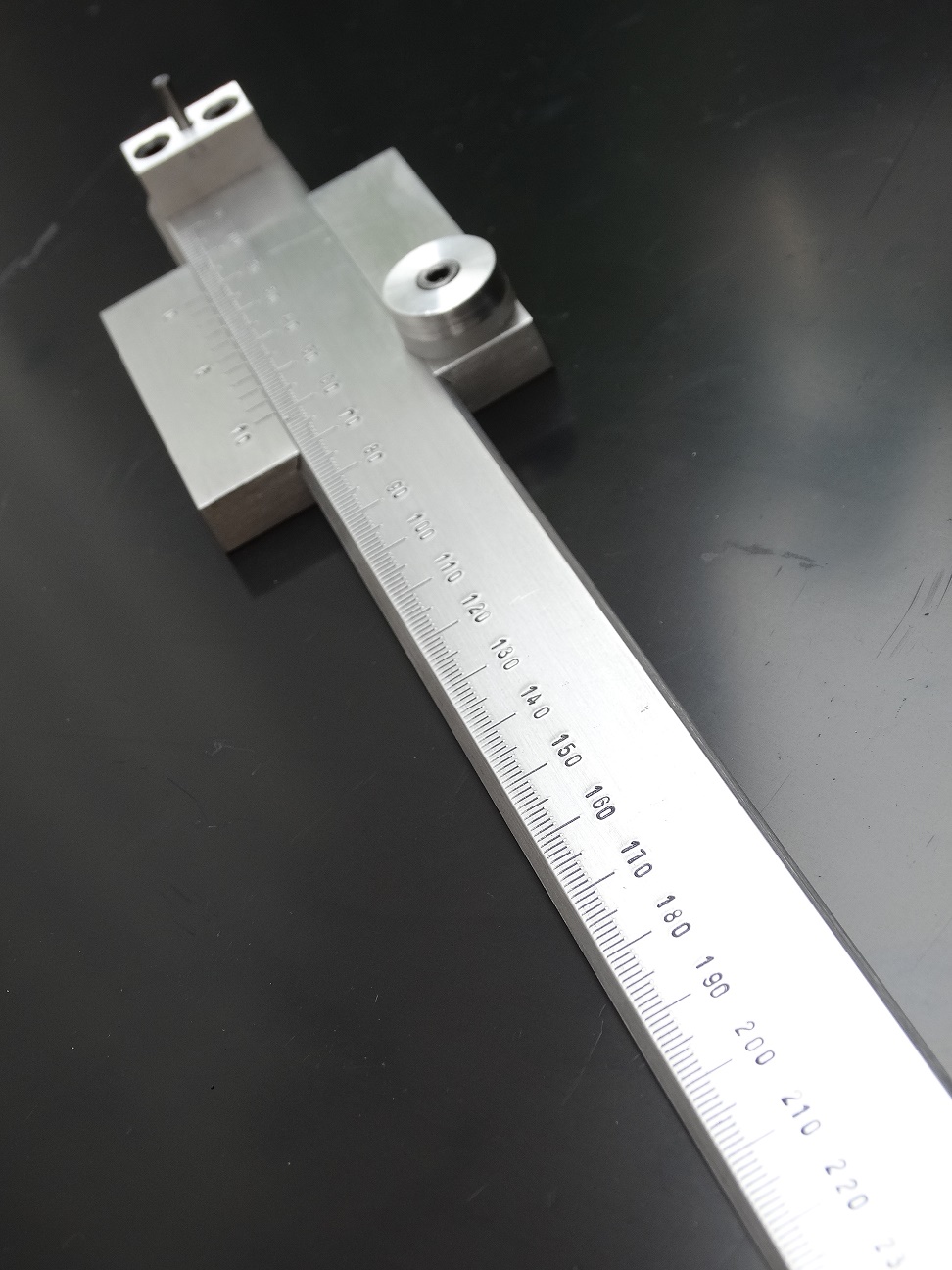
Thanks machining 4 all! We've added your Caliper and Marking Gauge to our Measuring and Marking category,
as well as to your builder page: machining 4 all's Homemade Tools. Your receipt:
<div id="blocks"> <div class="block b1 pngfix"> <div class="bimg"> <div> <a href="https://www.homemadetools.net/homemade-caliper-and-marking-gauge"> <img src="/uploads/238028/homemade-caliper-and-marking-gauge.jpeg"/> </a> </div> </div> <div class="head pngfix"></div> <div class="left pngfix"></div> <div class="right pngfix"></div> <div class="blockover b1 pngfix"> <div class="title"> <a href="https://www.homemadetools.net/homemade-caliper-and-marking-gauge">Caliper and Marking Gauge</a> <span> by <a href="https://www.homemadetools.net/builder/machining+4+all">machining 4 all</a></span> </div> <div class="tags">tags: <a href='https://www.homemadetools.net/tag/marking'>marking</a>, <a href='https://www.homemadetools.net/tag/gauge'>gauge</a>, <a href='https://www.homemadetools.net/tag/caliper'>caliper</a> </div> </div> </div> </div>
<!-- END /var/www/html/homemadetools/protected/modules/zeus/views/tool/postUpdate.php -->
Very nice!
I would like to know more about how you made the graduations and you calculations for the vernier scale.
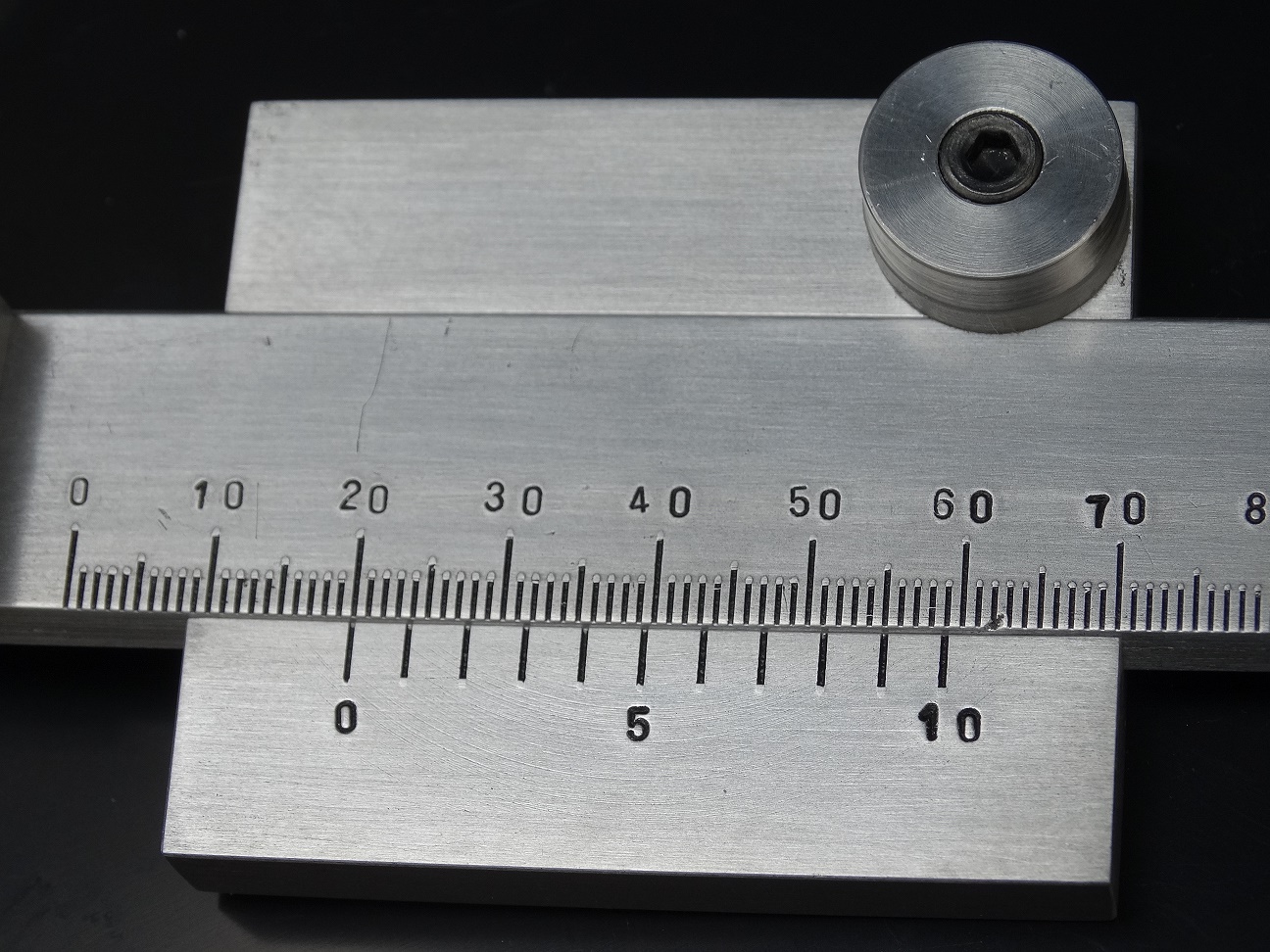
It was very simple, they must coincide:
- Zero of the vernier with zero of the fixed scale;
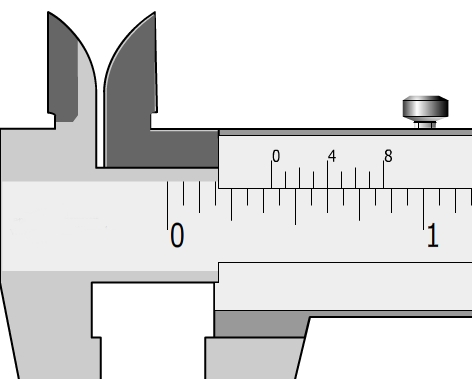
- Tenth division of the vernier with 39 mm of the fixed scale (equal to the caliper). Thus, each division of the vernier is worth 3.9 mm. I don't know if I explained your question but that's it ...
I think he's asking the same question I have. How did you acquire that main bar with nice accurate graduations? Donor tool? Likewise for the vernier scale. And, if you made the vernier, I think he's asking how you worked out the spacing. Though I've never made one, there are a references online and in books that explain how to make a vernier scale.
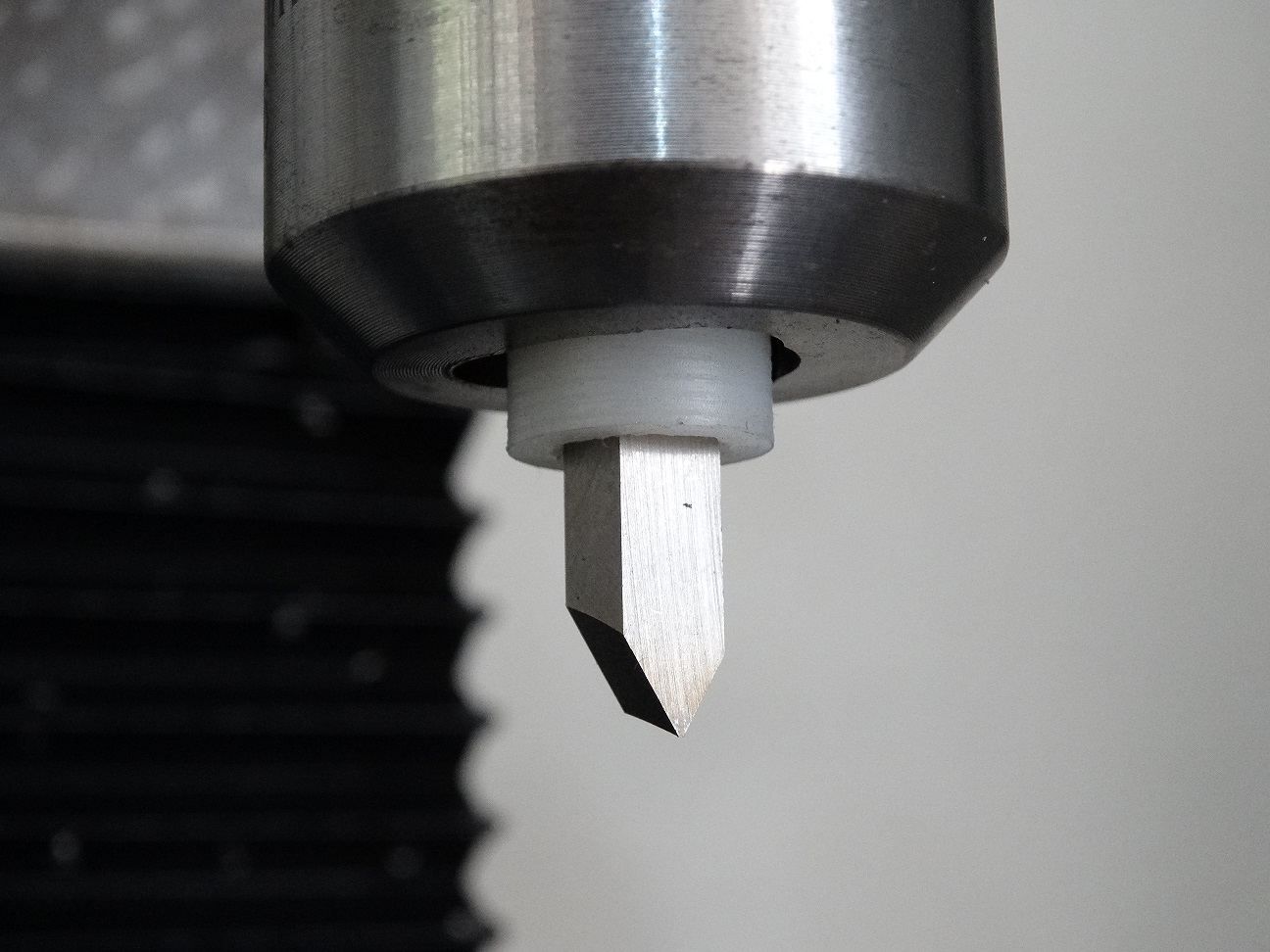
There's no secret! I made the graduations using a tool (see photo) attached to the chuck of the milling machine. The divisions were made with the aid of the graduated ring and a dial indicator. That simple!
Attachment 37319
The vernier was even easier to do. I observed what the divisions of a common caliper look like and made it the same way. The distance between divisions of the vernier is 3.9 mm (because the zero of the fixed scale coincides with the zero of the sliding scale and the tenth division of the sliding scale coincides with 39 mm of the fixed scale), when the caliper is closed.
I didn't notice it before, but looking at the images enlarged, I can see the slight buildup at the top of the lines that informs on the method of creation. I think it actually makes a very nice effect. I've done graduations the same way (nothing like yours, but just visual alignment references), but my ability to provide nice looking stamped letters/numbers like yours is far short of the task. Great work!
For scales divided into sensible decimal values, designing a vernier isn't very difficult.
Decide the smallest interval on the main scale you wish to further subdivide using the vernier. As an example we'll use the vernier designed in the OP so this value is 1 mm.
Decide the approximate length you wish the vernier to span; this value affects how easily it can be read. In the OP the approximate length of the vernier scale is 40 mm.
Subtract the first value from the second... 40 - 1 = 39 mm
Divide that length into ten units. Thus each interval on the vernier is 39 / 10 = 3.9 mm. Examination of the photographs in the OP shows this to be correct.
A further example... If the vernier were chosen to span a more conventional 10 mm then 10 - 1 = 9 and the vernier would have ten divisions, each 0.9 mm long for a span of 9 mm, or about a centimeter (0.4") which might be hard for old guys with less than perfect vision to read.
If your ruler is one of those wacky inferial ones graduated in fractions, the same approach I outlined above can be used, though the ensuing confusion it will provoke is another kick in the a.. to adopt metric.
There is a free program, LVERN, on my page for designing linear verniers but it's not one of my best efforts. It's mathematically correct but the user interface isn't something of which I'm proud.
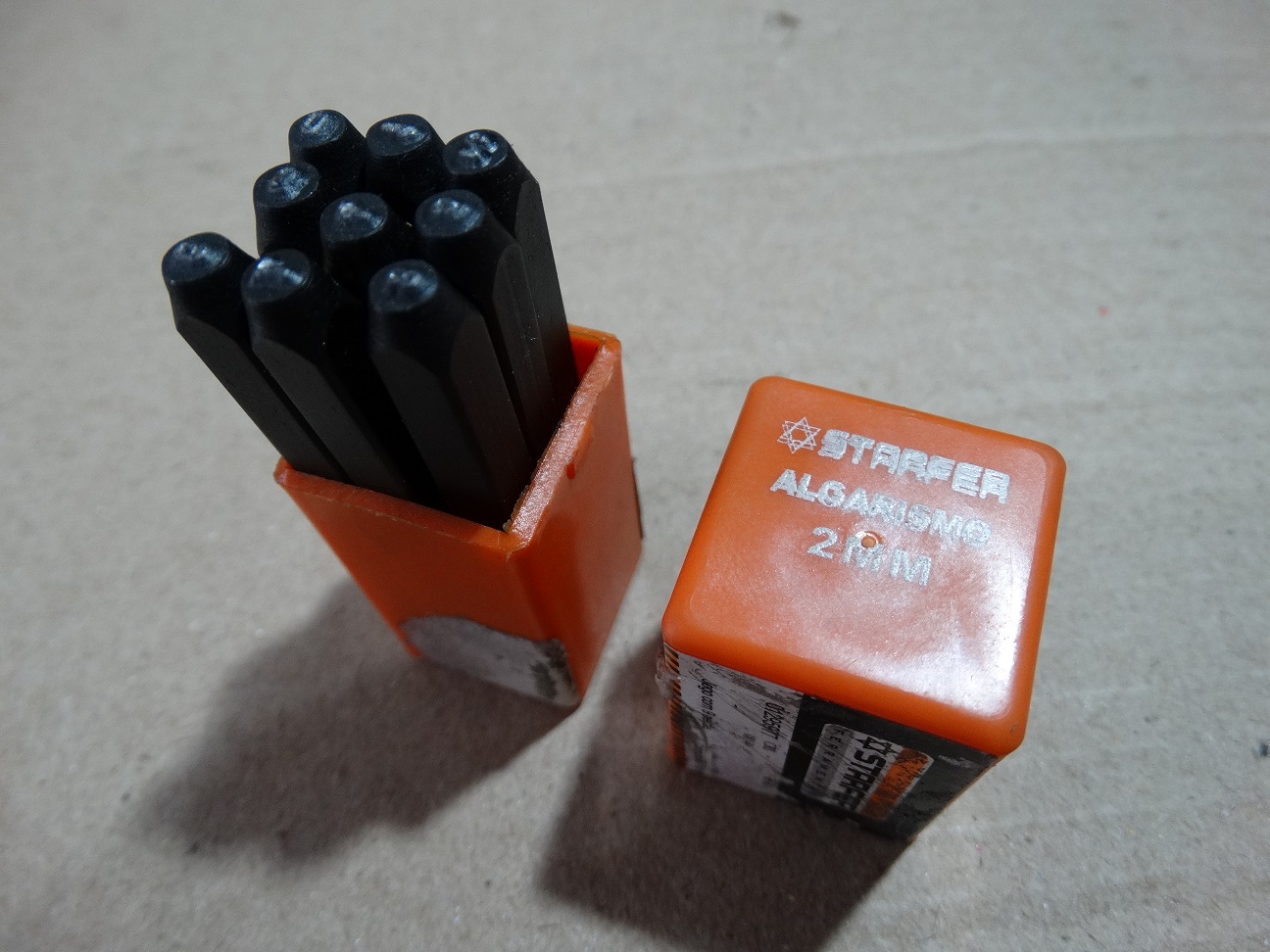
Baddog, the printed numbers are also very easy to make. I used the set of markers (see photo), painted with black automotive paint and then sanded (220 mesh). Just that, nothing more...
Attachment 37320
Thanks for the comment mklotz! The vernier for the metric system is very simple to make, but the vernier for the English system is a little more laborious. When I have time, I will make the fractional inch markings too!
As everyone knows, for the English fractional system, the following divisions can be used: a dash on the fixed scale = 1.5875 mm (1/16 ") and a dash on the vernier = 0.1984 mm (1/128") . In this case it is already more complicated to get exactly four decimal places on my machine. For now I prefer to work with the metric system ... As the markings are very close in the English system, the fixed scale and the vernier are not so readable. If you can make fine graduations you can improve the visualization a little ...
Personally, I think a vernier on an inferial scale would be the height of idiocy. The average high school graduate can't add 1/2 and 5/8 mentally; how is he going to handle 7/16 + 9/128?
If one insists on using inferial, get a metric vernier and a cheap calculator with which to convert the readings.
For people who are not used to it, more time is really needed to take the readings in the English system. In my case, the English system is useful for selecting approximate drill bits for drilling before tapping. In fact, inch drills are usually cheaper than millimeter drills. But I don't see many problems, it would just be a matter of getting used to it ...
It is a pity that people have lost some old habits. When I was at school I loved math, I loved operations with fractions (minimum common multiple). After I got older, I started to like derivatives and integrals ...
Today young people are slaves to cell phones ... If the cell phone goes bad, the day is unproductive. The hobbyists are on the way to extinction ...
An example of designing an inferial vernier...
Say each inch on the main scale is divided into eighths.
You want each increment on the vernier to represent 1/32
Since one division on the main scale represents 1/8 = 4/32, the vernier scale will need to have four divisions.
Say you want the vernier scale to span 1 - 1/8 = 7/8 inch. Then each division on the vernier will need to be
(7/8) / 4 = 7/32 inch
and a typical measurement would go something like this...
7 little spaces on the big scale (7/8) plus 3 on the vernier (3/32) = (28 + 3) /32 = 31/32.
Can you imagine the average innumerate shop worker getting that right?
I perform the fractional inch readings using a formula, which would look something like this:
(number of divisions before the zero of the vernier x 8) + division that coincided with the vernier. Then I assume a denominator equal to 128 and simplify the fraction found (when it is possible to simplify). Example (see photo):
Attachment 37321
Answer:
[(6 x 8) + 4] / 128 = 52/128 "= 13/32"
This method is certainly known to everyone, but it is not instantaneous like reading in millimeters.
Very nicely done. I've got a set of stamps, but while my efforts have been sufficient to my needs, they aren't nearly as nice and consistent as yours. Much respect...
I've got a imperial vernier caliper like machining 4 all shows above, and I use all the time. I absolutely love it. Probably the single most used measuring tool in my shop. I got it at HF for something like $10 or so many years ago. In fact, it's gotten a bit long in the tooth, and I haven't had luck finding one (not that I've looked that hard) to replace it. HF doesn't seem to have them any longer.
For most everything I do (primarily fabrication), metric is nothing but compounded frustration, particularly when it comes to fasteners. Yes, the unit conversion math is vastly better, but that's about it. And, if I need accuracy, I'm not concerned with fractions anyway. Nominal is never accurate anyway, and decimals work the same regardless of the unit system.
Thanks for the comments Baddog! In my opinion, the best system is the one that you are most used to using, whether metric or English. It is the same situation with tools, some prefer to manufacture them, others prefer to buy them. So, what is the best solution? It is certainly the one that solves your problems!
Well said.Quote:
Today young people are slaves to cell phones ... If the cell phone goes bad, the day is unproductive. The hobbyists are on the way to extinction ...
"If your ruler is one of those wacky inferial ones graduated in fractions, the same approach I outlined above can be used, though the ensuing confusion it will provoke is another kick in the a.. to adopt metric." and the dance continues! :lol: You could have softened the blow by using 'decimal'.
Yes, this was a comment from mklotz... I hope he doesn't lose the title of "lord" for this comment!