Attachment 48102
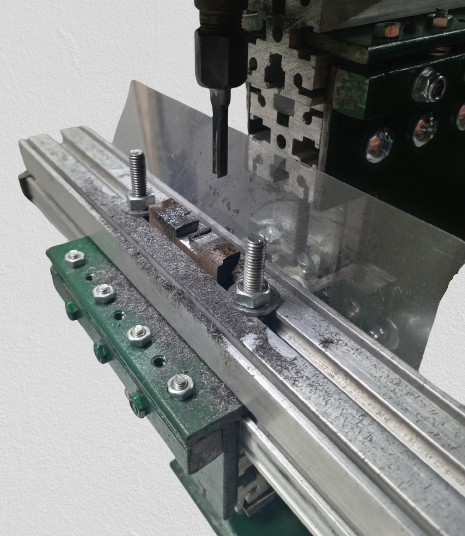
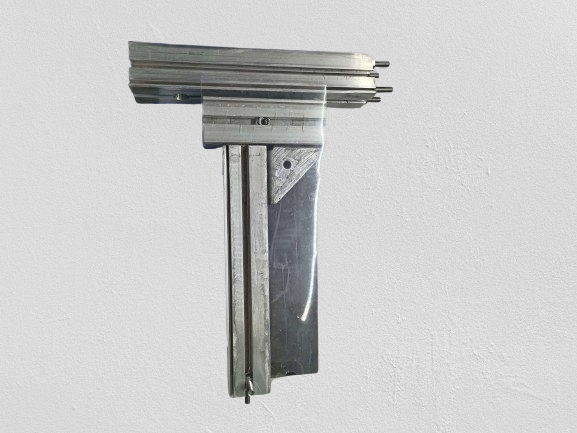
The sheet of clear plastic is a chip guard that slots into the table.
Attachment 48103Attachment 48104Attachment 48105
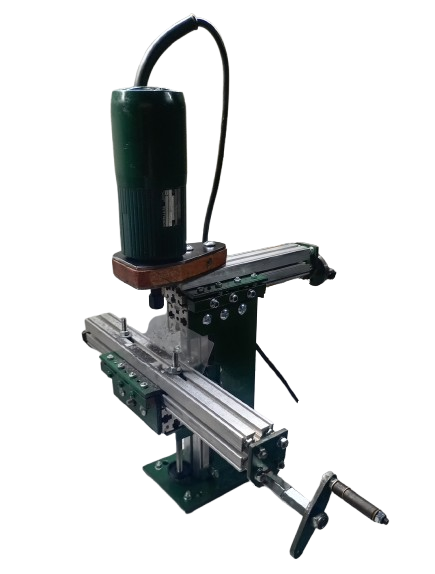
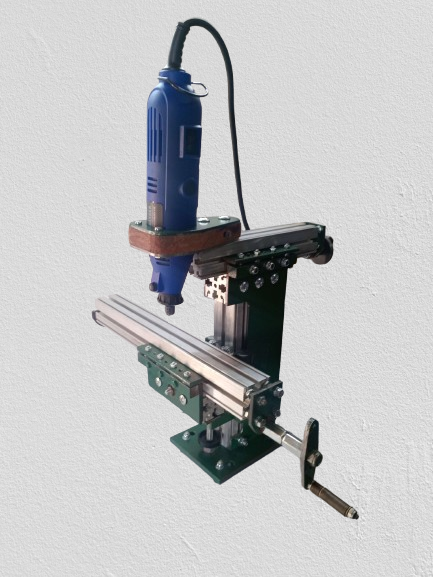
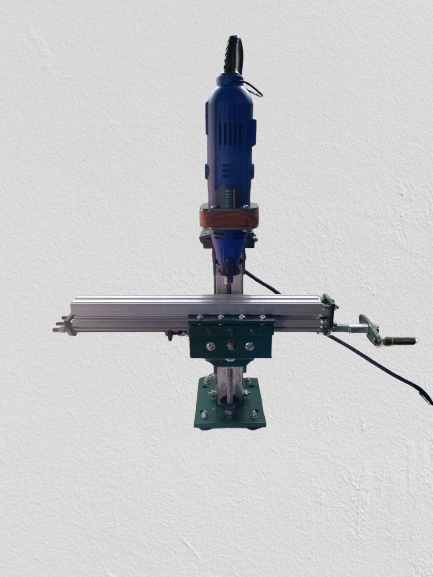
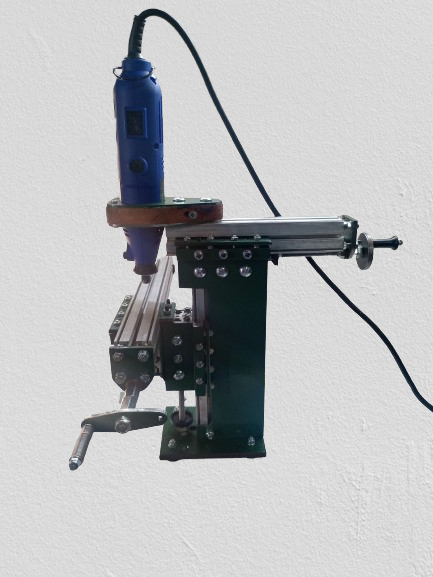
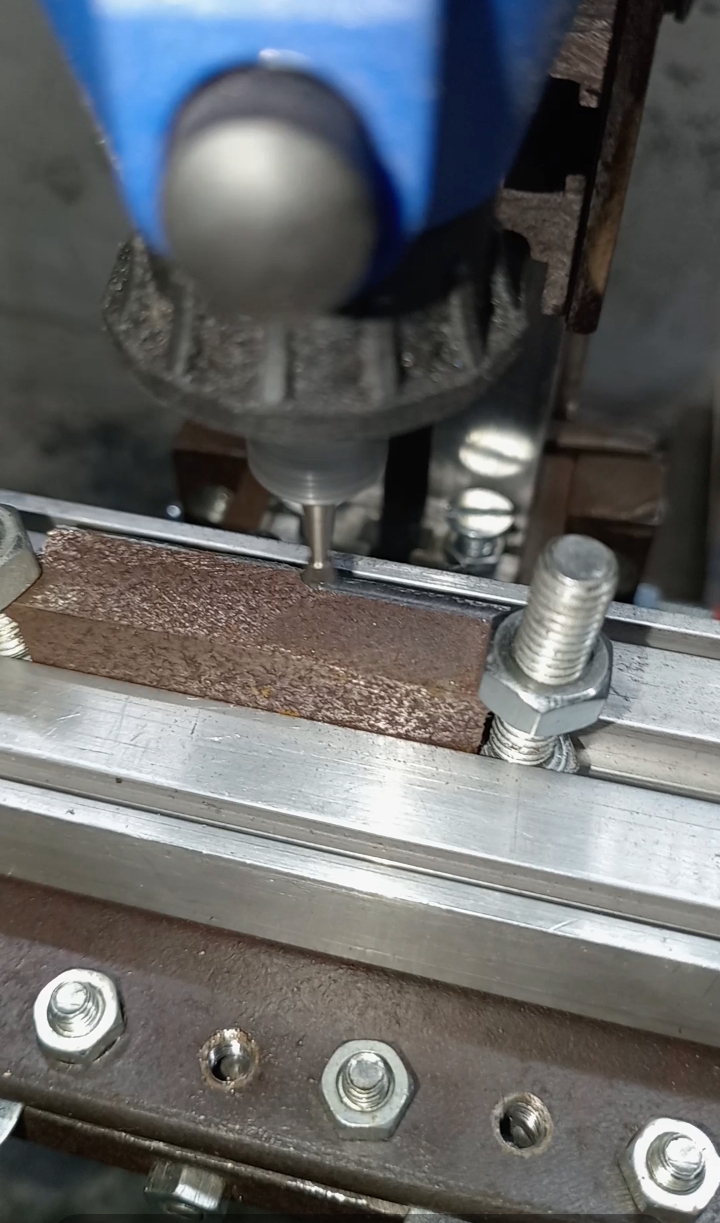
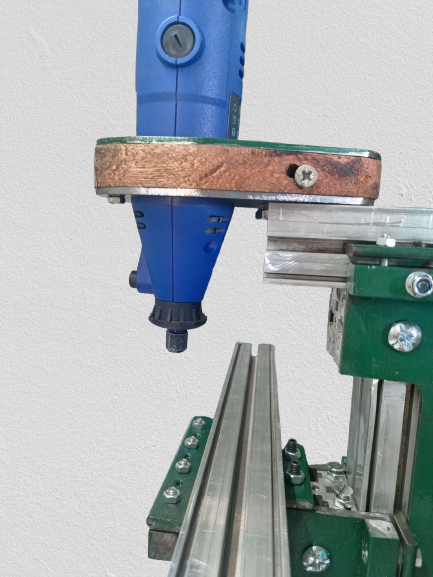
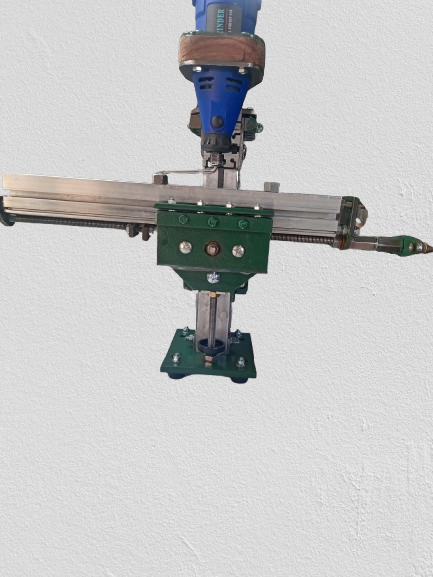
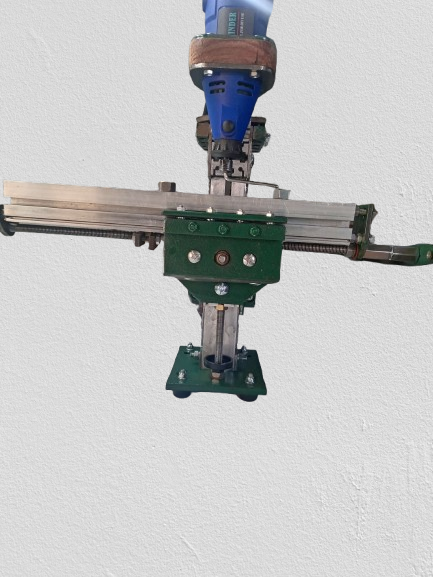
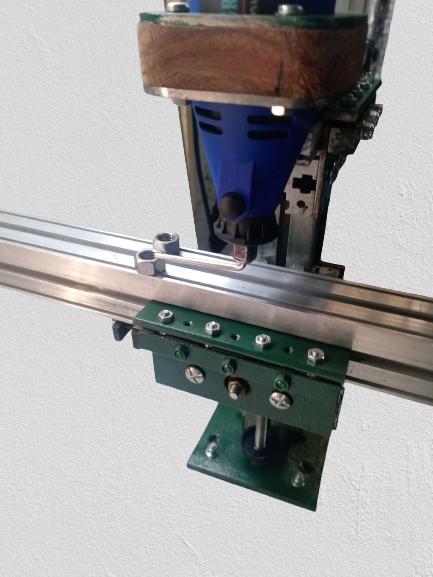
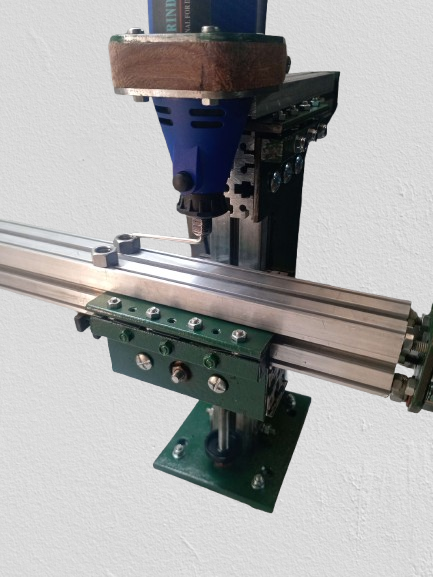
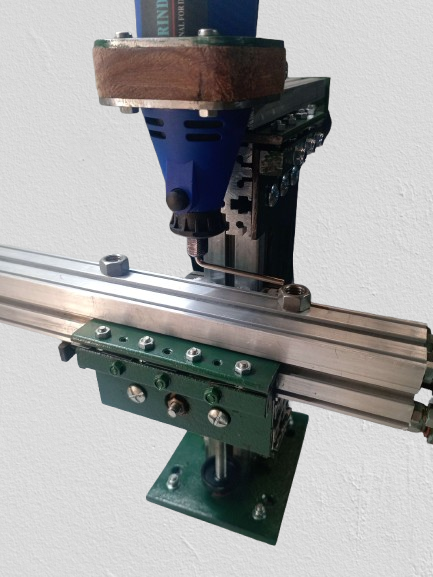
Three views with Rotary Tool Spindle fitted
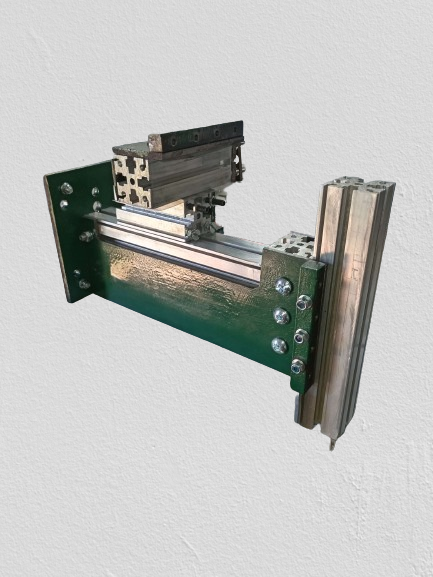
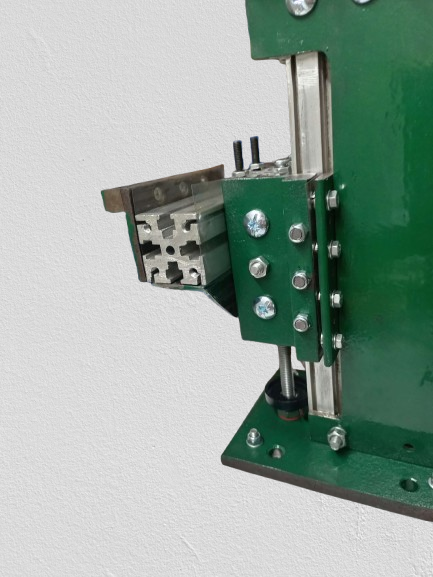
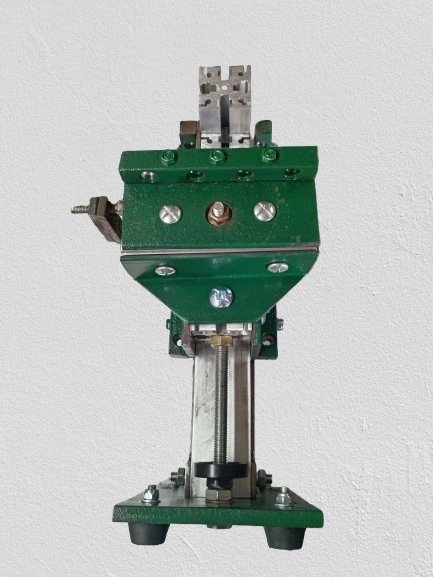
The Z axis is a bolt and brass nut combo. The knee is drilled about 80% through to accommodate the screw.
Attachment 48106Attachment 48107Attachment 48108
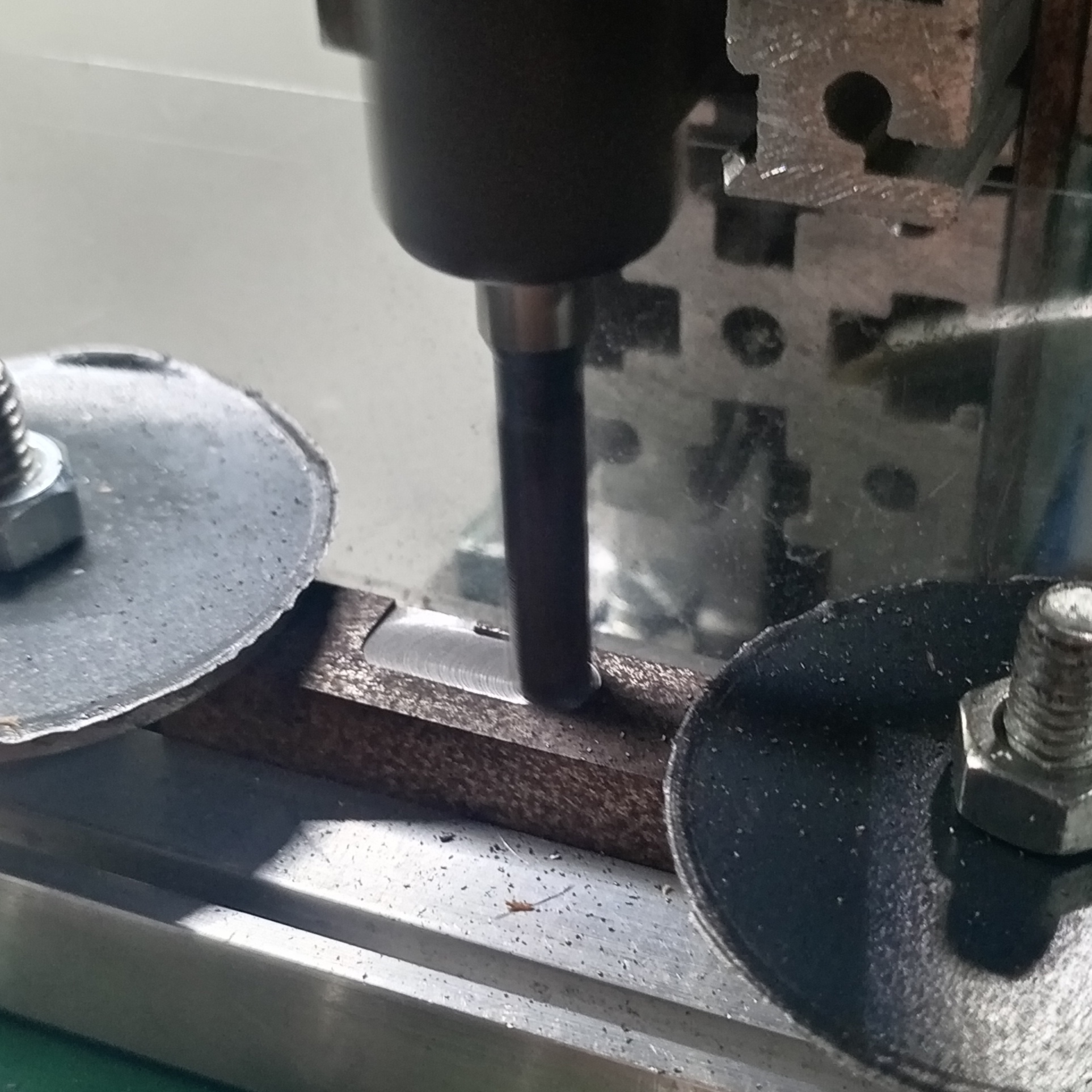
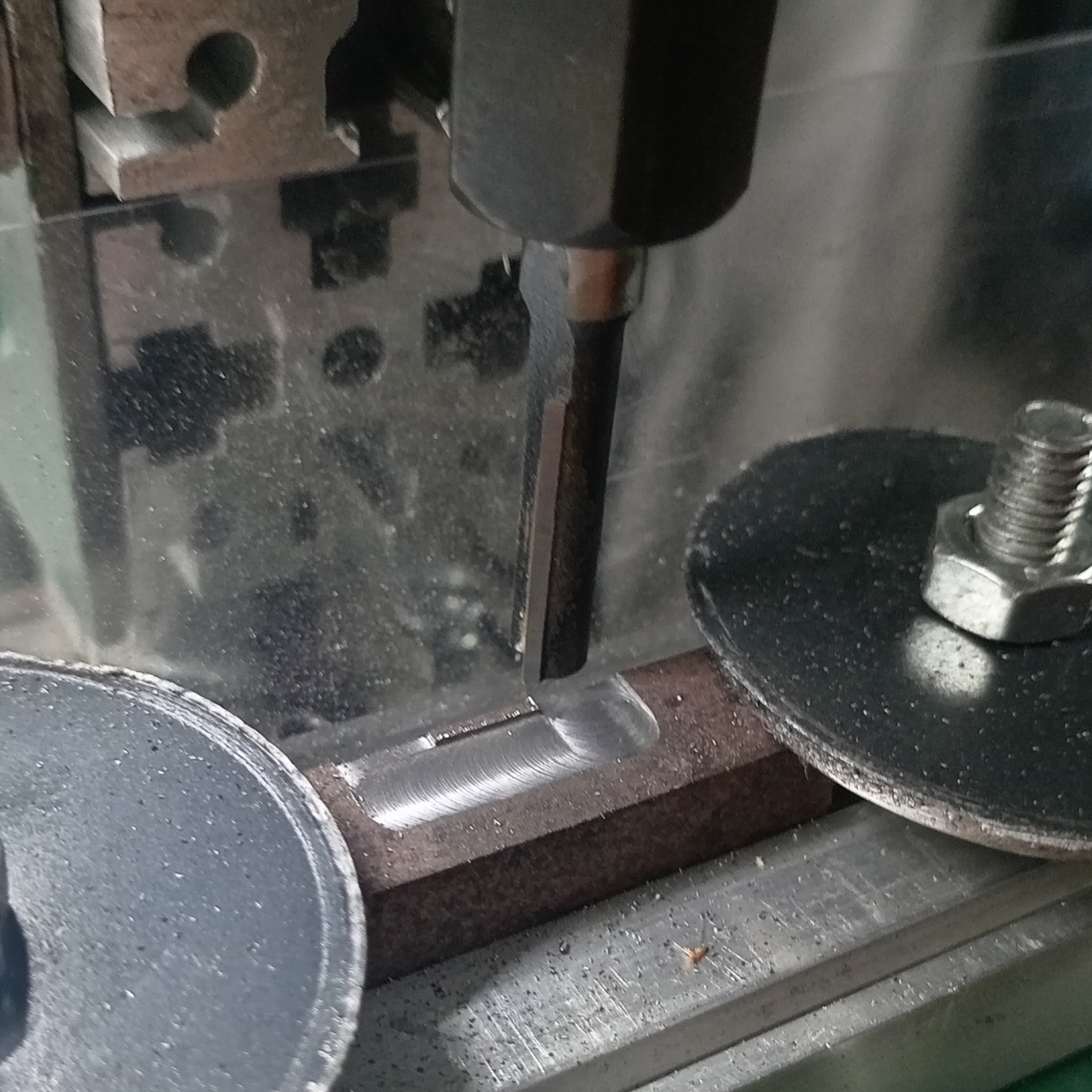
Close Up Milling Action.
Tested climb milling, plunging and slot milling without any drama. One notable issue is the lack of machine dampening, although rigid with little to no chatter. from what I can tell, at higher spindle speeds vibrations tend to wiggle things loose.
Attachment 48109Attachment 48110Attachment 48111
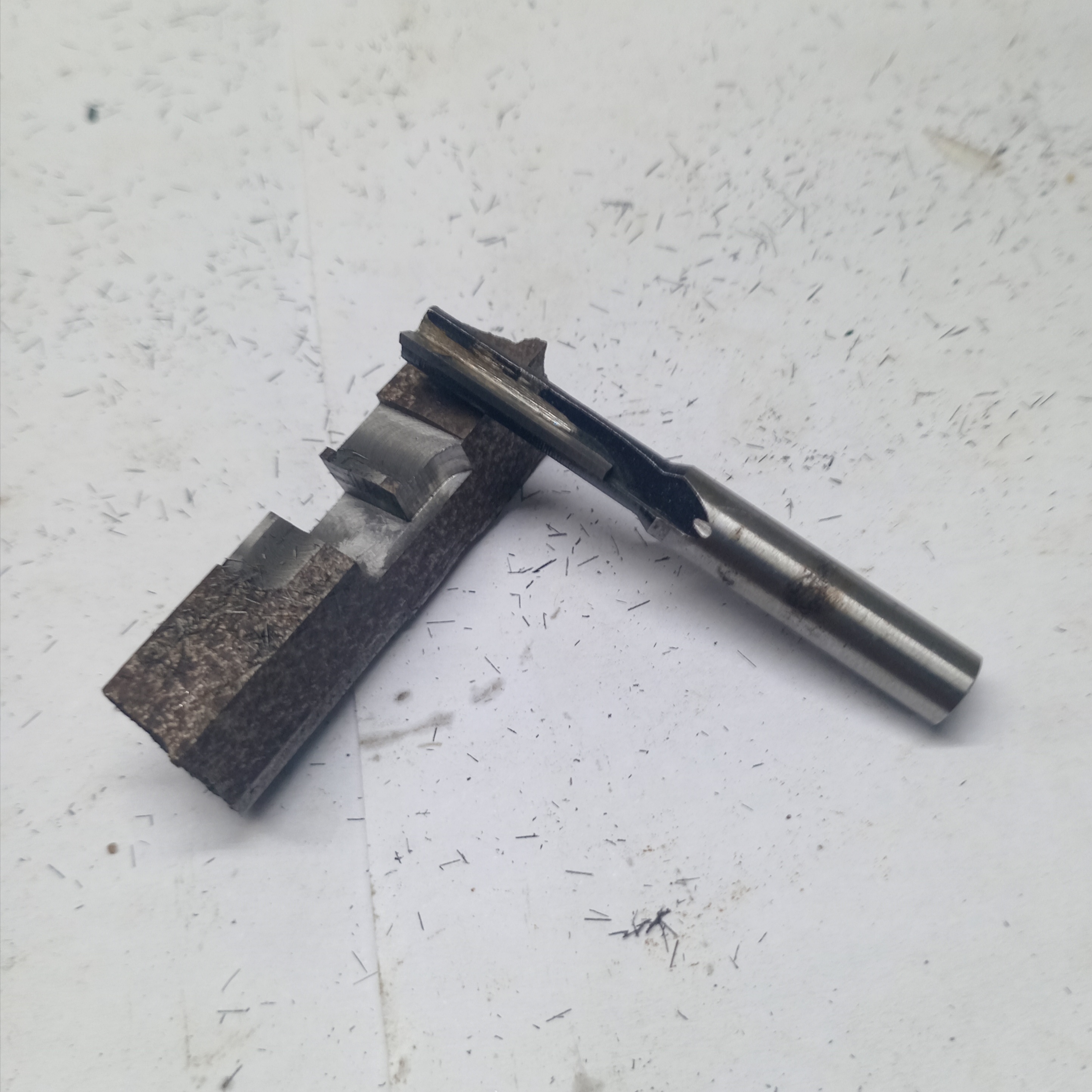
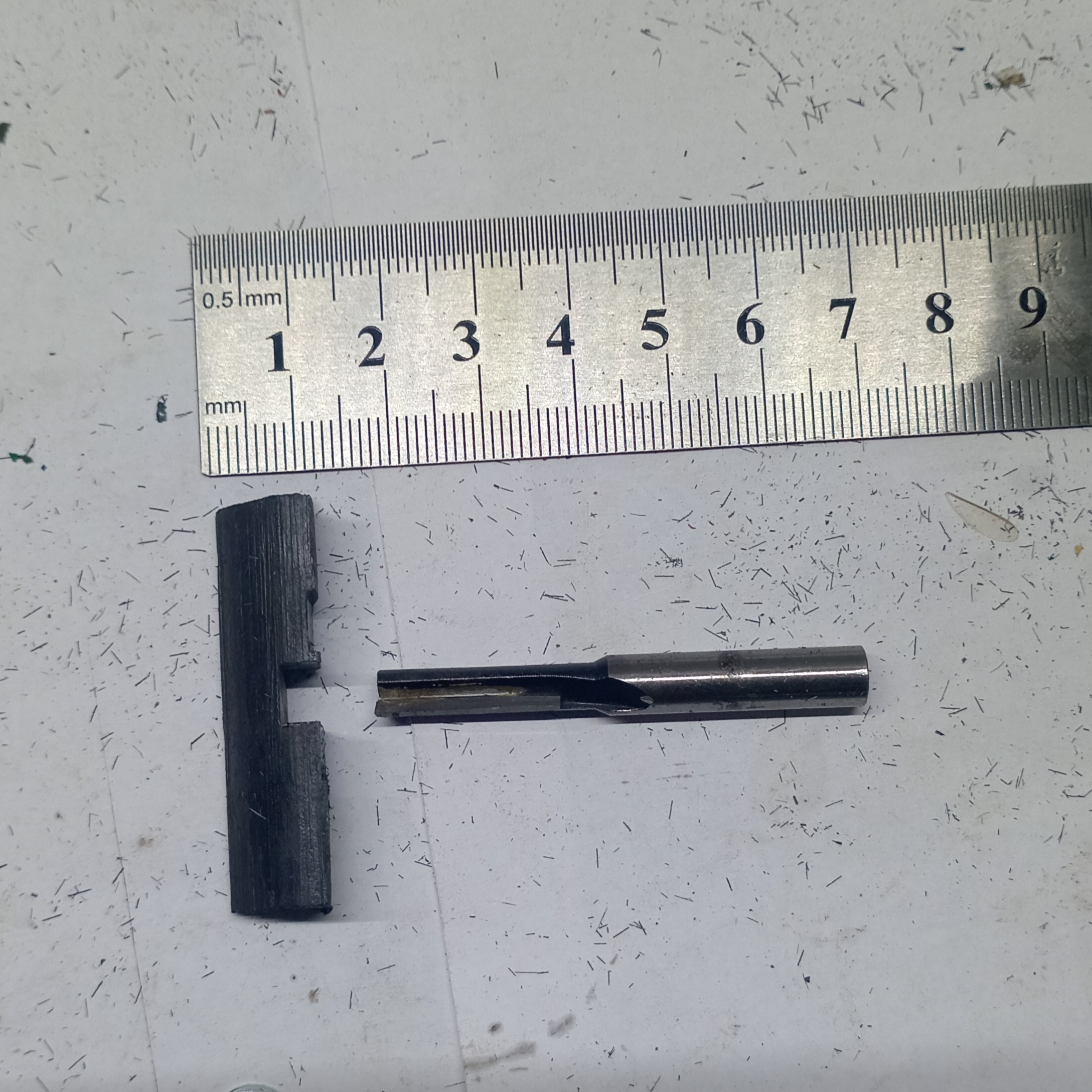
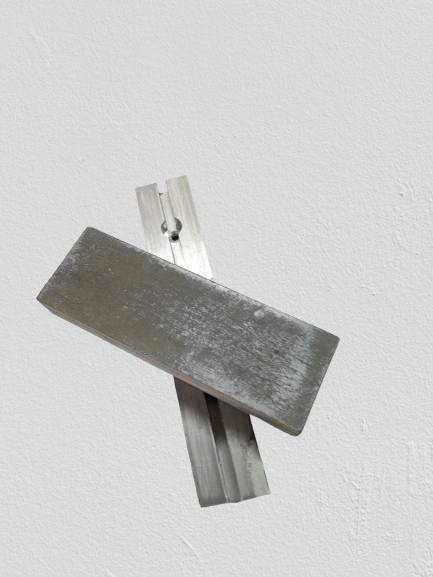
6 MM 2 Flute Carbide Cutter (Straight Flute) in cast iron plus micro milling with 3 MM HSS dovetail cutter
Cutting parameters: 0.4 - 4 MM depth of cut. 18000-25000 RPM @ 100-200 MM/MIN full cutter width
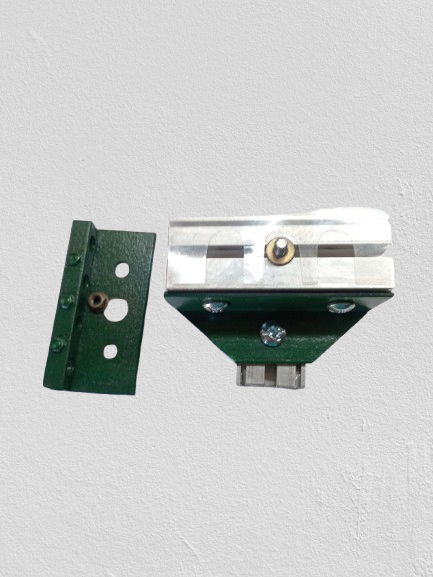
The threaded holes are for set screws and would be used to level the gibb and remove slop. The holes should have been drilled closer to the operator (offset from the through hole axis'). I had to use thick shims without set screws to achieve the desired results.
Attachment 48101Attachment 48112Attachment 48113Attachment 48114
Attachment 48115Attachment 48116Attachment 48117
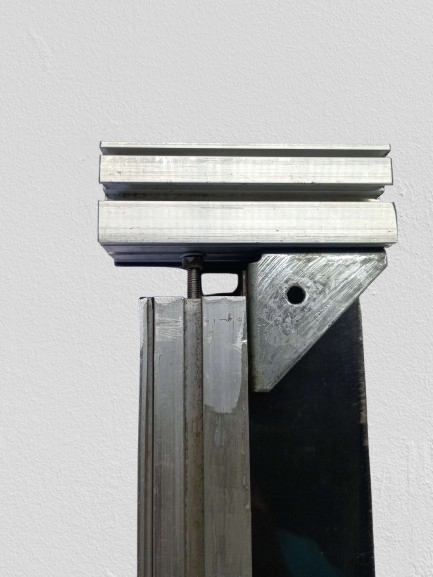
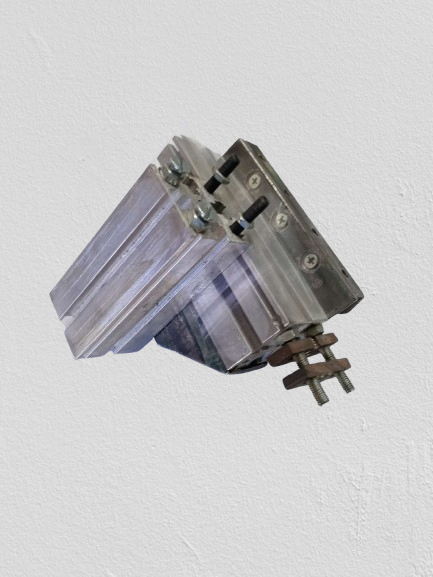
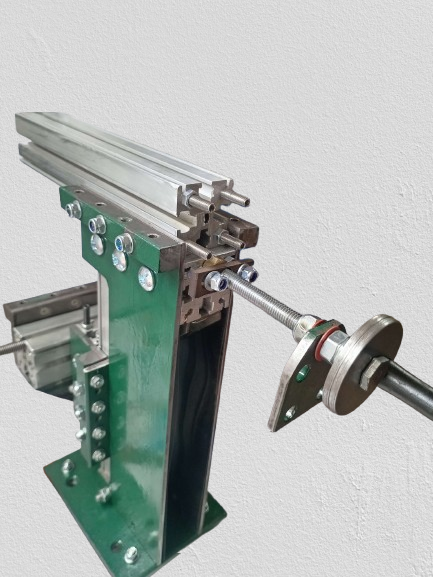
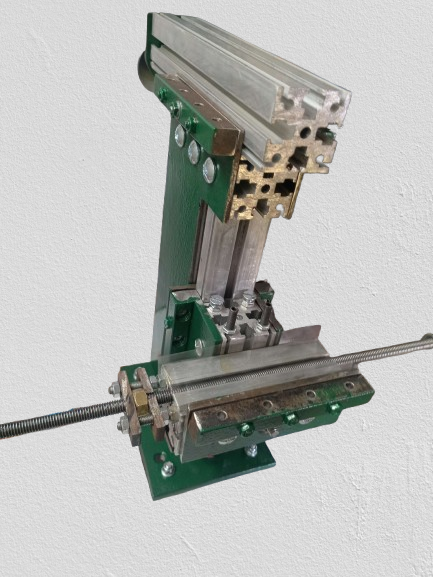
To avoid drilling into faces of the extrusion I opted to run an M5 rod through the centre and bolt the ram guide block and base plate together through the column. I tested the unit without this rod and it works just fine. Obviously the tool ends up less ridged but it didn't seem terrible.
Attachment 48118Attachment 48119Attachment 48120Attachment 48121
Attachment 48122Attachment 48123Attachment 48124
Metal-on-metal contact is avoided by using book biding cover plastic cut outs with slits cut in them to trap oil. These cut outs are sandwiched between sliding surfaces.
This same plastic is also used as shim stock when required. I'm sure its not the best all round material but it certainly does the trick and costs pennies a sheet at any stationary shop. I may also like to try gasket paper perhaps.
All faces of the aluminium extrusions were honed to remove burs and other surface defects.
Attachment 48125Attachment 48126Attachment 48127Attachment 48128Attachment 48129
Low-tech table alignment. A flex shaft spindle tommy bar is colleted and the long end swept over four points on the table. First the table is made perpendicular to the spindle at the front side. The table guide block has two bolts connected to the knee. the upper bolt is the pivot point and the lower to lock it. Both bolts are torqued when the the wiper gap is equal across both points. The ram is traversed back and the distances checked as pictured to ensure parallelism with the table (if not, the machine is reassembled with special care given to making the column and ram block meet at 90 degrees) the table 'level' is then checked a second time from the back.