Altair (Apr 22, 2022), carloski (Apr 23, 2022), emu roo (Oct 14, 2025), KustomsbyKent (Apr 22, 2022), mwmkravchenko (Apr 24, 2022), NortonDommi (Apr 22, 2022), nova_robotics (Apr 22, 2022), Philip Davies (Apr 24, 2022), sparky42 (Apr 22, 2022), Toolmaker51 (Apr 24, 2022)
Fantastic. There is a book that I would dearly love to have called 'Victorian Engineering' which goes in depth into the why, the how, the aesthetics and the underlying thought processes behind all these glamorous works of art that still endure today.
FFF was not only a design concept built into everything but things had to look and feel good as well. Human ergonomics became a big thing at this time too due to increasing mechanisation. People built structures and machinery to last as they were expensive. The concept of planned obsolescence was not yet conceived.
emu roo (Oct 14, 2025), Philip Davies (Apr 24, 2022), rlm98253 (Apr 23, 2022), Toolmaker51 (Apr 24, 2022)
New: BuildThreads.com - 300+ build posts/day (with photos)
emu roo (Oct 14, 2025), Philip Davies (Apr 24, 2022)
emu roo (Oct 14, 2025), Toolmaker51 (Apr 24, 2022)
emu roo (Oct 14, 2025)
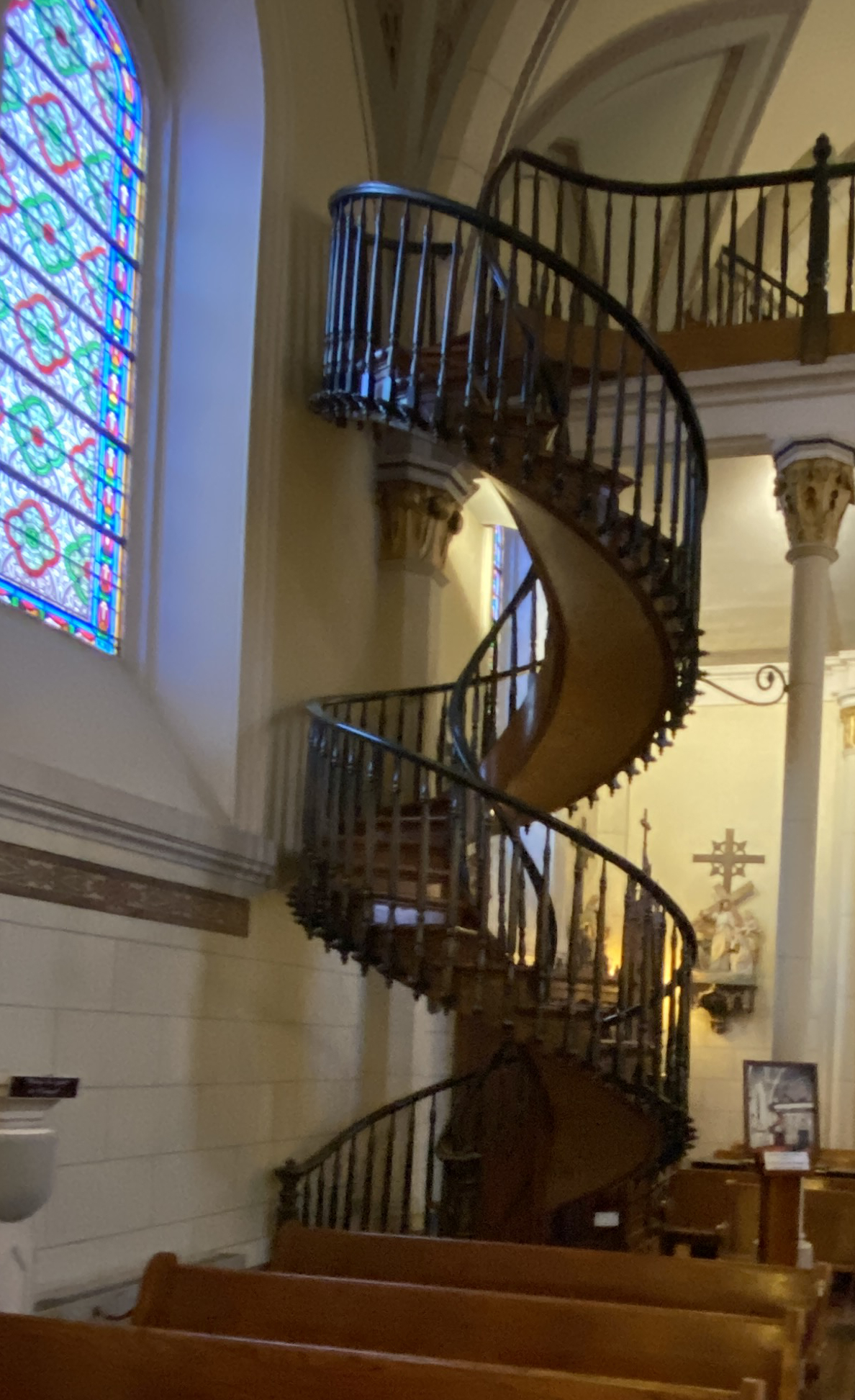
The stairway legend from Wikipedia:
History
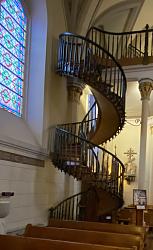
The staircase was built sometime between 1877 and 1881.[4] By this point, the chapel was substantially complete but still lacking access to the choir loft, possibly due to the unexpected death of the architect, Projectus Mouly, in 1879.[12]
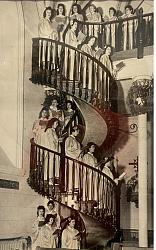
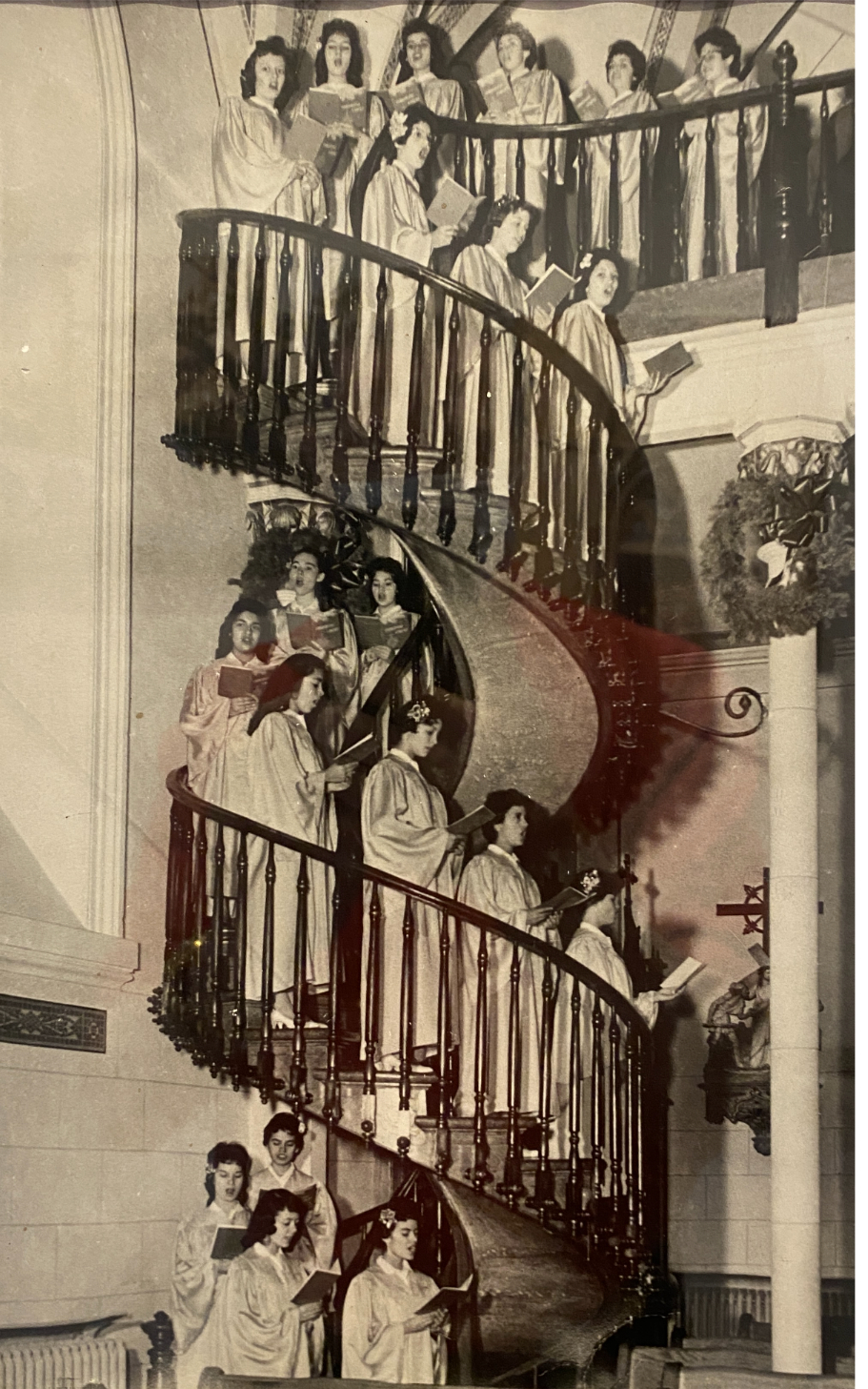
According to the version of events passed down by the Sisters of Loretto, multiple builders were consulted but were not able to find a workable solution due to the confined quarters. In response, the nuns prayed for nine straight days to Saint Joseph, the patron saint of carpenters. On the last day of the novena, a mysterious stranger appeared and offered to build the staircase. He worked alone using only a few simple hand tools and disappeared afterwards without collecting his pay or the Sisters learning his identity. More fantastical versions of the story have the work taking place overnight, while according to others, it took six to eight months.[7][9][13]
The finished staircase was an impressive work of carpentry, seeming to defy physics as it ascended 20 feet (6.1 m) without any obvious means of support. The Sisters of Loretto viewed its construction as a miracle and believed that the mysterious builder must have been Saint Joseph himself. As the story spread, the staircase became one of Santa Fe's most famous tourist attractions.[7]
The staircase as originally built lacked handrails and was reportedly so frightening to descend that some of the nuns and students did so on their hands and knees. Eventually, railings were added in 1887 by another craftsman, Phillip August Hesch. The stairs have been mostly closed to the public since the chapel became a privately run museum in the 1960s.
Philip Davies (Oct 19, 2025)
There are currently 1 users browsing this thread. (0 members and 1 guests)
Bookmarks