Free 186 More Best Homemade Tools eBook:  
New: 300+ fresh build posts/day from 275 forums → BuildThreads.com

User Tag List

Page 1 of 5 1 2 3 4 5 LastLast
Results 1 to 10 of 49

Thread: Repair guy

Hybrid View

  1. #1
    Supporting Member metric_taper's Avatar
    Join Date
    Mar 2017
    Location
    Marion, Iowa
    Posts
    760
    Thanks
    281
    Thanked 410 Times in 266 Posts

    metric_taper's Tools

    Repair headstock spindle morse taper sleeve adapter

    Current project is to fix a Grizzly G3621 (16X40) headstock spindle taper. All the documentation says it is a #6 Morse taper, but with a 80mm (3.125) through hole, it's bigger then 6MT (it is also bigger then 7MT). So I now believe it is a 90mm gage line, metric taper 1:20 ratio (would like to know where tooling for this can be found, but $ for custom, drives me to make my own). The sleeve that came with the lathe that adapts a 4MT center to this spindle taper, is sloppy where the taper bottoms out, and leaves the end protruding from the spindle with .0045 runout. I can rock it back and forth with a brass hammer, but this is unacceptable.
    So I need to see if the sleeve is wrong, or the spindle.
    I'm looking for tooling ideas to both measure this, and do the correct repair. I assume the sleeve and spindle are hardened.
    I ran into this sight from the plans for a "Zero it" indicator holder. I purchased one from Shars, which is absolute junk, as there is .9mm of slop in the sliding zero set parallel rods to holder hole size. No way this can hold any tolerance to center or tram the spindle.
    Last edited by metric_taper; Mar 29, 2017 at 12:57 PM. Reason: moved intro to profile, fix title (3-29-17)

  2. #2
    Jon
    Jon is offline Jon has agreed the Seller's Terms of Service
    Administrator
    Supporting Member
    Jon's Avatar
    Join Date
    Jan 2012
    Location
    Colorado, USA
    Posts
    28,441
    Thanks
    8,491
    Thanked 44,304 Times in 13,049 Posts
    Hi metric_taper - welcome to HomemadeTools.net

    I'm going to move this discussion into our Tools in Progress subforum so that everyone can take a look.
    New: BuildThreads.com - 300+ build posts/day (with photos)

  3. #3
    Supporting Member metric_taper's Avatar
    Join Date
    Mar 2017
    Location
    Marion, Iowa
    Posts
    760
    Thanks
    281
    Thanked 410 Times in 266 Posts

    metric_taper's Tools

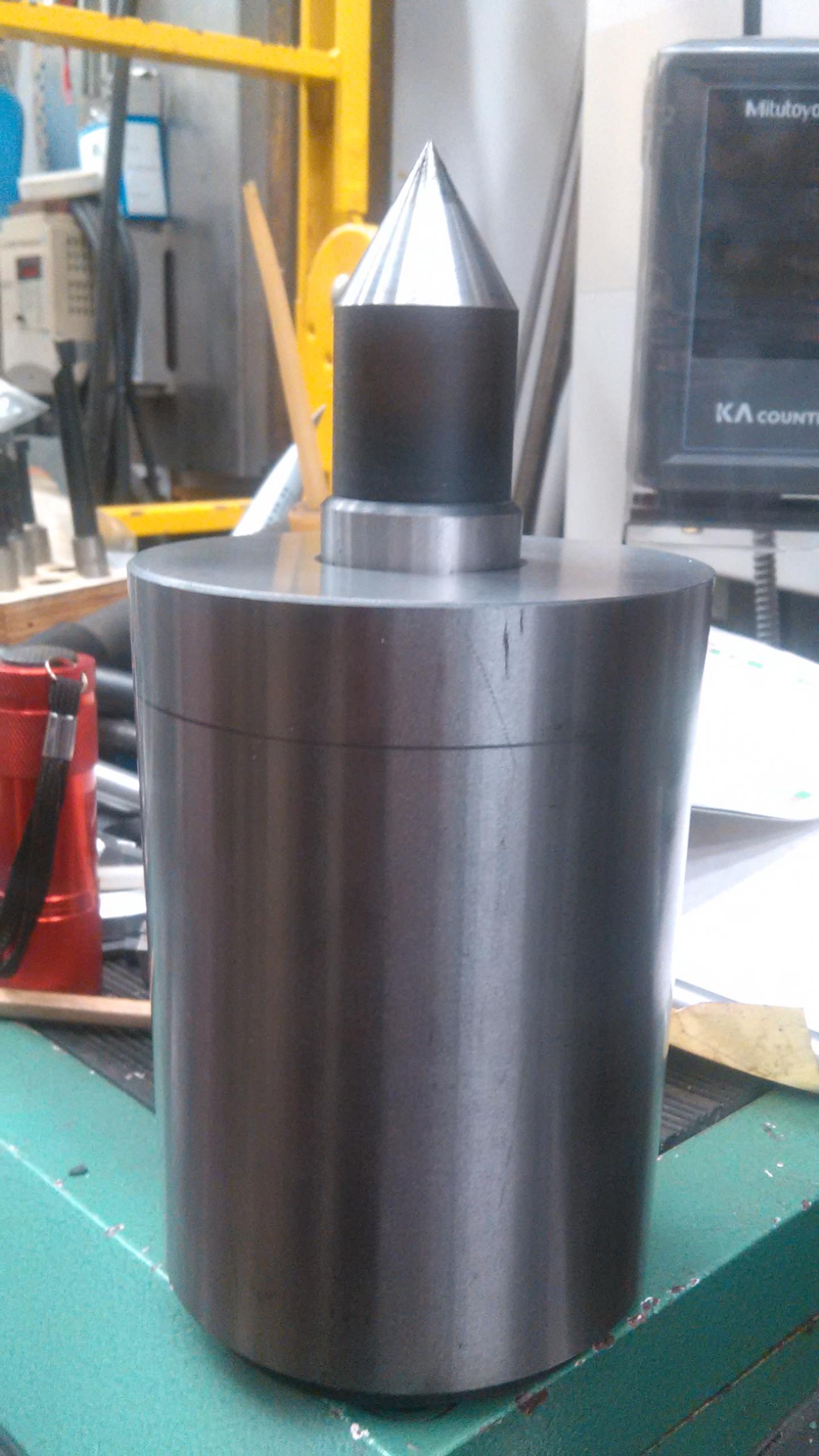
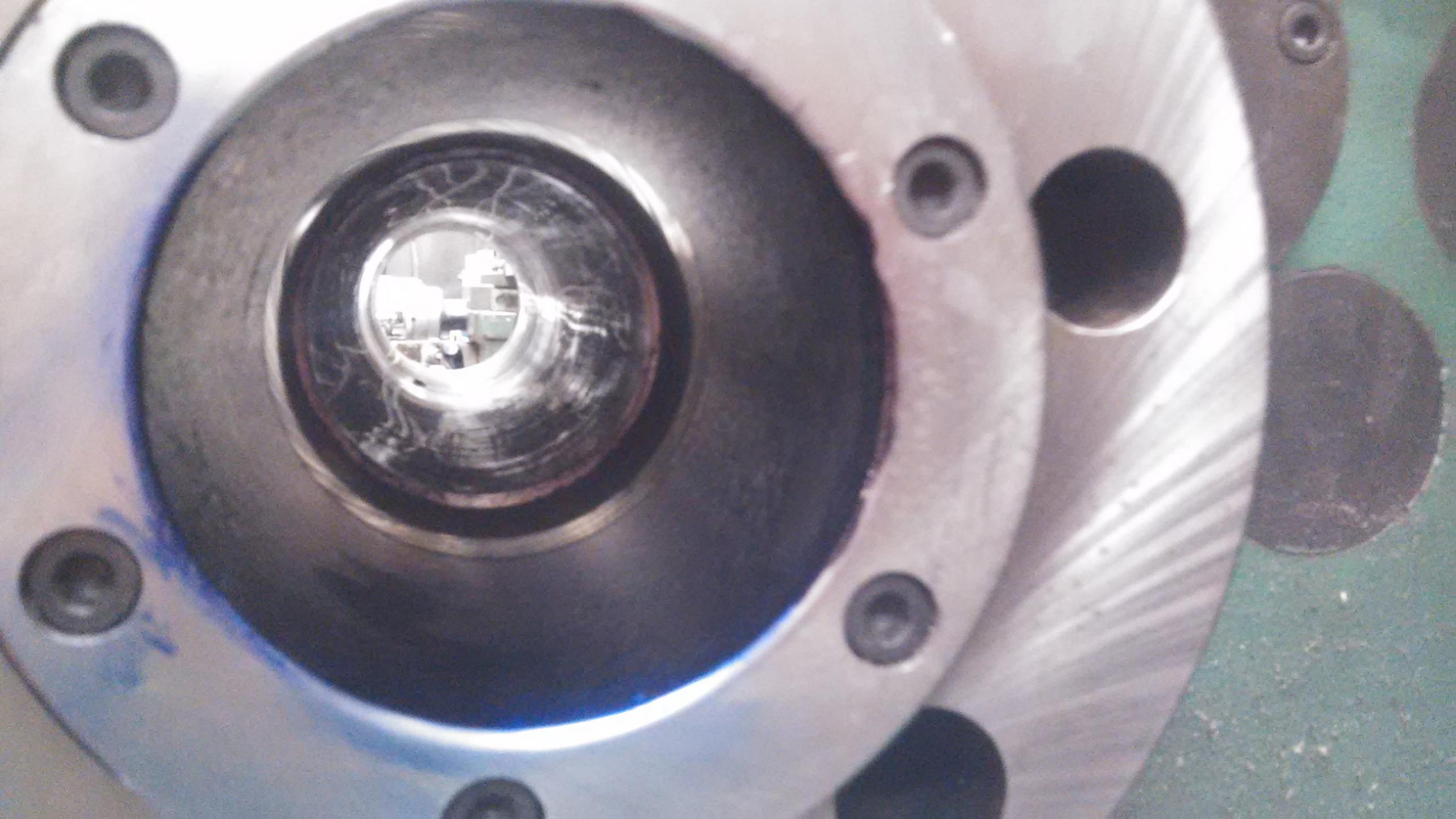
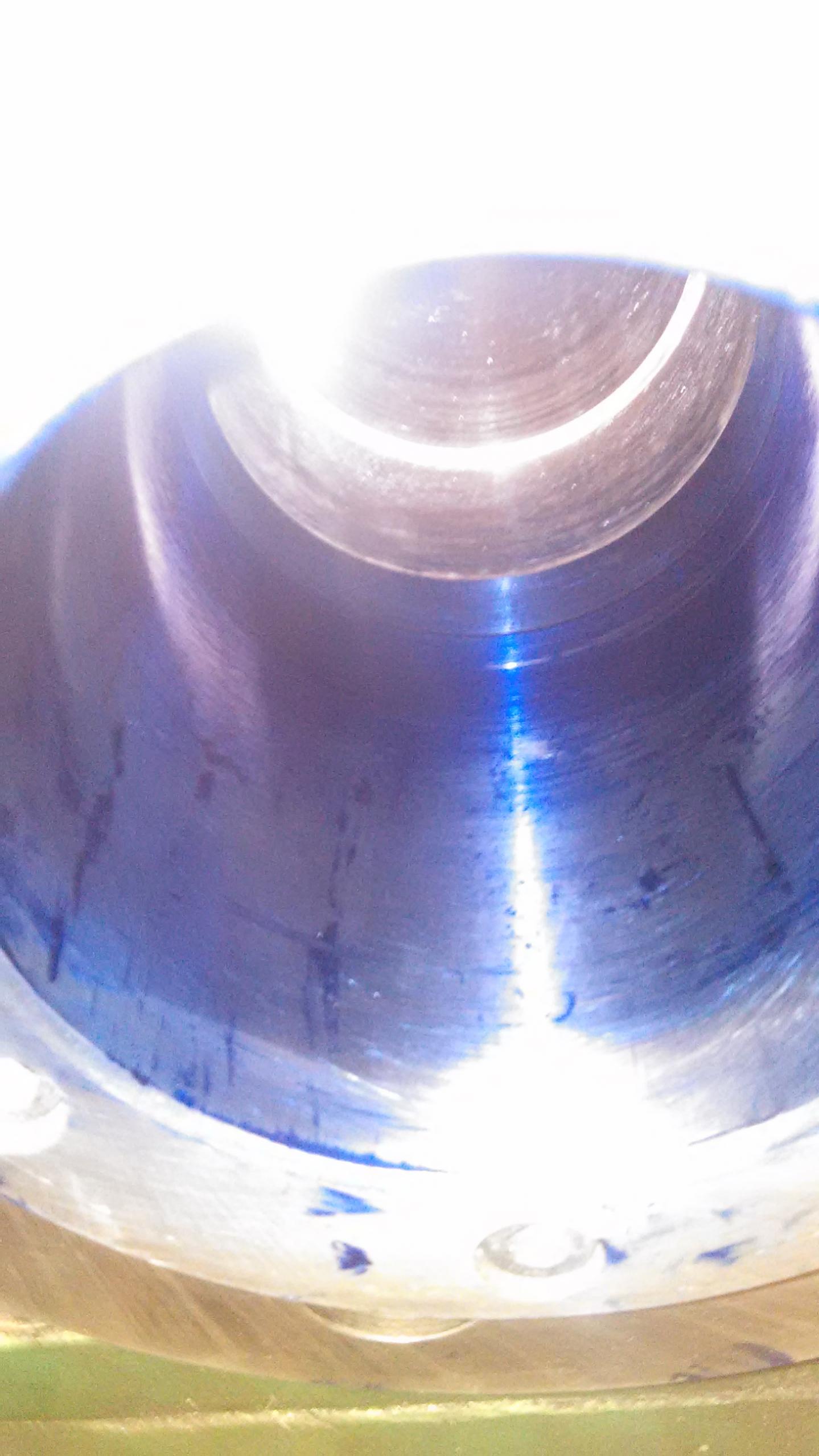
    Photos of lathe spindle hole and center adapter sleeve

    The lathe does have a taper attachment, but it needs some gib and other adjustments to work smoothly.

    The existing sleeve that adapts the 4MT center to the lathe spindle
    Repair guy-2017-02-16-lathe-test-bar-029.jpg
    This spindle is a D1-8 chuck mount.
    Repair guy-2017-02-22-morse-taper-blueing-lathe-photos-011.jpg
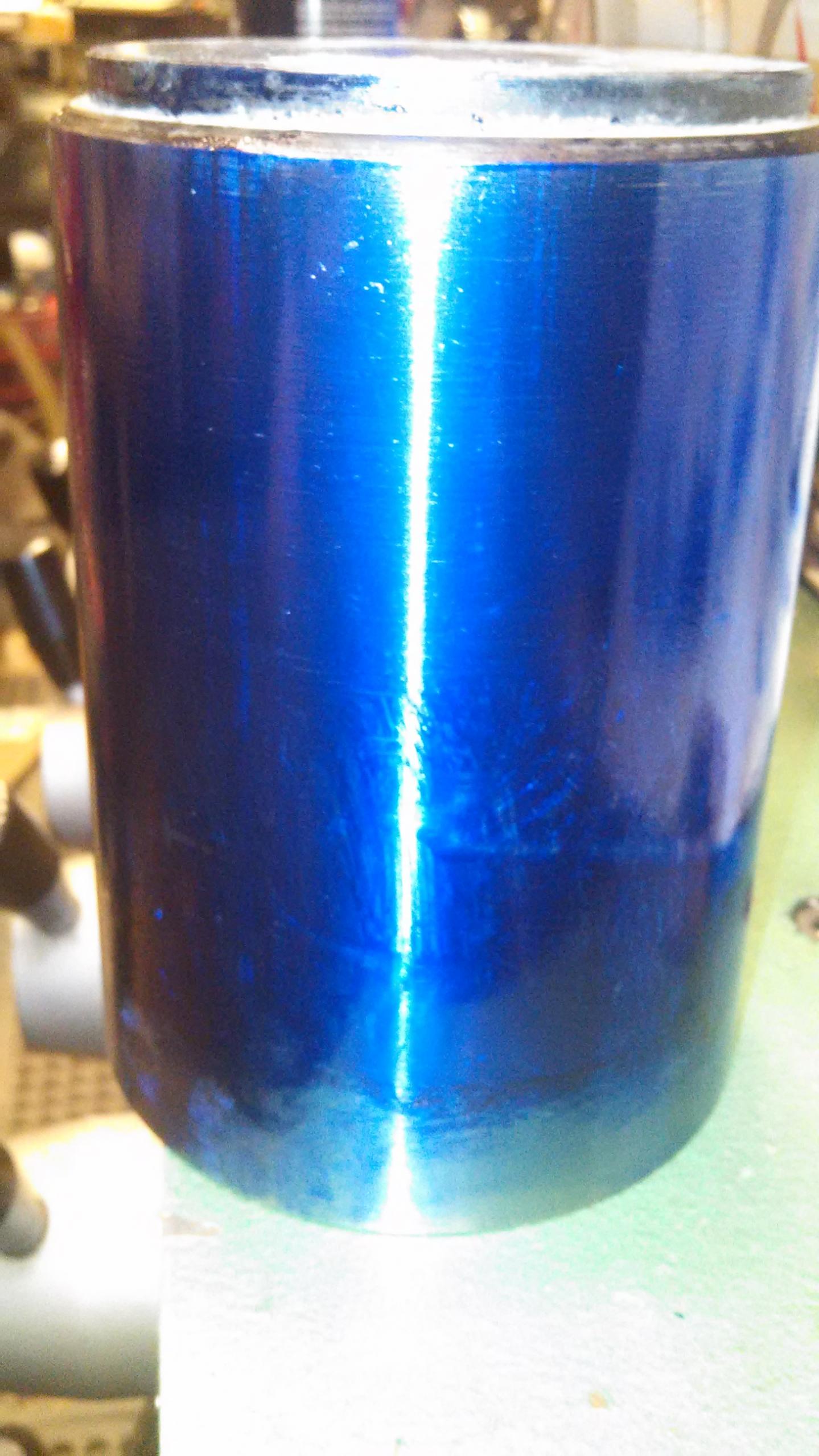
    I over applied the Dykem Hi-spot, but the sleeve was only contacting at the bottom of the taper.
    Repair guy-2017-02-22-morse-taper-blueing-lathe-photos-019.jpg
    The sleeve. I did over apply the hi-spot, to where it acted like a grease and prevented the taper from locking.
    Repair guy-2017-02-22-morse-taper-blueing-lathe-photos-042.jpg

  4. The Following User Says Thank You to metric_taper For This Useful Post:

    olderdan (Mar 18, 2017)

  5. #4
    Supporting Member olderdan's Avatar
    Join Date
    Jun 2016
    Posts
    811
    Thanks
    1,479
    Thanked 1,789 Times in 522 Posts

    olderdan's Tools
    Assuming you only need the morse taper adapter for centre work and do not need the mandrel taper for any other fitments the obvious course of action for me would be to alter the adapter to suit.
    A Colchester lathe that I used to use had the same type of adaptor and it was relieved on the centre portion with a .75 inch land at each end, this is common practice on Jones & Shipman cyl grinders also which leads me to think you may have a shop made adapter.
    You could do this to yours using a turned service morse taper for mounting and then stone and lap the small end to a correct fit, much easier than trying to grind the mandrel bore.
    I always go the simple route if possible.
    Hope this helps
    Last edited by olderdan; Mar 18, 2017 at 12:22 PM. Reason: omission

  6. #5
    Supporting Member metric_taper's Avatar
    Join Date
    Mar 2017
    Location
    Marion, Iowa
    Posts
    760
    Thanks
    281
    Thanked 410 Times in 266 Posts

    metric_taper's Tools
    This adapter came with the lathe. As indicated in the thread, every incorrectly made part clearly was assembled by the Chinese manufacture and exported this special through Grizzly. I have thought of making a new sleeve, I still need to accurately measure the spindle taper just to get something close. I'm retired, and probably will never need anything to fit this spindle hole but a true running center. I can't live with the 5 thou of runout. I've had the lathe since 2004, and just now finding the issue. Most work is always held in 3 or 4 jaw 12 inch chucks.

  7. #6
    Supporting Member Moby Duck's Avatar
    Join Date
    Jan 2016
    Posts
    413
    Thanks
    1,313
    Thanked 251 Times in 161 Posts

    Moby Duck's Tools
    Quote Originally Posted by metric_taper View Post
    This adapter came with the lathe. As indicated in the thread, every incorrectly made part clearly was assembled by the Chinese manufacture and exported this special through Grizzly. I have thought of making a new sleeve, I still need to accurately measure the spindle taper just to get something close. I'm retired, and probably will never need anything to fit this spindle hole but a true running center. I can't live with the 5 thou of runout. I've had the lathe since 2004, and just now finding the issue. Most work is always held in 3 or 4 jaw 12 inch chucks.
    If you have had the lathe since 2004 and have never used the adaptor, and rarely turn anything between centres, and are unlikely to buy a set of collets for a lathe of this size, then I think that you are going to a lot of trouble for nothing.
    Just take an appropriate sized piece of round steel bar, hold it with a 3 jaw chuck and turn a centre point end on it using the compound. It doesn't need fancy grinding, or even hardening, and it will run exactly concentric with the spindle, and it will remain so until removed from the chuck. In another 12 years when you might need to use it again, simply remount in any chuck and skim and true the centre point.
    p.s. I am not a toolmaker but the above has always worked well for me. Precision is nice but not always necessary, and I certainly wouldn't expect to get it from a big cheap lathe.

  8. #7
    Banned
    Supporting Member

    Join Date
    Feb 2014
    Posts
    69
    Thanks
    0
    Thanked 14 Times in 11 Posts
    Quote Originally Posted by Moby Duck View Post
    I am not a toolmaker but the above has always worked well for me. Precision is nice but not always necessary, and I certainly wouldn't expect to get it from a big cheap lathe.
    Excellent point as virtually all the between centers turning has used the described method. The jaws are also excellent points on which the lathe dog can sit. If you use a four jaw you can more easily produce 2 and 4 lead threads. With the 3 jaw 3 lead threads are possible.

  9. #8
    Supporting Member metric_taper's Avatar
    Join Date
    Mar 2017
    Location
    Marion, Iowa
    Posts
    760
    Thanks
    281
    Thanked 410 Times in 266 Posts

    metric_taper's Tools
    Quote Originally Posted by Moby Duck View Post
    If you have had the lathe since 2004 and have never used the adaptor, and rarely turn anything between centres, and are unlikely to buy a set of collets for a lathe of this size, then I think that you are going to a lot of trouble for nothing.
    Just take an appropriate sized piece of round steel bar, hold it with a 3 jaw chuck and turn a centre point end on it using the compound. It doesn't need fancy grinding, or even hardening, and it will run exactly concentric with the spindle, and it will remain so until removed from the chuck. In another 12 years when you might need to use it again, simply remount in any chuck and skim and true the centre point.
    p.s. I am not a toolmaker but the above has always worked well for me. Precision is nice but not always necessary, and I certainly wouldn't expect to get it from a big cheap lathe.
    I know the method your referring to of making a center held in the 3 jaw.
    I do have a project that needs to be between centers. The problem is this lathe is a short bed (I purchased on purpose for lack of floor space). It's only 40 inches between centers. The 12 inch lathe chuck consume more then 10 inches of this. I have a shaft project ~35".

    I did learn that the taper is a 90mm gauge line metric taper 1:20 ratio. And I learned the sleeve is where the error is. And I learned a whole bunch of new things I never knew before, like making measurements on a surface plate.

  10. #9
    Supporting Member
    Join Date
    Sep 2015
    Location
    Kansas
    Posts
    88
    Thanks
    1
    Thanked 64 Times in 37 Posts
    That may be a 7 Morse taper. You can look up the specs in Machinery's Handbook. If you find the spindle is worn or not at the correct angle, you can recut it with a carbide insert boring bar. You can use the taper attachment, or swing the compound slide around to the correct angle. I like to use the compound for short angles.

    Once you determine what the taper should be (the model G0749 is a #7MT) You can easily set the compound slide to the desired taper like this:
    1- Put a bar in the chuck or collet and turn to get a full cleanup on the material diameter with a good finish. Diameter must be the same for the length of the turned part. Keep part in place until angle is set.
    2- Calculate a right triangle for one side of the taper. Set up a dial indicator perpendicular to the turned part, on the side facing the operator. The compound slide is the hypotenuse, indicator stem is the short side and the part is the long side.
    3- Adjust the angle of the compound until the dial indicator reads the number of the short side when the compound is dialed the length of the long side. Tighten compound slide in place.
    4- Remove indicator and bar, add part to be turned and cutting tool, and cut taper. In this case, the part to be turned would be the spindle taper. No need for a toolpost grinder, just go over the surface several times with the carbide insert. Make sure the toolpost is tight, so it doesn't move during the cutting process.
    Last edited by Toolguy; Mar 17, 2017 at 01:30 PM.

  11. #10
    Supporting Member Gary A. Wills's Avatar
    Join Date
    May 2015
    Posts
    25
    Thanks
    15
    Thanked 16 Times in 10 Posts
    Do you have any runout when using the chucks? I'd mount the sleeve on an arbor mount a center and center it in a four jaw chuck and using a dog to drive I'd set up a grinding fixture on the tool post . Indicate the compound to the taper and then using a seperate indicator on the bottom of the compound. Then I'd take a test grind full length of the taper. If it cleans up all the blue dye I'd loosen and tap the compound about .002 at the tailstock end. Recut the grind measure the large end if it matches the taper in the head I'd stop and recheck the fit in the spindle. Easy to save your zero by just taking the arbor and part out from the centers. Remove the chuck and Ck the fit with blue dye. It may take awhile but you can fit it a few thousandth at a time. If the spindles out you'll need to trout the bore. Hopefully it's just the sleeve.

Thread Information

Users Browsing this Thread

There are currently 2 users browsing this thread. (0 members and 2 guests)

Bookmarks

Posting Permissions

  • You may not post new threads
  • You may not post replies
  • You may not post attachments
  • You may not edit your posts
  •