
 LinkBack URL
 About LinkBacks
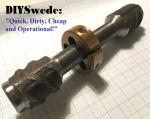

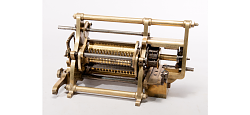
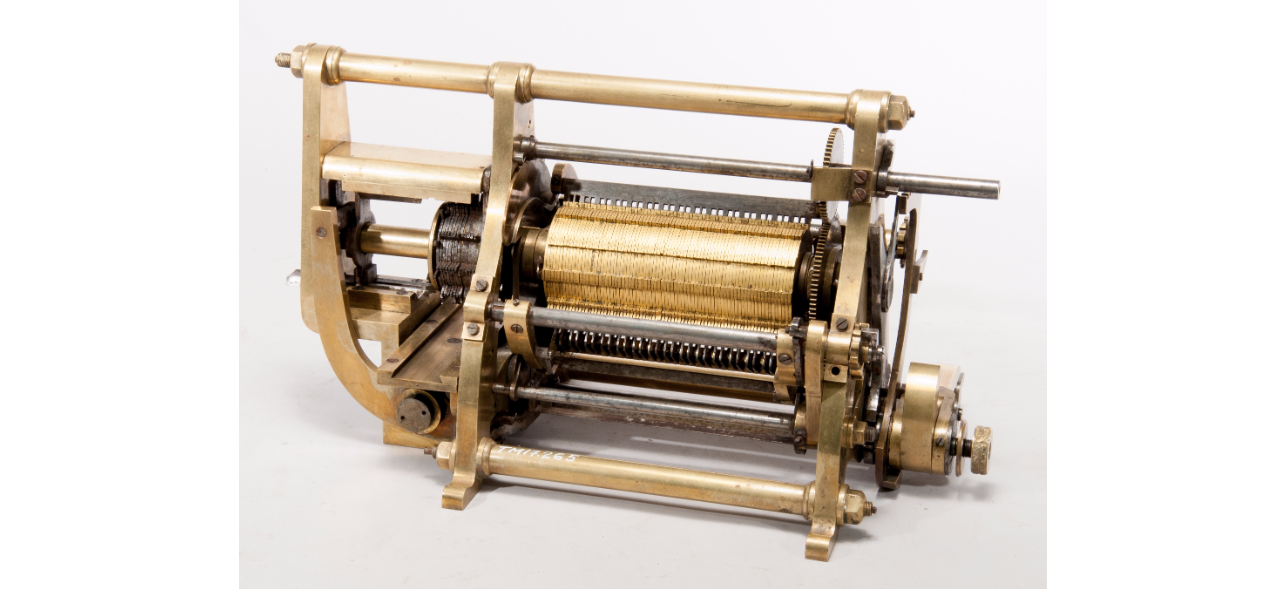
-Ah - Babbage devised and had the prototype above (app only 1/7th of his proposed machine) built,
though the entire Difference Engine wasn't ever completed in his lifetime.
A Swedish publicist and translator, Per Georg Scheutz, got interested from the Edinburgh Review publication in July, 1834.
and lured his young son, Edvard into checking it out, and perhaps winging something together.
First Prototype displayed in Oct 3rd, 1837, where Edvard stated in a letter to the (Swedish) Royal Academy of Sciences
that he'd built a simpler, cheaper and improved machine than Babbage's:
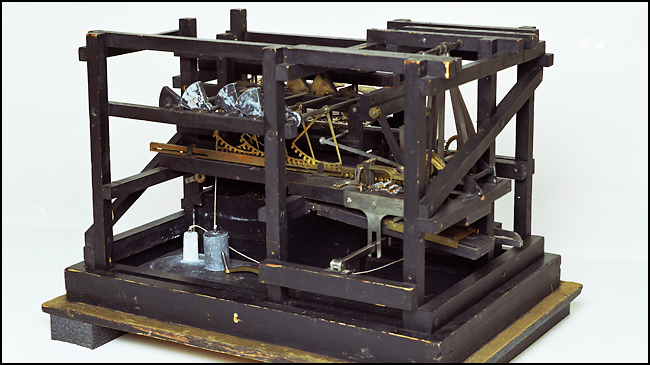
In 1853 they together had achieved the World's first working, printing difference engine, a little smaller than a piano.
Instantly famous and awarded at the Paris' World Fair in 1855, only three machines was ever built and sold,
and the Scheutzes finally died totally broke.
Comparison between the engines:
Difference Engine Comparison.pdf
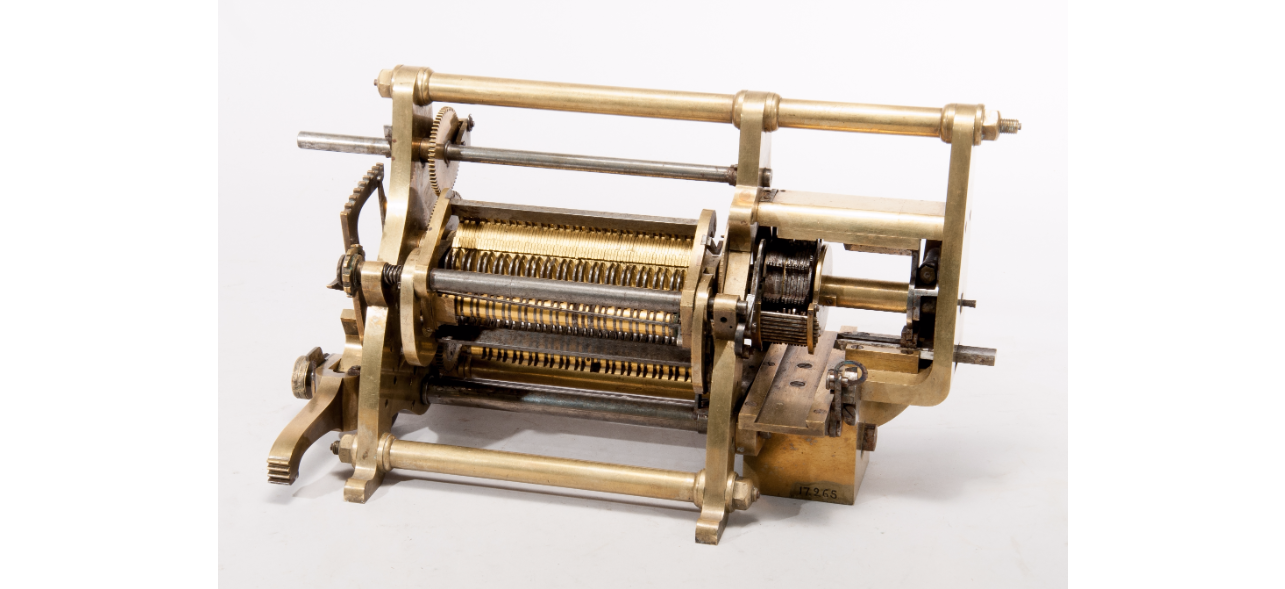
Six years later still, in 1859, yet another Swede, Martin Wiberg built another, even smaller and lighter "engine"
with about the same capabilities at the Scheutz', but the size of a modern sewing machine:
Delve:
https://en.wikipedia.org/wiki/Difference_engine
"Glory and Failure- The Difference Engines of Johann Müller, Charles Babbage and Edvard Scheutz"
by Michael Lindgren*, Linköping University Press 1987(Reprint MIT Press 1990) ISBN 91-7810-146-5
*https://innovationshistoria.se/ (The author's Swedish only page, and I'm NOT affiliated - though I liked the book)
https://en.wikipedia.org/wiki/Per_Georg_Scheutz
https://en.wikipedia.org/wiki/Martin_Wiberg



 Reply With Quote

Bookmarks