8 Attachment(s)
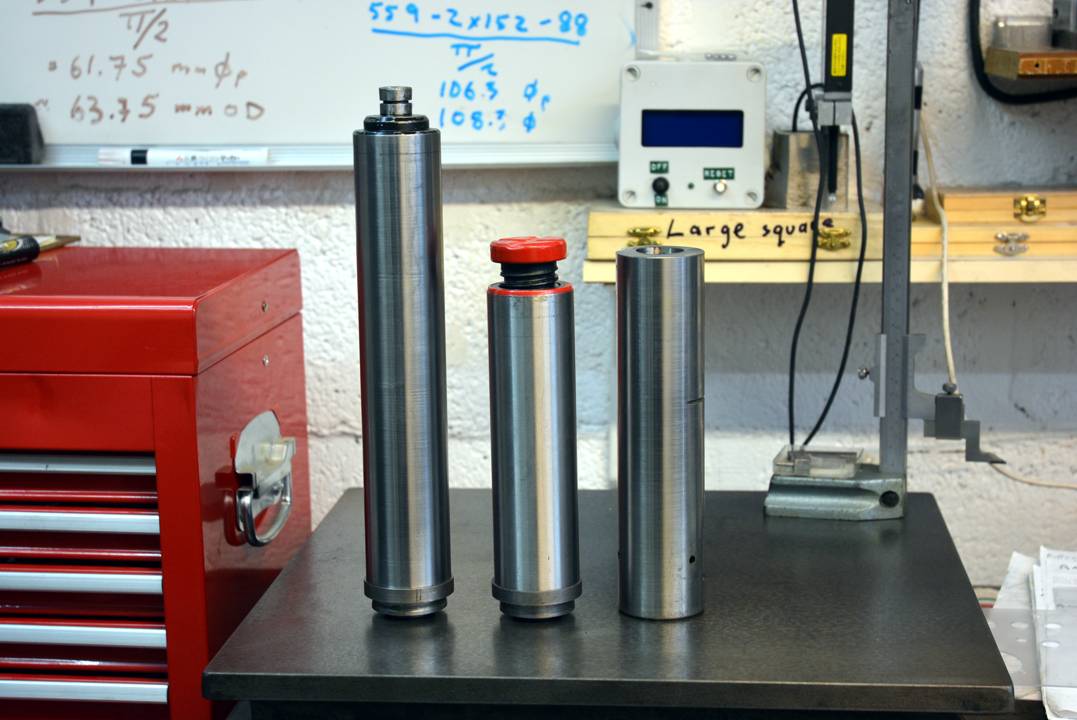
Cylindrical square from a lathe tailstock.
I had a spindle from the tail stock of a large lathe which I used as the basis for an accurate cylindrical square. Although the spindle was hardened it had some wear due to years of use on the lathe. This video shows how I lapped it true and checked it for squareness.
https://youtu.be/Crdkp051f-Q
here is a link to my Youtube playlist of more workshop videos.
https://www.youtube.com/playlist?lis...O1hdmUIYO28Def
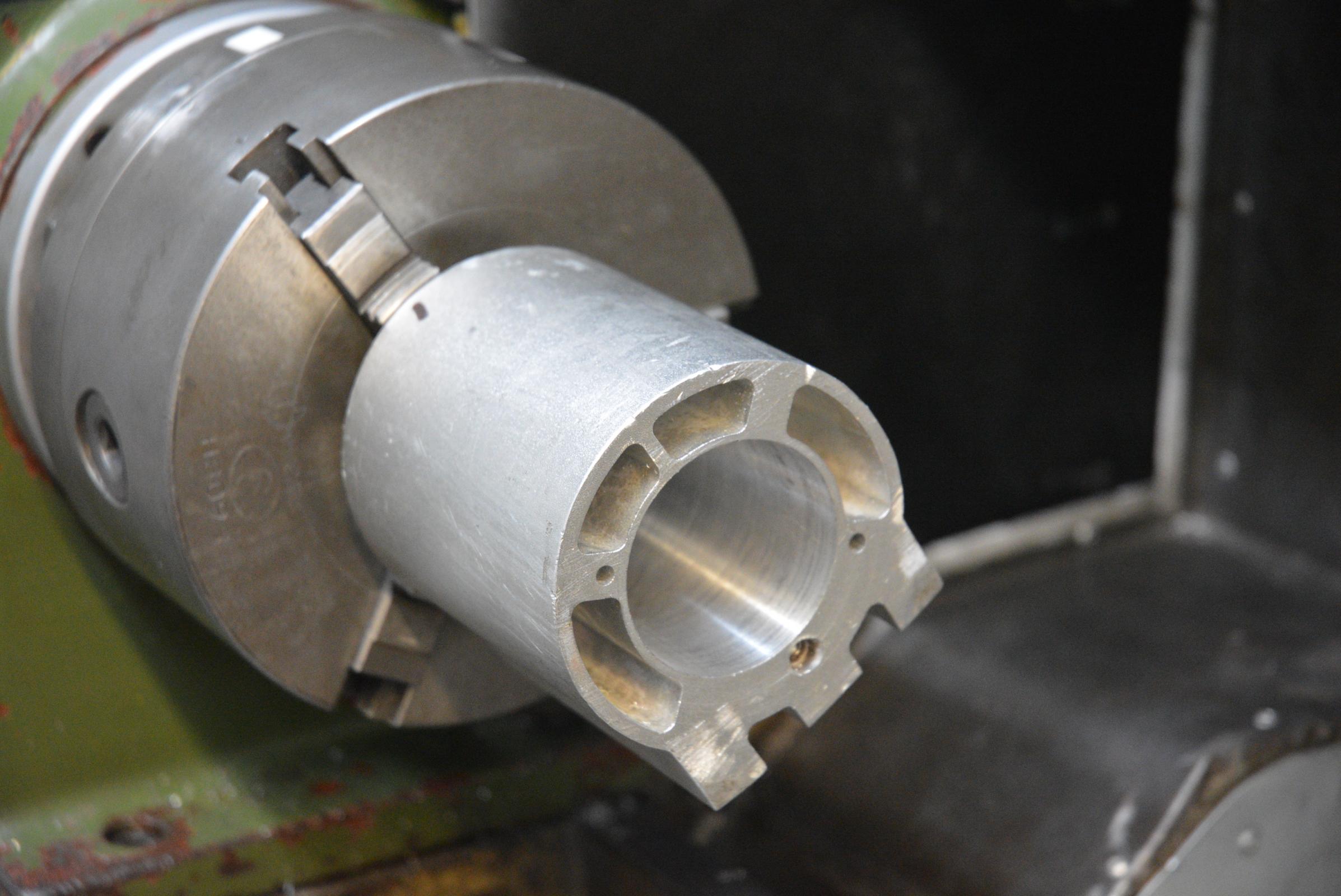
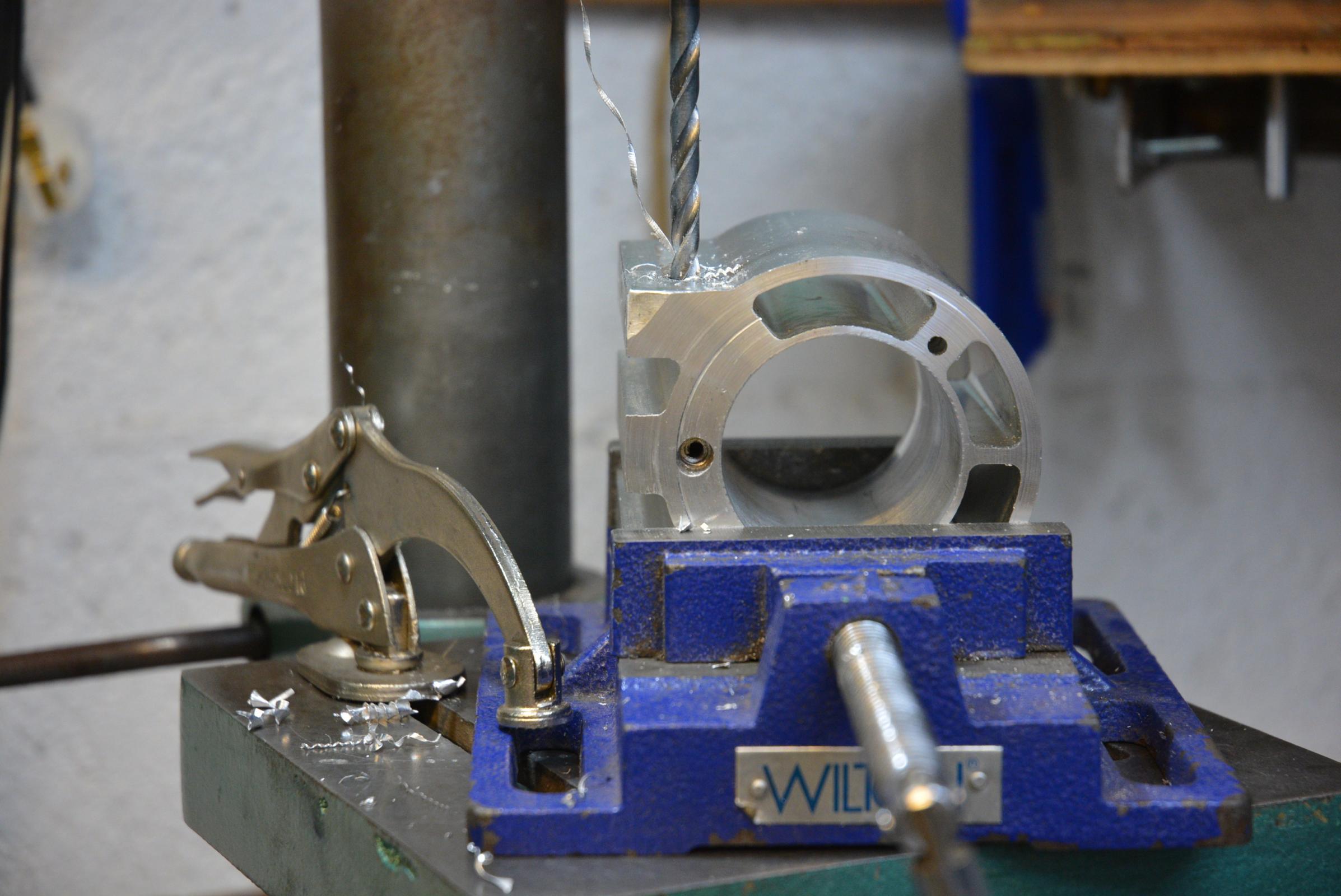
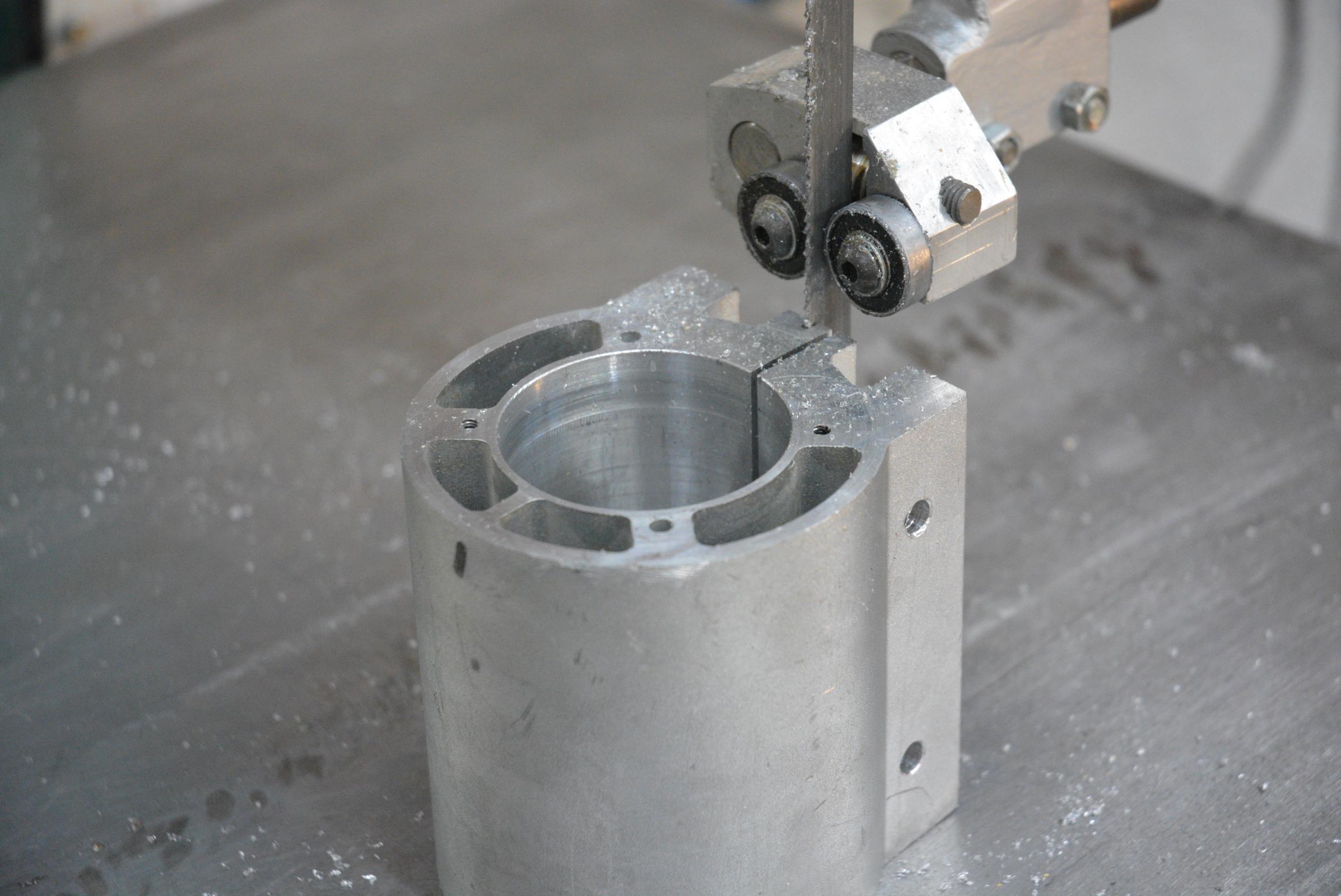
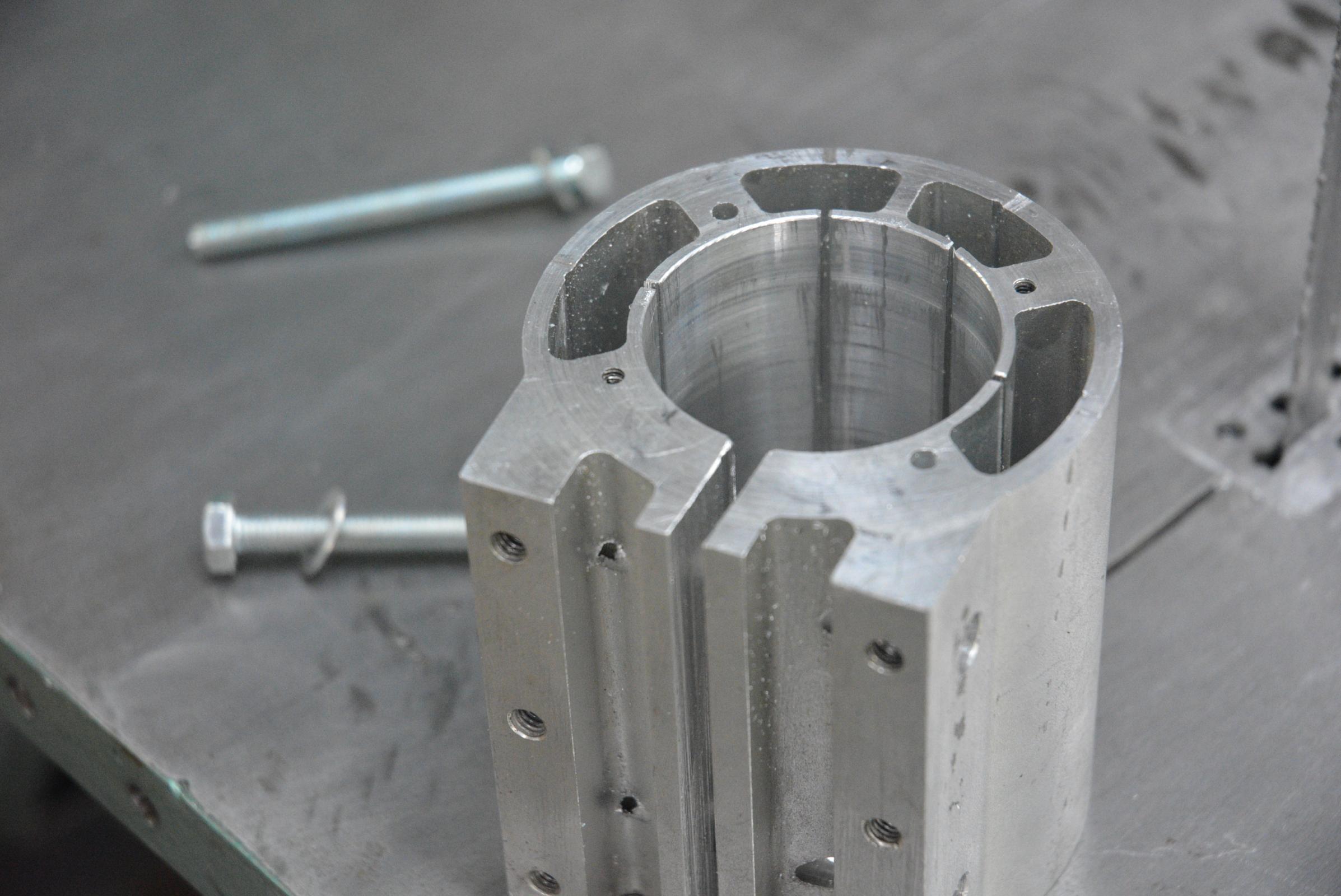
I had an old aluminium bearing housing in the scrap box which had a bore of 50 mm and the tailstock cylinder was 54 mm so I made a lap by boring out the housing and then splitting it with a bandsaw. I added a couple of clamping screws for adjustment during lapping.
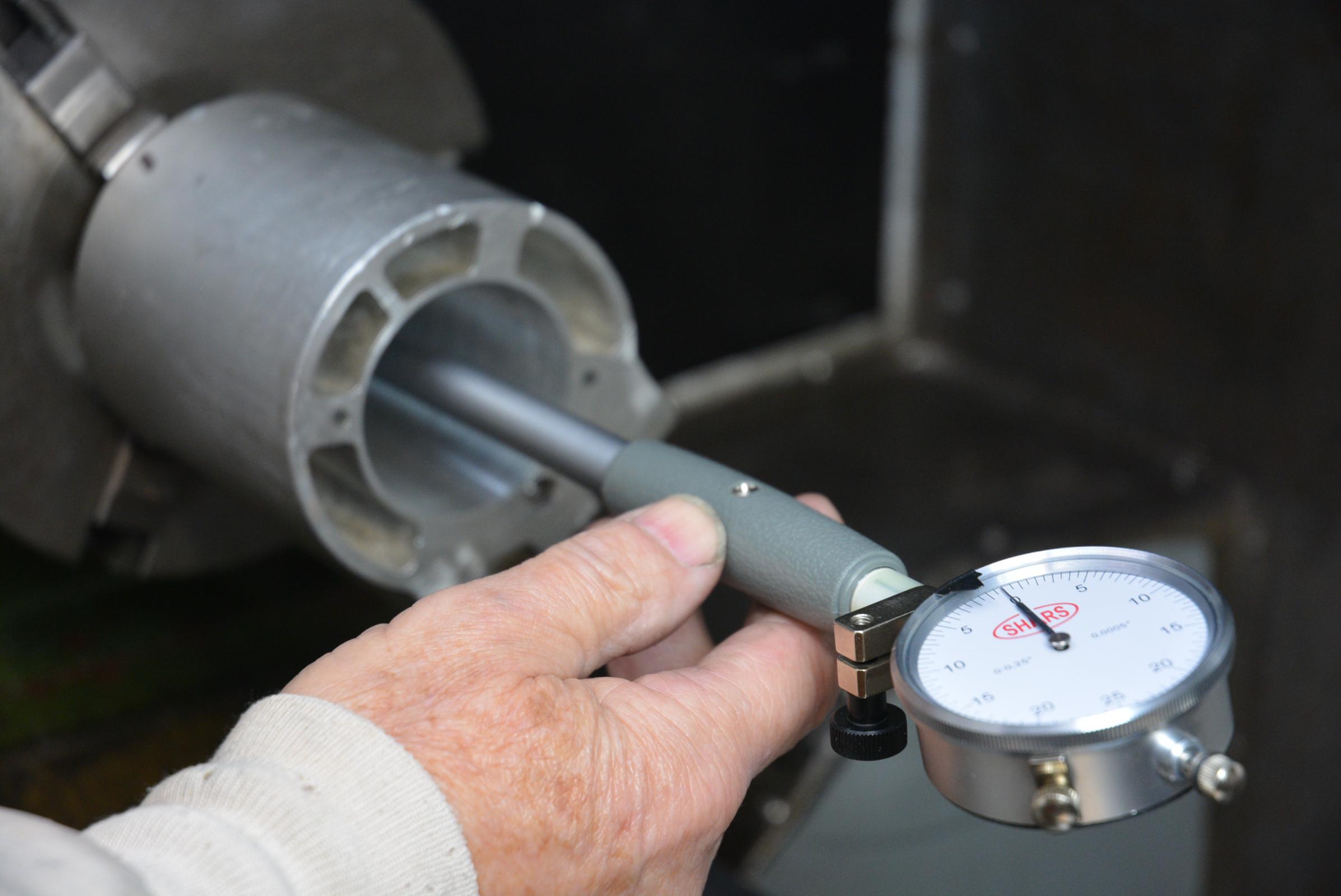
Attachment 32869 Attachment 32870 Attachment 32871 Click for full size.
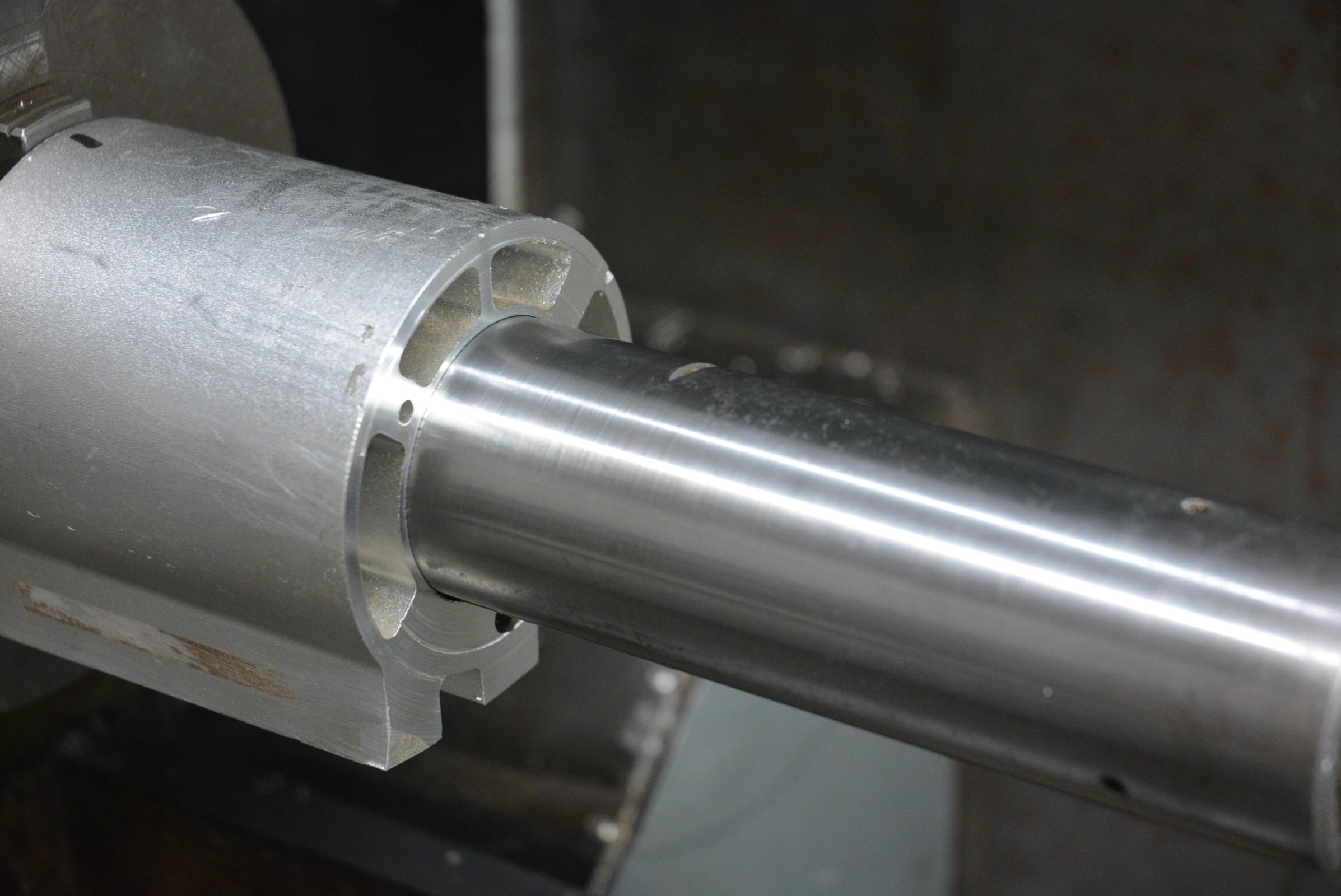
Attachment 32872 Attachment 32873 Attachment 32874
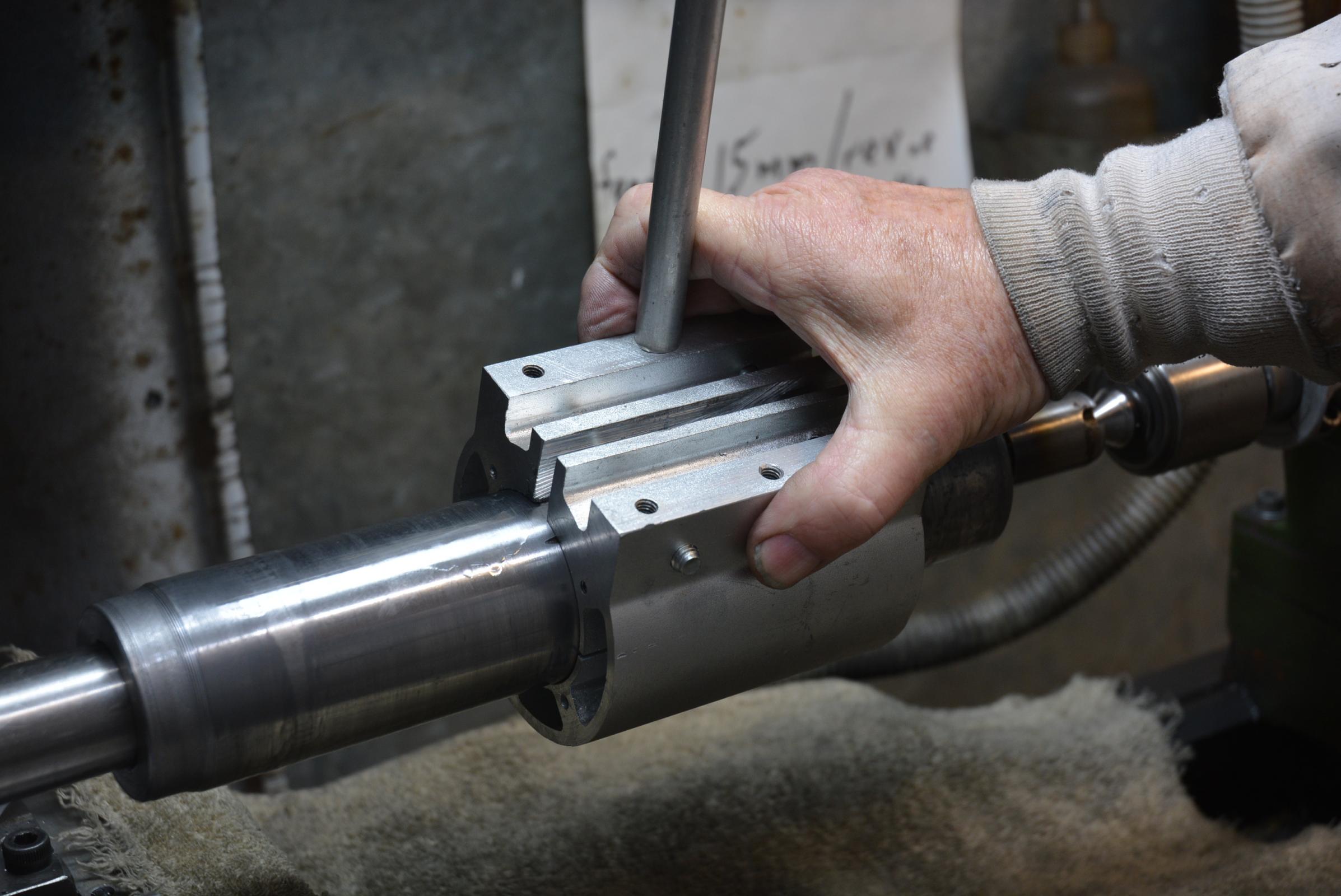
I had machined the bore for a nice slip fit on the cylinder, but for the initial lapping I spread the diameter a little so that I could charge it with the lapping grit and some thin oil. I worked the lapping over the areas which were the largest. The cylinder varied in diameter by only 2 tenths of a thou. prior to lapping. Pretty good but I like perfection where possible.
Attachment 32875 Lapping.
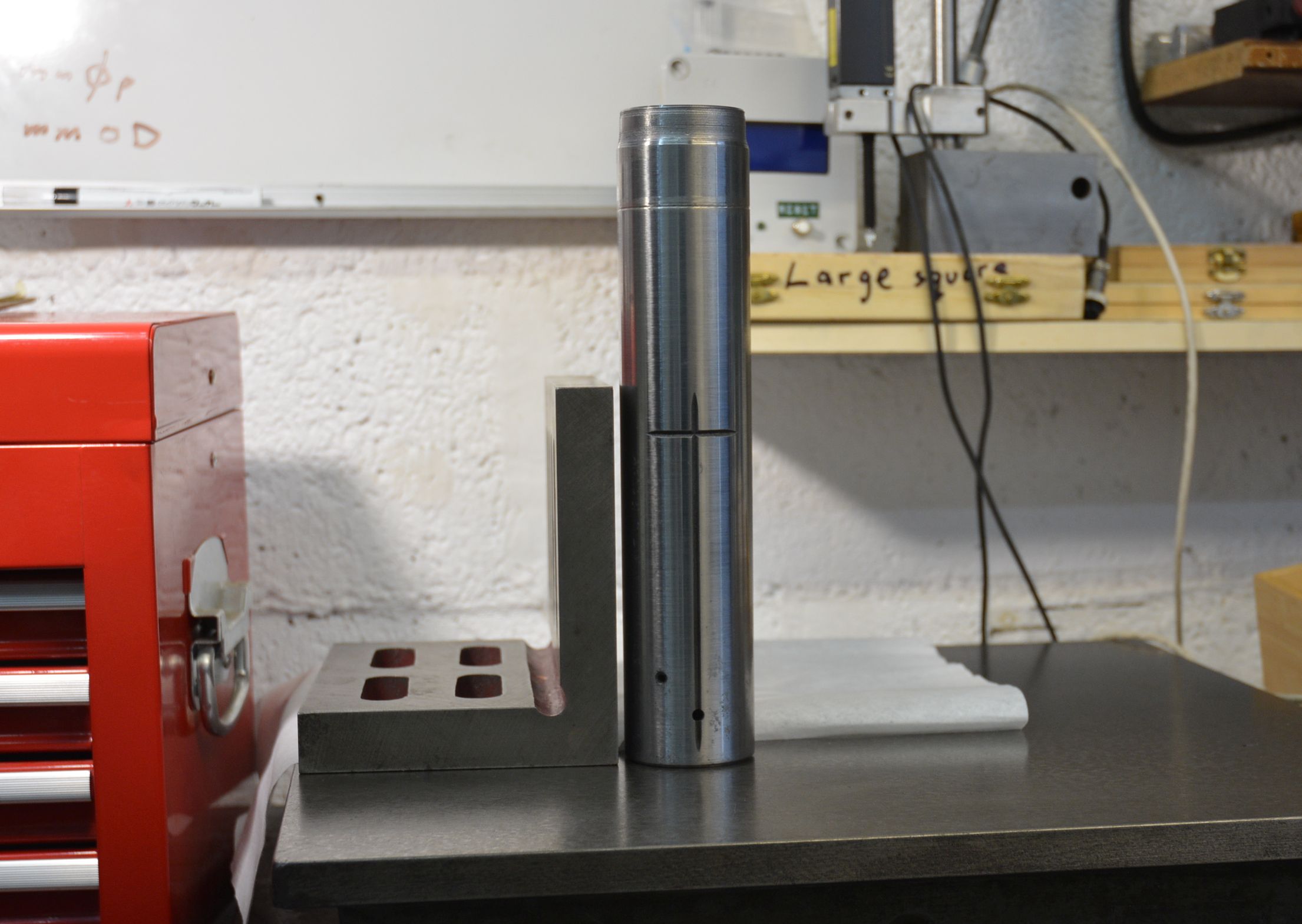
After lapping I could detect no difference in diameter over its working length. So that left the squareness to the base to be checked.
Attachment 32876
I suggest watching the video for more details. Please like and share it and subscribe to my video channel if you have not already done so.
1 Attachment(s)
Beware! Advancing horde of squares. More acceptable than nerds or wanna-be's.
DIYSwede, and Tony Foale; very clear you both familiar with geometry that makes Cylinder Squares dependable standards, whether comparison or direct measure.
To the General Population [inmates], I'll add three, carrying the process off in useful ways.
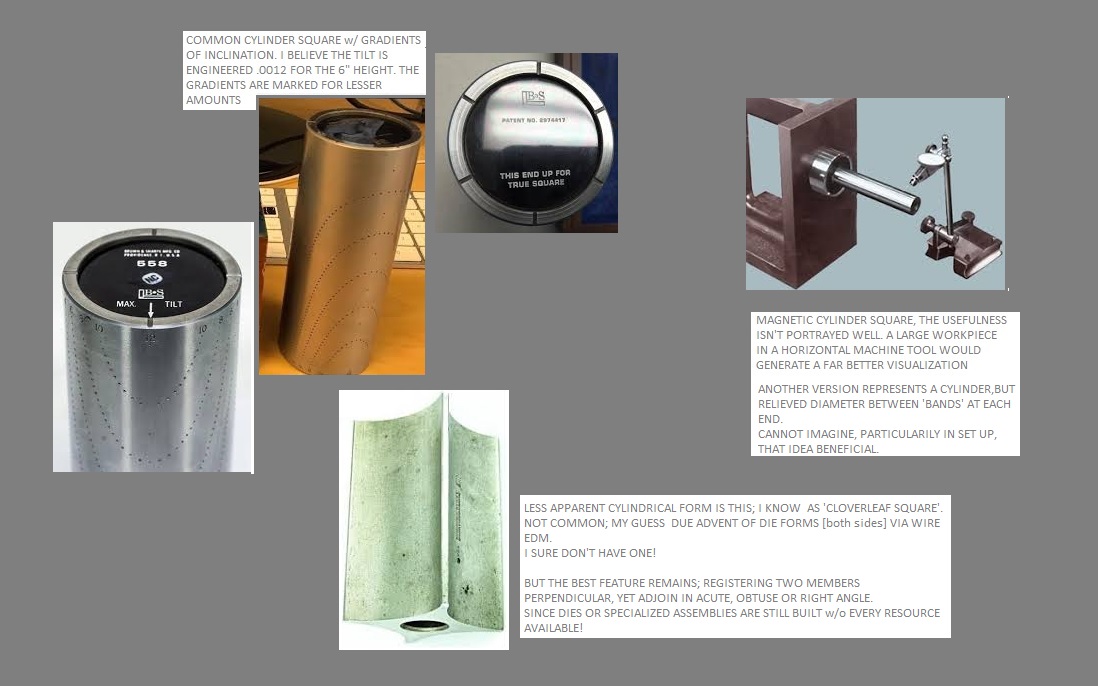
Brown & Sharpe [+ others] make a cylinder where ends vary intentionally. One end square isn't any surprise. Their 6" x 2"ish #558 product is OUT OF SQUARE on the other end! What? Yes, intentional! The exterior is marked with ellipses, interpolating out of squareness at given heights. Rotated in proximity with piece being inspected, the tilt goes from possible full contact to less than, regardless. Just as Tony demonstrated and DIYSwede observe, a cylinder [tilted] has two [minimum] perpendicular lines of contact. The #558 can relay needed correction quite accurately; greater angles are likely planned and better verified by sine tools.
Another fine square, especially popular setting up in accordance with horizontal [vertical plane] locations is the Magnetic Cylinder. Constructing one wouldn't be out of range for many private shops. They are non-magnetic stainless with epoxied Nd magnets [usually 3] with a small gap less than flush from the base. The broad base supports the smaller cylinder readily, as they are machined one piece. Careful handling would make brass, bronze or aluminum rather acceptable.
Finally, pic might disclose a rarity, the cloverleaf square.
Attachment 32889
Some tools arise out of utility.
Some tools born out of imagination; may not gain interest outside that realm.
Some go away when processes get outmoded.
Some disappear, thankfully. We call those gimmicks.
https://www.google.com/search?q=brow...w=1600&bih=736
https://www.google.com/search?client...4dUDCAY&uact=5