 LinkBack URL
 About LinkBacks
Yeah NAPALMOriginally Posted by high-side





Yeah NAPALM
Never try to tell me it can't be done
When I have to paint I use KBS products
blkadder (Aug 9, 2019), bruce.desertrat (Aug 9, 2019), high-side (Aug 9, 2019)


This must be from one of those "FREE CAR! - you haul it away" ads on Craigslist. "Minor upholstery damage; comes with free air freshener."
New: BuildThreads.com - 300+ build posts/day (with photos)
Andyt (Aug 11, 2019), Dragonhand (Aug 9, 2019), high-side (Aug 10, 2019), Seedtick (Aug 9, 2019), Toolmaker51 (Mar 2, 2023), Tule (Aug 9, 2019)

Yeah apparently Alabama has lots of these mega-sized yellowjacket nests; apparently the mild winters are allowed a lot more of them to survive than usual https://www.atlasobscura.com/article...w-jacket-nests
baja (Aug 10, 2019)
The desert harvester ant is actually an ant just a large red sucker no stingers but powerful mandibles that can actually rip through flesh However they are quite clam when compared to other ants
The Texas red ant also a harvester ant are not so calm though
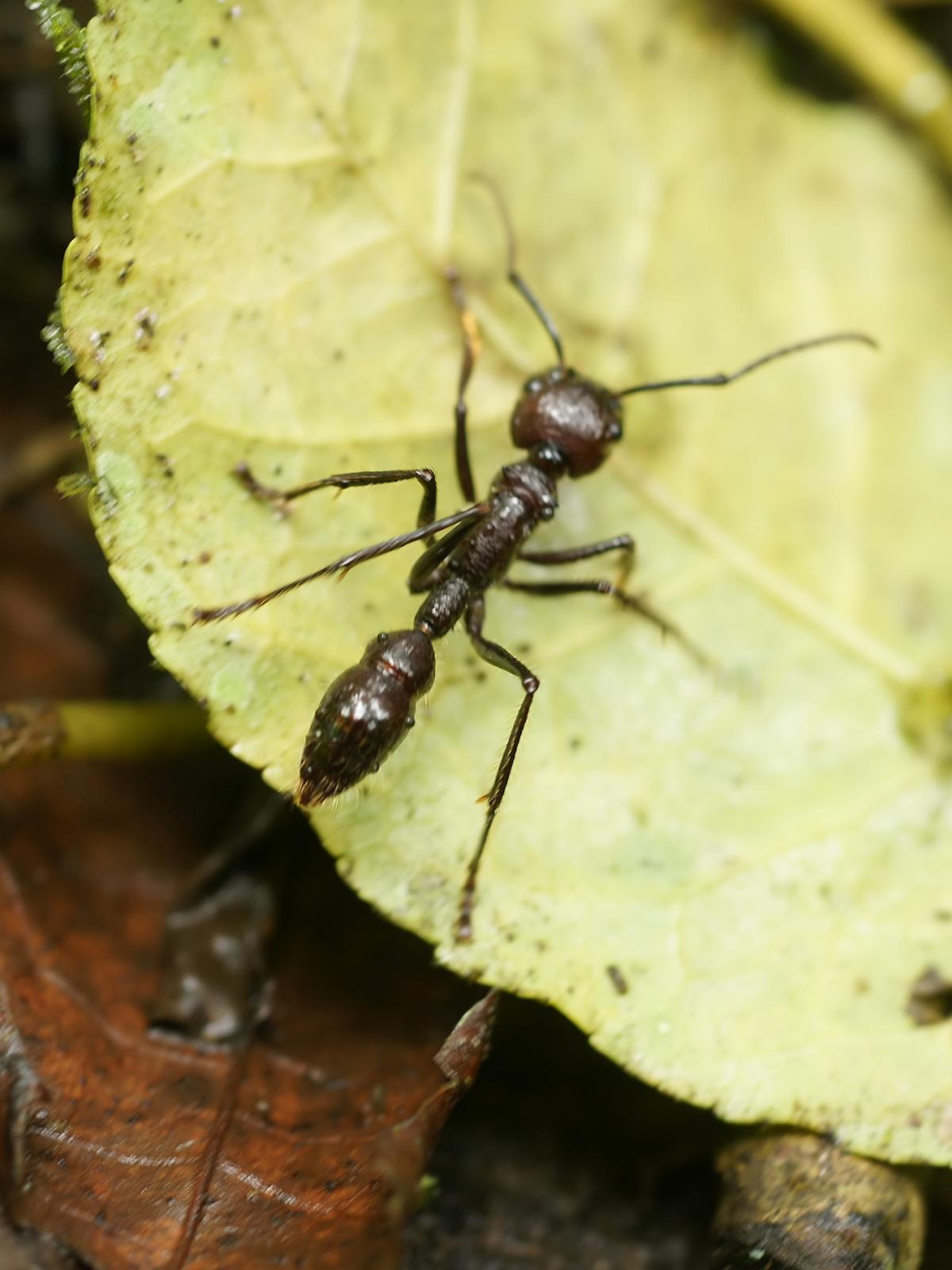
Bullet ants have stingers like some other species of ants
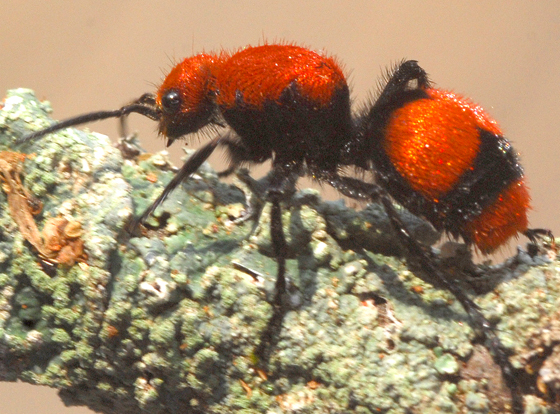
Cow ants are all warm and fuzzy looking until one stings you
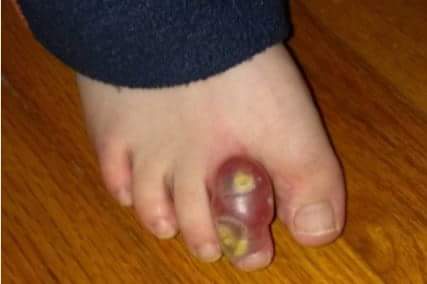
This is what can happen from a single sting
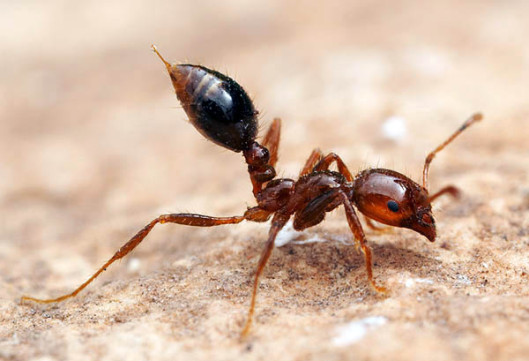
But first prize for the deadliest ant would have to go to the fire ant A smallish ant less than 1/4 inch long But when 1 attacks they all attack
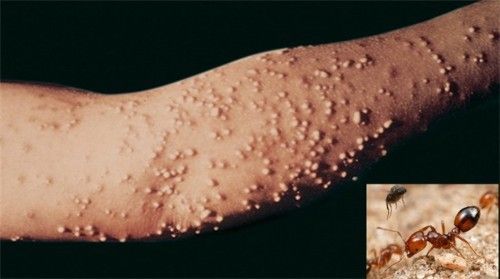
A lot of people are very allergic to their bites and stings and will go into anaphylactic shock within minutes of being bitten by a single ant
But when this happens it doesn't matter if you are allergic or not you are in trouble
.
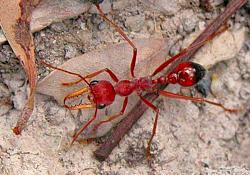
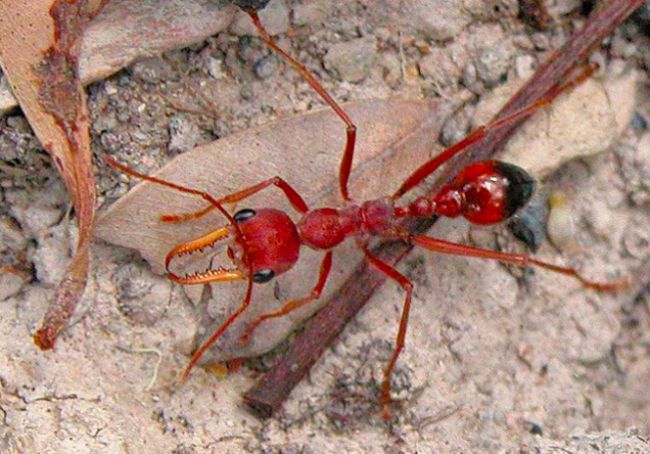
But the Grand prize of all probably goes to the Australian bulldog ant
1 bite and sting have actually been known to kill an adult human in 15 minutes.
Yep Australia wins again or loses depending on how you look at it for having way too many extremely deadly species.
Last edited by Frank S; Aug 9, 2019 at 12:25 PM.
Never try to tell me it can't be done
When I have to paint I use KBS products

Kill it with fire! Then kill it again with more fire and then C-4.
Ron
...Semper Fidelis...
 and red imported fire ants (Solenopsis invicta), so I'd like to throw in a few clarifications:
First, you cannot be allergic to an ant bite, as there is no introduction of a foreign substance to the body -- bites from ants are purely mechanical, and while they can hurt or even draw blood, they aren't medically significant unless you are receiving h "Pin It")
I've actually done field research with ants, specifically Florida Harvester ants (Pogonomyrmex badius) and red imported fire ants (Solenopsis invicta), so I'd like to throw in a few clarifications:
First, you cannot be allergic to an ant bite, as there is no introduction of a foreign substance to the body -- bites from ants are purely mechanical, and while they can hurt or even draw blood, they aren't medically significant unless you are receiving hundreds or thousands of bites. Some ants can spray formic acid into wounds caused by biting, and this does hurt, but contact dermatitis is not life-threatening. Stings involve the injection of venom, and that's when allergies can come into play -- many ants will bite in order to produce enough leverage to sting, but it's the sting that can cause real problems.
The term "harvester ant" can refer to many different species, most of which cannot sting (like those in the genus Pheidole, the big-headed ants), but members of the genus Pogonomyrmex can (and do) sting and the experience is not pleasant -- I know from personal experience. The Maricopa harvester ant (Pogonomyrmex maricopa, found in Arizona) actually has the most toxic venom known in insects, with an LD50 in mice of 0.12 mg/kg, though it isn't the most painful to humans.
The Bullet ant is no joke, and has the most painful sting known, scoring 4+ on the Schmidt sting pain index.
Cow ants/cow killers/velvet ants are in fact wasps, not ants, where the females are wingless and can deliver quite a nasty sting.
Fire ants are annoying, and yes, when you disturb a nest you will have a swarm of angry ants stinging you, but unless you are trapped with them, or are specifically allergic, the stings are not dangerous. I spent a month digging up fire ant nests and maintaining a colony in a laboratory, and I was stung many hundreds of times, as were all of the other researchers -- it wasn't fun, but none of us have had any lasting effects. Allergies to fire ant venom are rare, and while they may technically be the 'deadliest ant', this is mostly due to the fact that an estimated 14+ million people in the US are stung by fire ants every year, and some of the small percentage of people who are allergic go into severe anaphylaxis without ready access to medical care; current estimates range from fewer than 200 total recorded fatalities, up to roughly a dozen fatalities per year, with most occurring in people who were severely allergic, or unable to move away from a swarm (infants and bedridden adults). Saying the fire ant is the 'deadliest ant' is similar to the technically-true statement that peanuts are the 'deadliest legume', because something like 150-200 people die per year from allergic reactions, while the rosary pea is clearly a much more dangerous legume, containing the ludicrously toxic compound abrin, yet it kills far fewer people because we know they are poisonous and don't eat them.
Australian Bull ants (Myrmecia pyriformis), along with the rest of the jack jumper ants, are likely the most dangerous ants currently known, as the prevalence of allergic reactions is somewhere around 2-3% of the local population, and anaphylaxis appears to be more common for allergic individuals than for other venom allergies.
Frank S (Aug 10, 2019), Toolmaker51 (Mar 2, 2023)
There are currently 1 users browsing this thread. (0 members and 1 guests)
 Posting Permissions



 Reply With Quote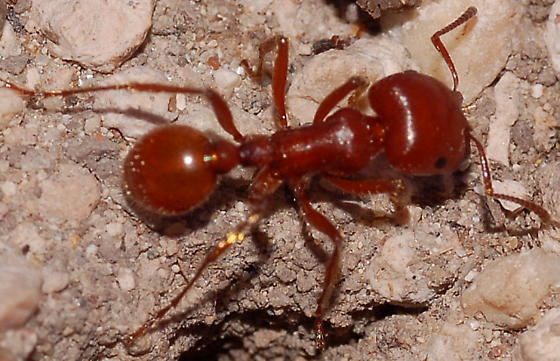
Bookmarks