
 LinkBack URL
 About LinkBacks


Hi All
With the high cost of steel, I have resorted to using any old steel I can lay my hands on be it from scrap yards, skips, material I have been given or lying around or any other means.
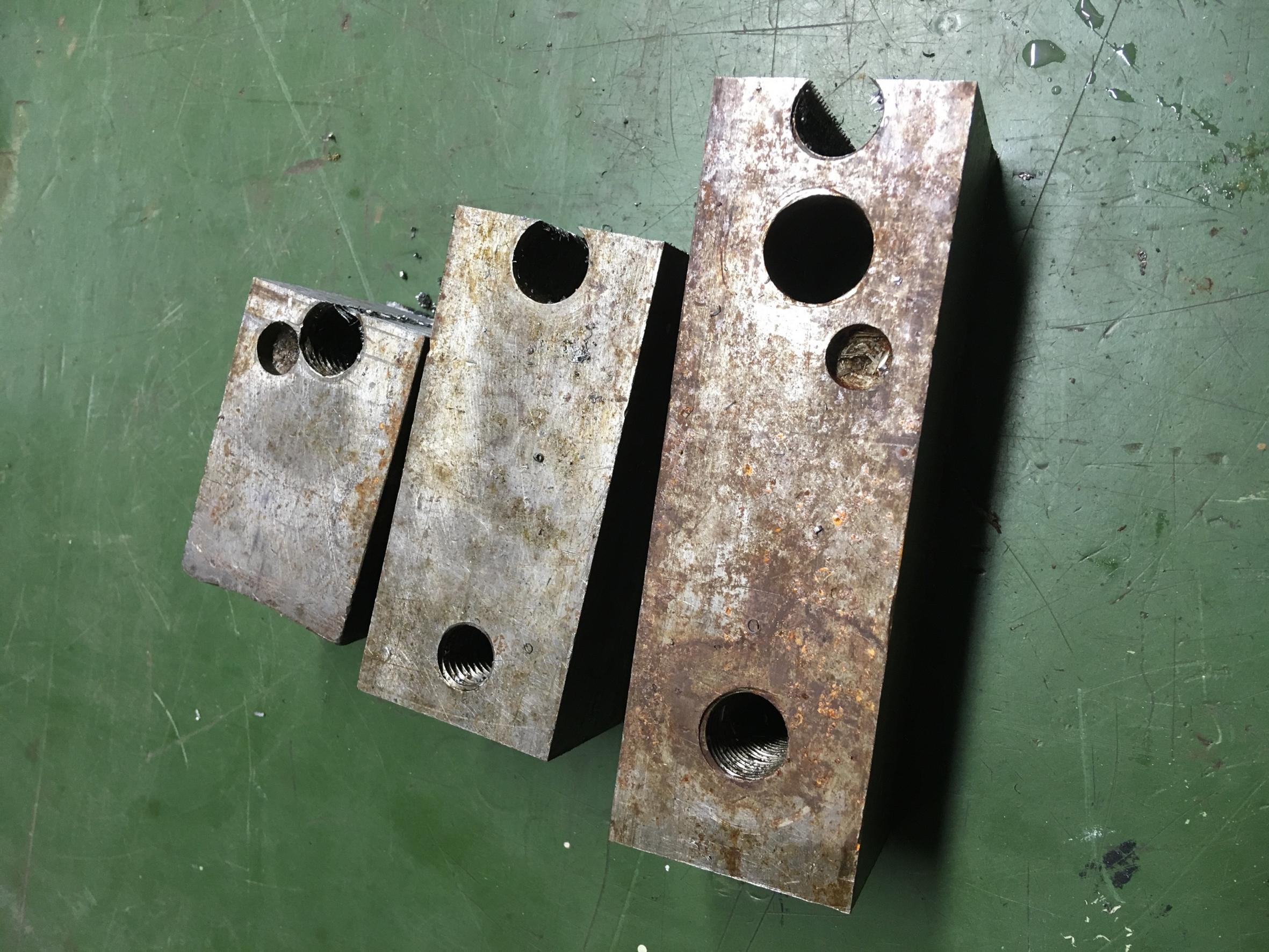
I called a local material stock holder who is very well priced. Well I had bit of a shock when getting a quote for some mild steel bar, for a project I wanted to start. After checking out prices else were the prices quoted were very competitive but out of my price range. So, after waiting a couple of months a piece of material turned up in a skip the exacact size I required. So, dragged it out (a bit rusty and had quite a few holes drilled in to it) but I was so happy with the find, As can be seen from the photos I was able to cut the pieces require for the project, missing the previously drilled holes in the bar.
The piece of bar is 50 x 50 by about 600mm long bright mild steel. grade unknown. The price of a new 3m length, I was quoted £200.00 + vat (well I nearly fell of my chair, good job I didn't have my head in a skip I would have fallen in lol, I honestly thought they had made a mistake.) I was expecting a price of £40/60 + vat.
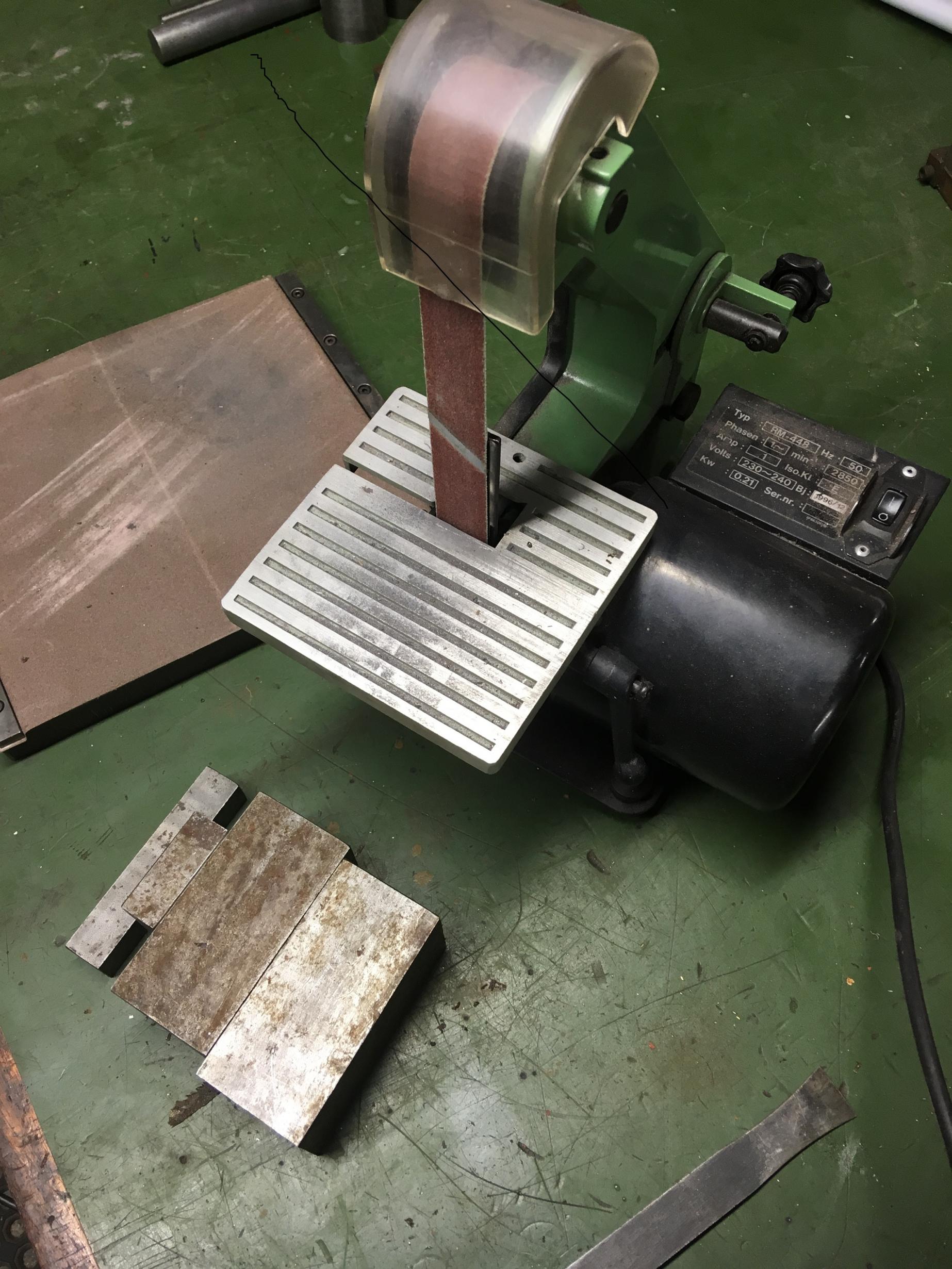
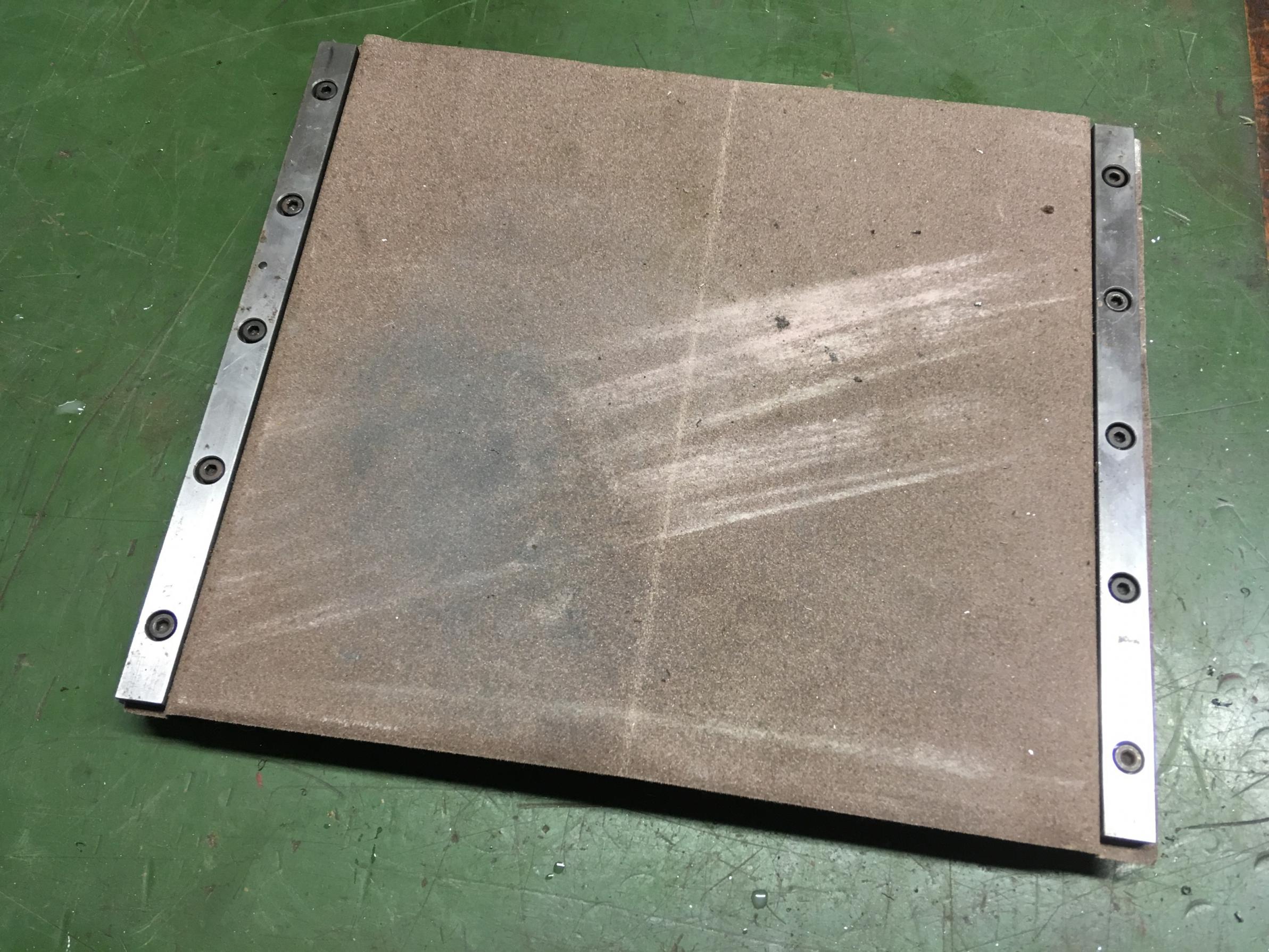
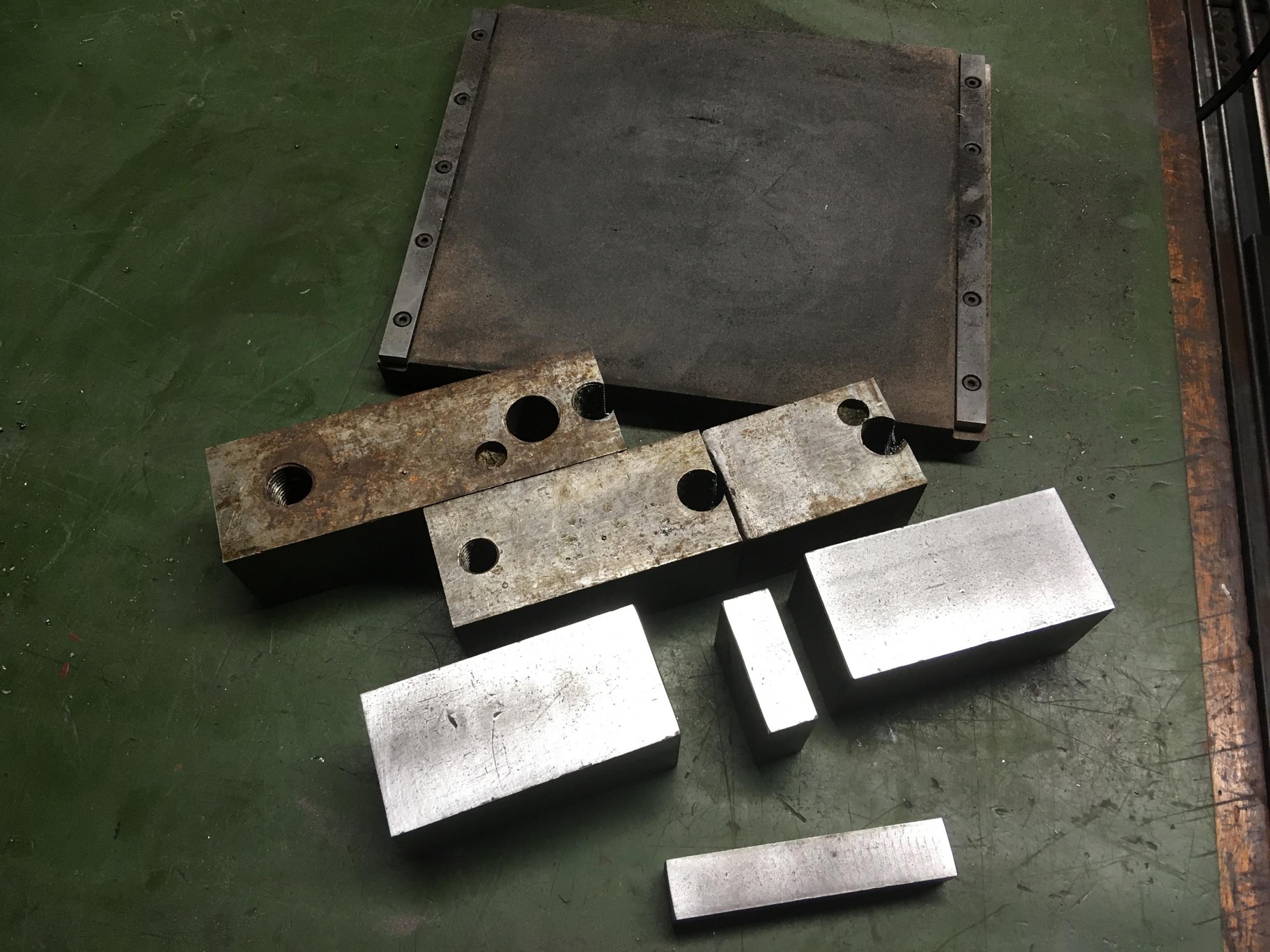
Here are some photos of the find, and how I cleaned the stock faces up on a home made lapping plate which holds an emery cloth taught on a flat steel plate. The 1” linisher is used to de-burr the sawn ends and the lapping plate removes any dings and dents that might be present on the bar. I do this even to new stock material as you can’t guarantee the bar has not been damaged from the stockist and I dont want to transfer the dents from the material on to the machine vice or machine table.
Anyway, always on the look out for useful stock for the workshop but even more so now.
As can be seen once cleaned up a big money saver and still have a few cut offs left over for other projects.
Off cuts left over
linisher
Home made lapping plate
Required material cut and de-burred ready to used and the remaining offcuts
Thank you for taking the time to view and happy hunting.
The Home Engineer



 Reply With Quote

Bookmarks