
 LinkBack URL
 About LinkBacks

Thank you very much!
I have tubes with colored liquids, I'm undecided about fixing on the rest or use just as bubble level for the first implementation. I have also to print a label for the rotating turret, I'm still not able to engrave good lines, it's better to not destroy the surface
The best tuning options are:
- total height: useful to raise the distance between woofer and mid unit, I found interesting modifying this parameter to increase the voice and scene height.
-rotation and inclination useful above all with horns, aiming the listening position.
other minor adjustments are good in order to find the best position of the driver
-time alignment setting needs more way to be done, like a woofer or tweeter. The purpose is to adjust the distance between units. it helps accuracy and response. A pretty useful way is also to use a sound processor with active crossover, Dcx2496 for example has time alignment auto setting with microphone, pretty accurate also considering that's a PA unit.
I tried to give it a good finishing and above all, a good weight and stability.
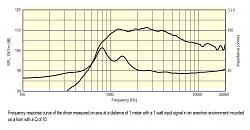
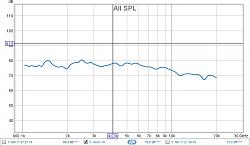
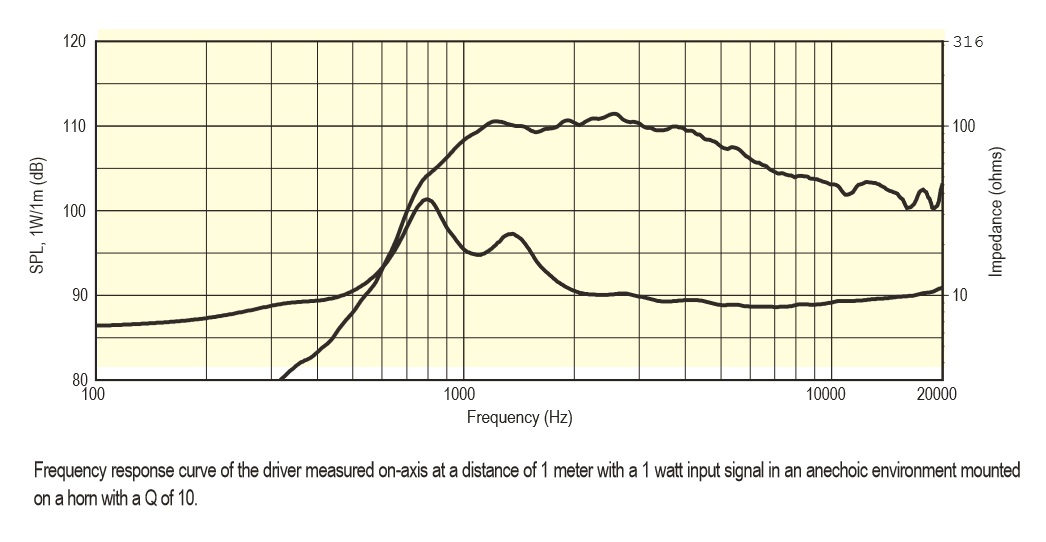
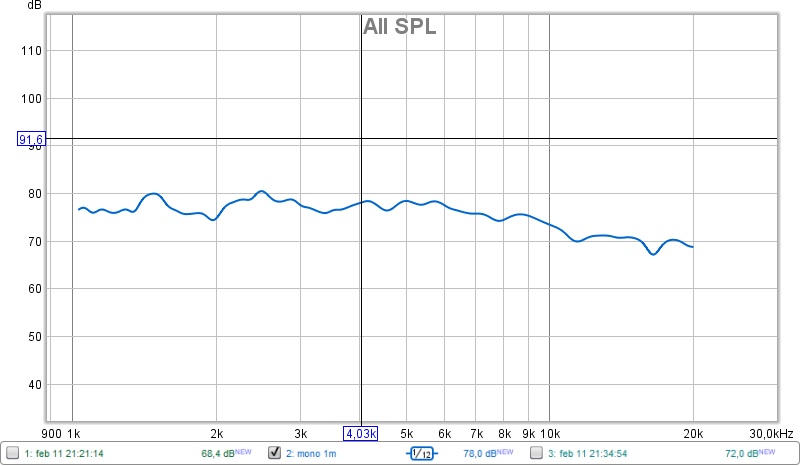
I made also the horn with lathe. I tried a fast measurement without setting the scale, the result is pretty impressive compared to original data from RCF brand (first picture). The second picture is the response at 1m, from 1 to 20khz. Considering the size of the diaphragm 1,75" with 1" exit I think it's a great result to have the possibility to use the driver up to 10khz with only a little equalization. With original PA horn it would be terrible for hi fi use.
The sound is awesome, acurate, fast, and not tiring at all. I tried a fast 2 way active with my 15" onken bass enclosures. I'm not a fan of 2 ways, too many compromises, in my opinion a large 15" should operate from 20 to max 500hz, I prefer cut from 150 to 250hz. A fullrange or a true midrange unit gives better performance in listening ina a critical area of fq. But that's only my taste



 Reply With Quote

Bookmarks