
 LinkBack URL
 About LinkBacks


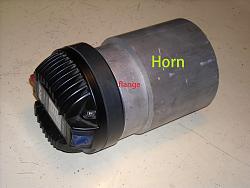
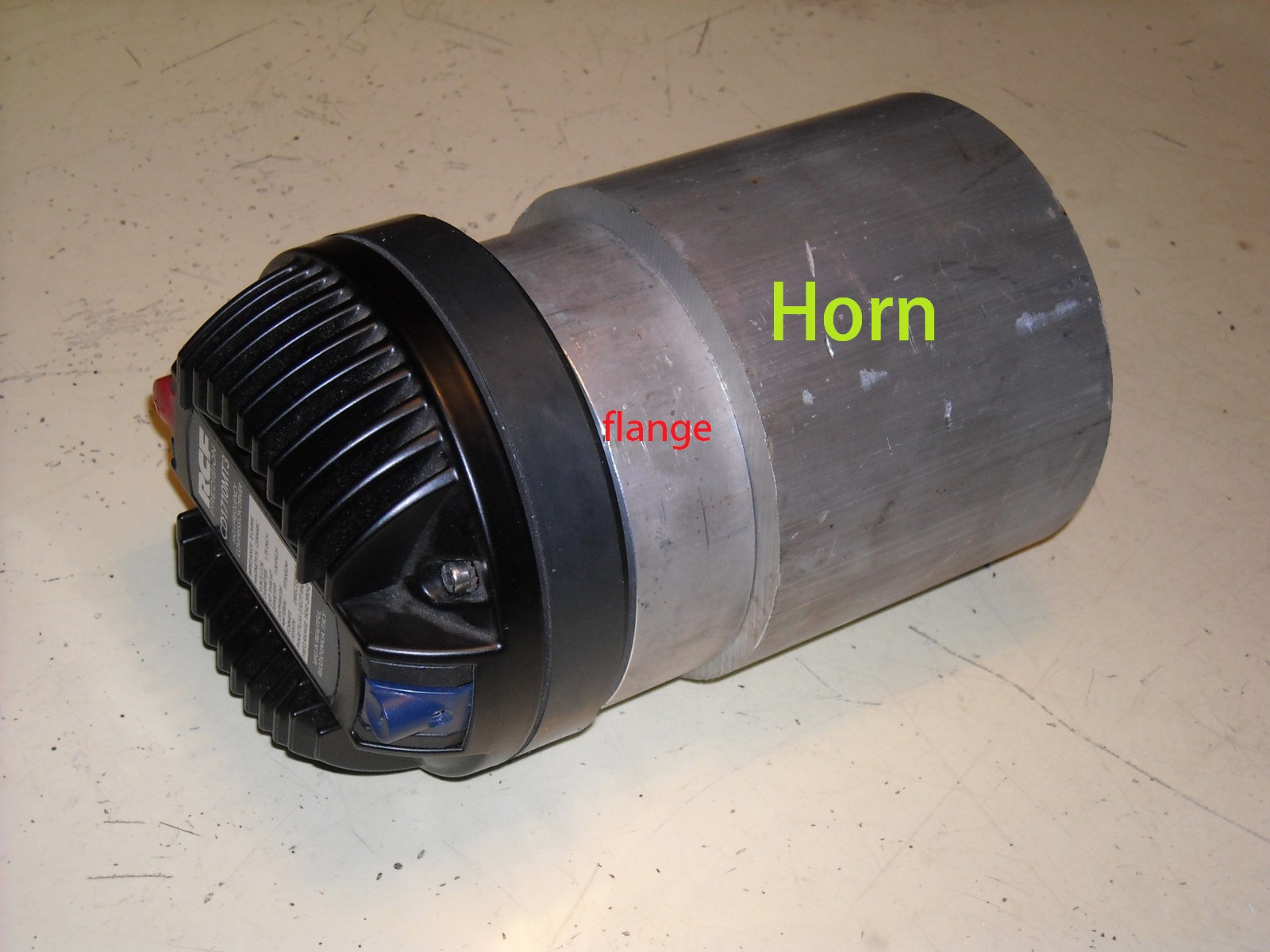
PJ you're right! that's only the flange, i have to made the real horn from the big round bar of 130mm dia.
Lenght is really important in the main horn profile, imho it's not so important adding a straight short cylindrical flange of the same dimensions of driver exit, but it's good only for diaphragm driver type). conversely adding short cyl after a cone makes differences. with cone the throat area of the horn is generally smaller than the the area of the cone, that's normal in order to obtain more pressure at mouth.
interesting point of view! you see good the range of the driver is between 2k-10k,impedence is not so high in 1k, but not so low.... imho for a PA speaker is good, for home ... eh!
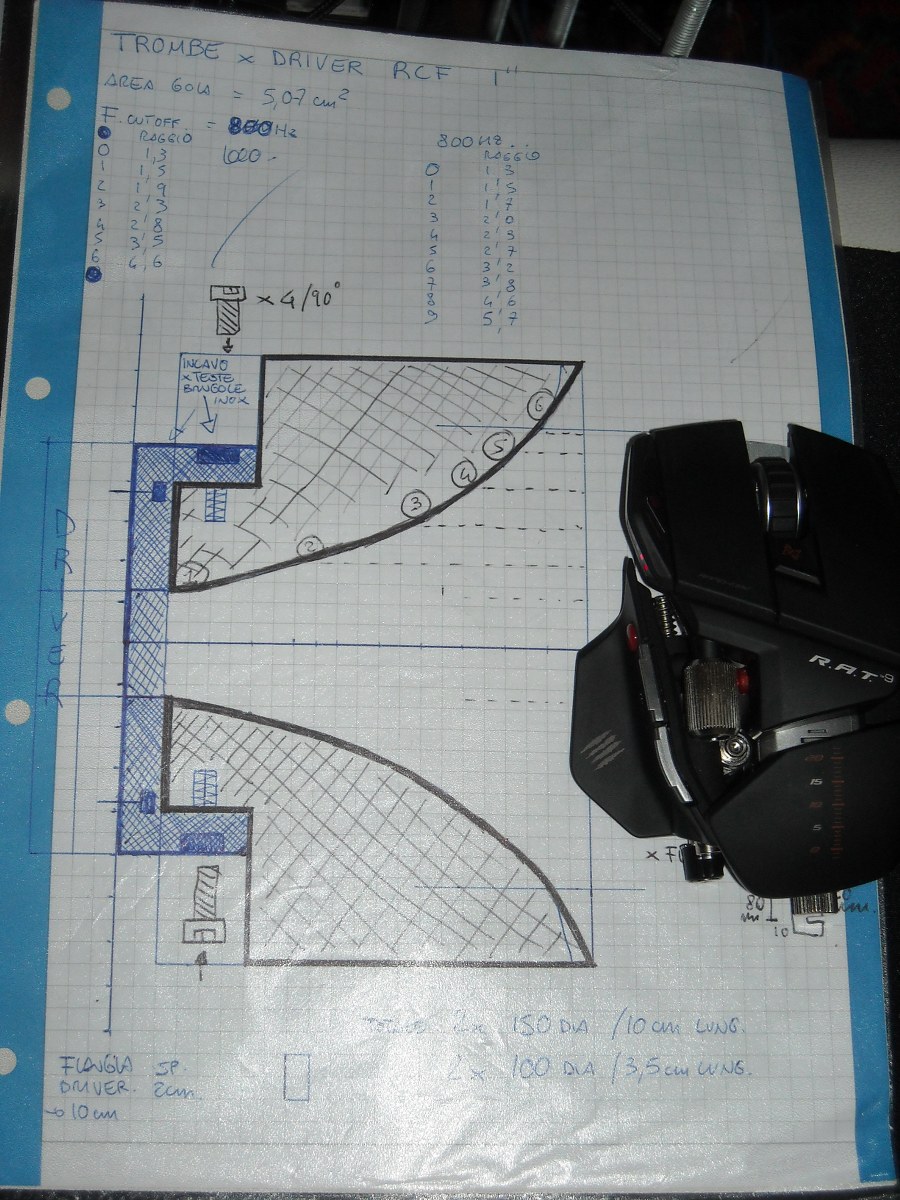
If we have to make an horn for a driver, it should have lower cutoff freq, for exemple: rcf from 1 to 20k, mid horn cutoff should be 800 or 700hz.
I remember someone modified in the past the rear chamber of some driver, maybe to obtain a bit more bass. I always knew that after a driver starts a simple horn, and no additional chambers needed.
i'm a self-taught, for sure I havnt the truth in my hand, the only thing i can do is reading, getting some formulas and making experiments
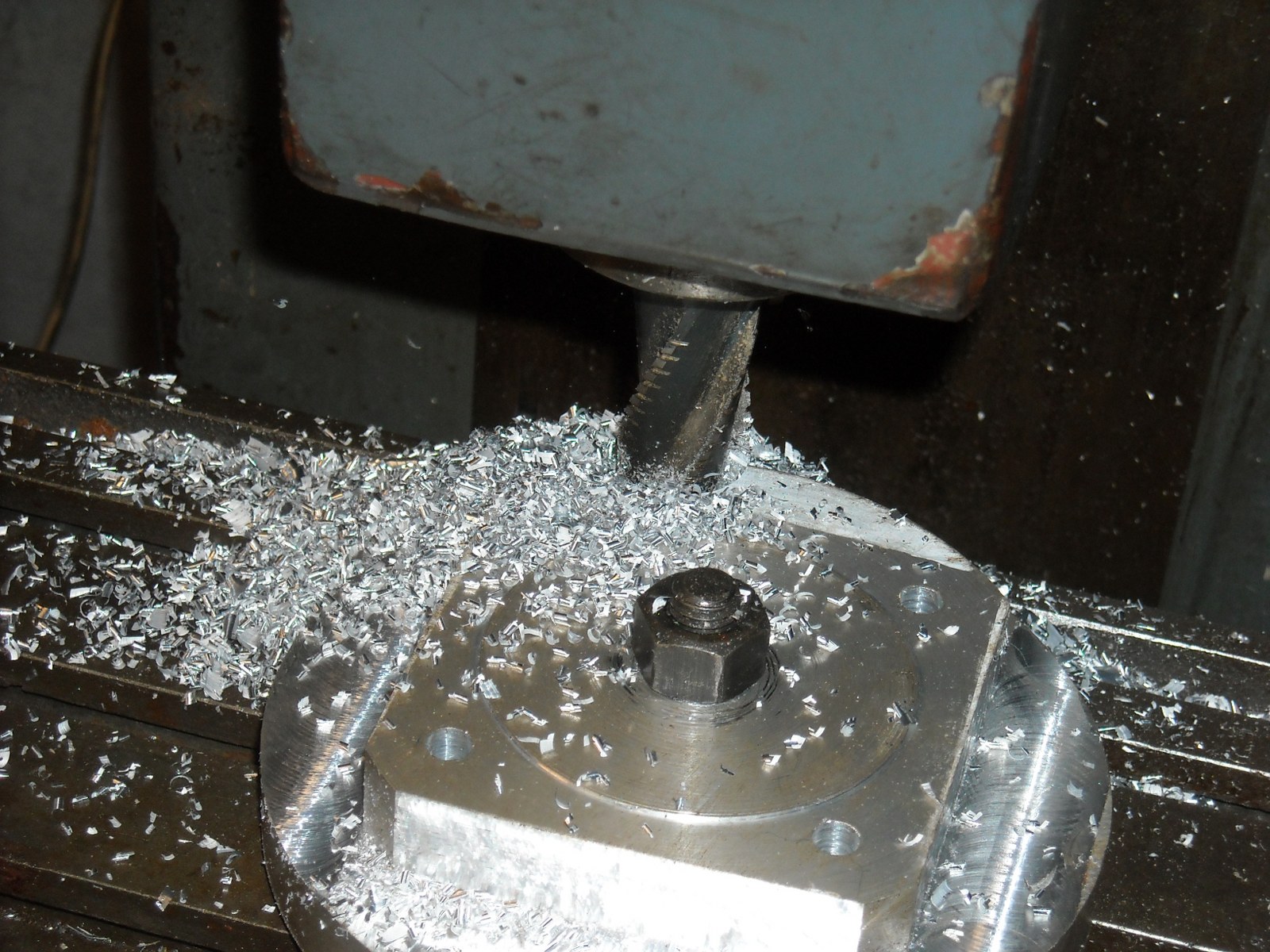
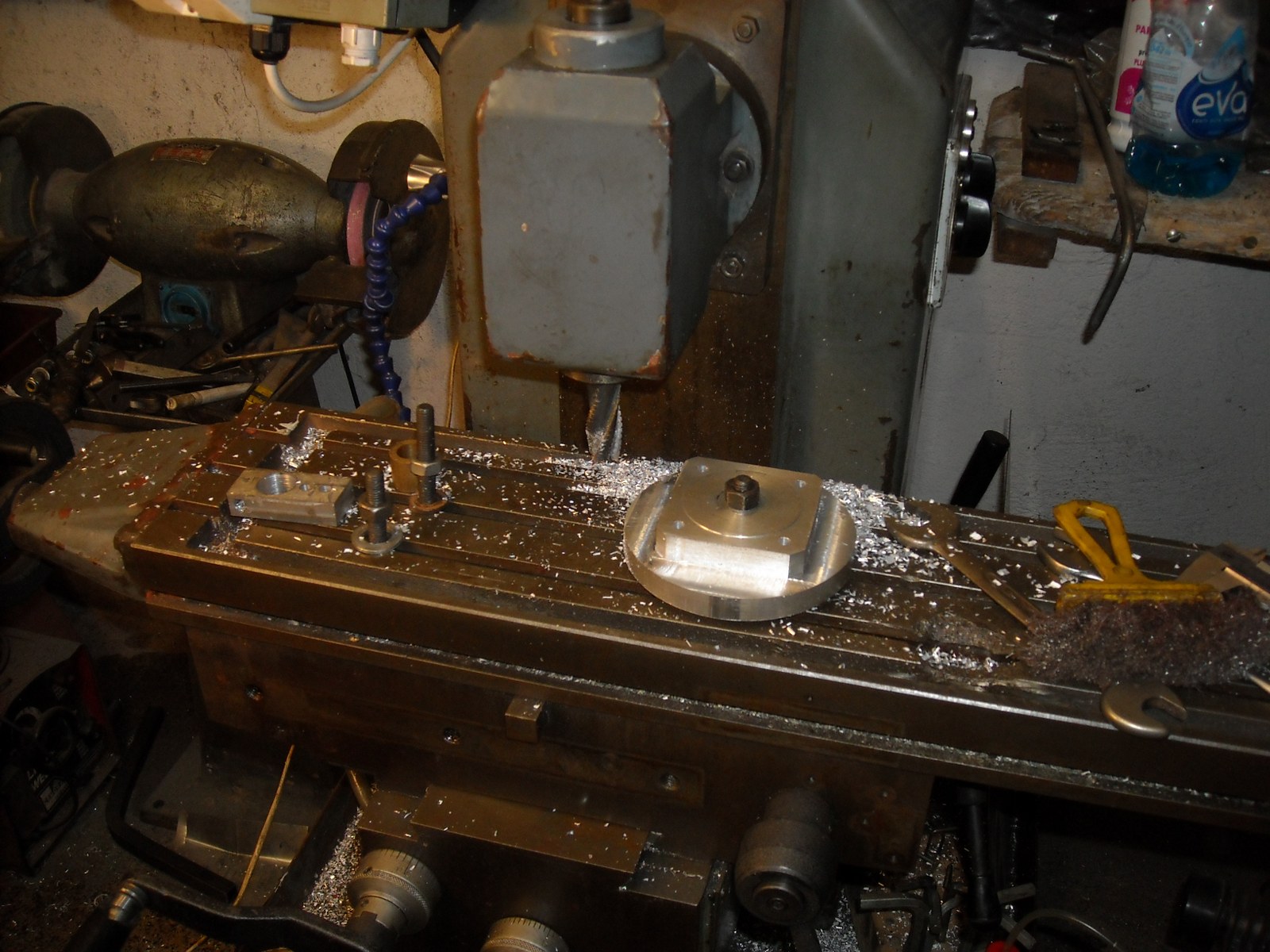
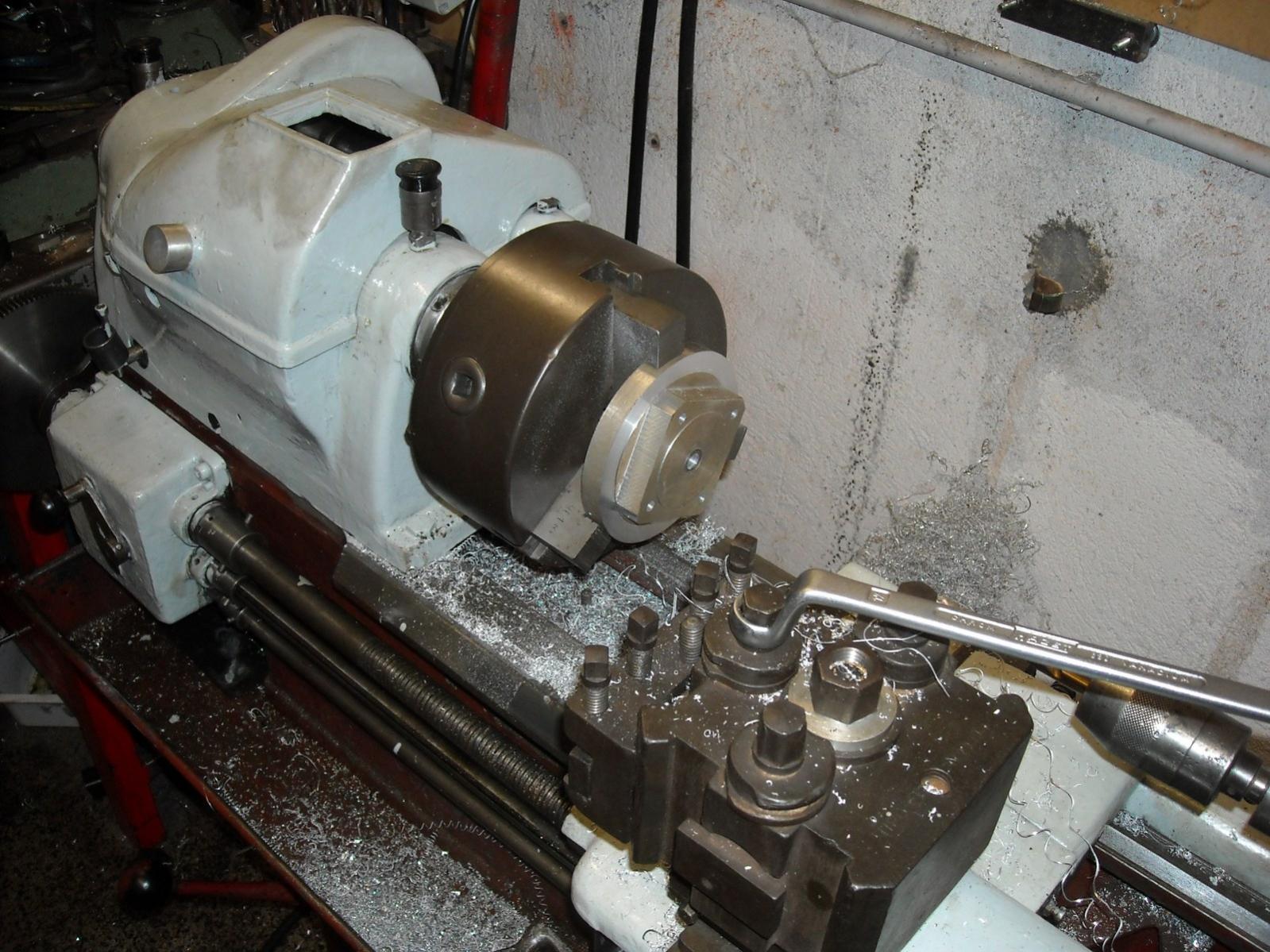
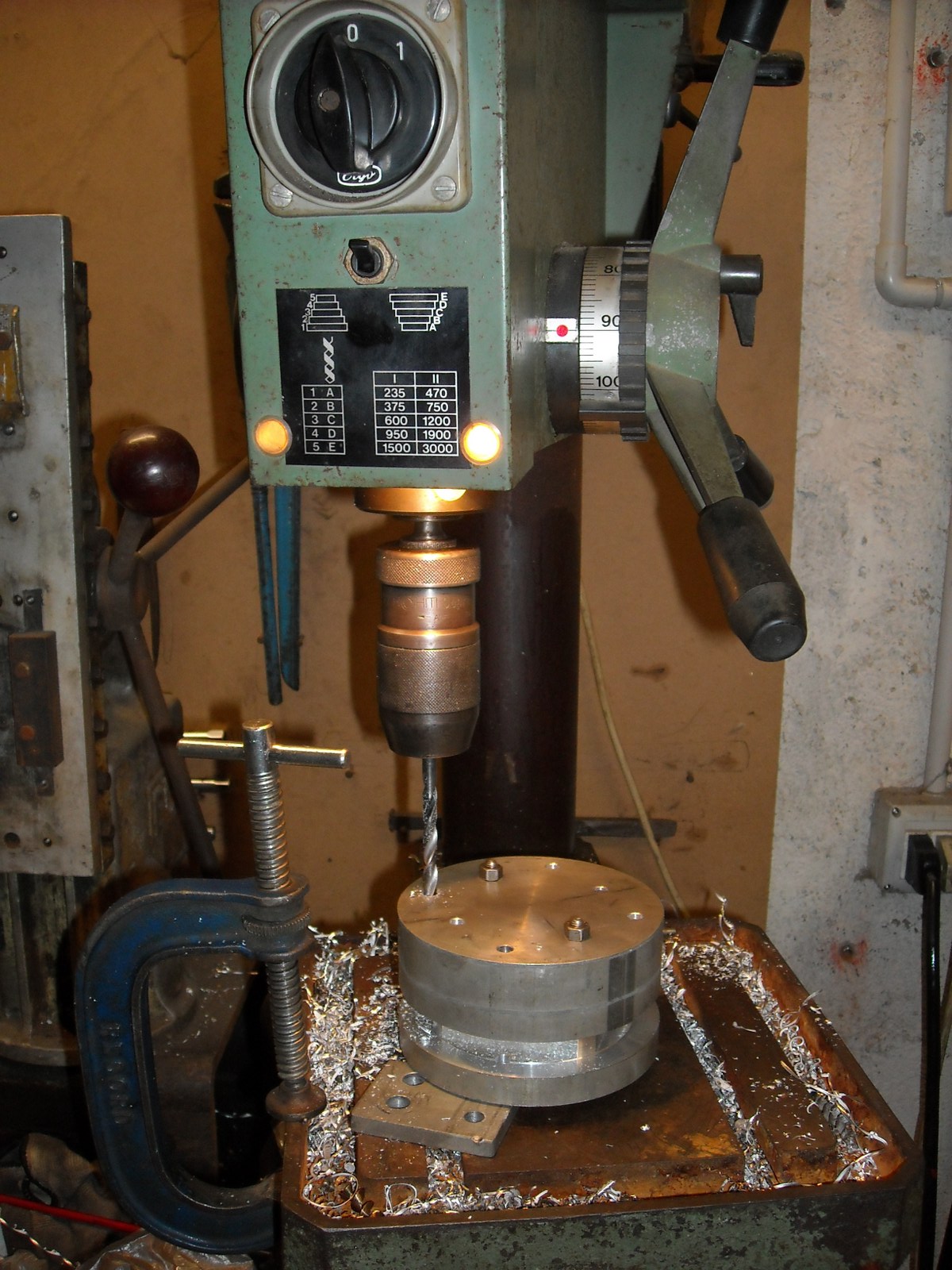
at the moment the flange has only a 10mm hole for locking on the milling machine, i left 15mm dia, when i will be near to complete the horn i will add the flange and i will fillet the 2 parts together.
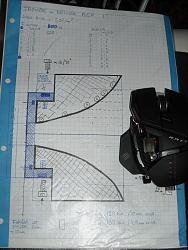
the project in the first pic is old, i made i think 3 years ago. the profile is the same.
The bad thing is that i'm learning to do things... i make one mistake after another





 Reply With Quote

Bookmarks