 LinkBack URL
 About LinkBacks
I don't see a tail rotor either, but the a/c would have been spinning if it was missing. the quality of the video probably is too bad to see it.





I don't see a tail rotor either, but the a/c would have been spinning if it was missing. the quality of the video probably is too bad to see it.
Stupid is forever, ignorance can be fixed.
It is (was) a Bell 206 or variant.Originally Posted by Hans Pearson

The tail prop can be hard to see if it is painted a solid color and filmed in somewhat low resolution and frame rate, as Floradawg mentioned above. It also doesn't extend past the lower vertical stabilizer, which is why the tail strikes didn't turn this into a much bigger accident.
Last edited by ductape; Jun 18, 2025 at 04:33 PM. Reason: clarity

Studying the video clip, I see a different scenario to the report. For a static ground test with no intention to fly, the cyclic and collective stick frictions would have be set tight to prevent inadvertent control inputs. With rotors at flying rpm speed with blade rotor disk tilted forwards as can be seen, it would cause the helicopter and dolly to creep forwards, which it does do at the start. Pilot would have noticed and his immediate reaction would be to pull the cyclic stick back just a little to stop it. But with frictions set, he would have had to pull it hard to force it to move and when it did it would overcontrol causing rotor disk to tilt way too much backwards and causing heli to pivot backwards. Then trying to control it with frictions still set is almost impossible resulting in very jerky control inputs which a clearly visible, and together with the hooking of the rear skid resulted in the crash.
In 30 years, I have never even remotely felt that even in strong wind gusts would lift my light helicopter up whilst the collective pitch lever was set down and cyclic stick is in rotor disk level position. A tornado may lift it off the ground, but I very much doubt a gust blowing parallel to the ground could. Glad the pilots survived.
The tail rotor is spinning too fast to see it. Hence why they are so dangerous on the ground and why more people are killed by the tail rotor than the main rotor.

There are currently 1 users browsing this thread. (0 members and 1 guests)
 Posting Permissions


 Reply With Quote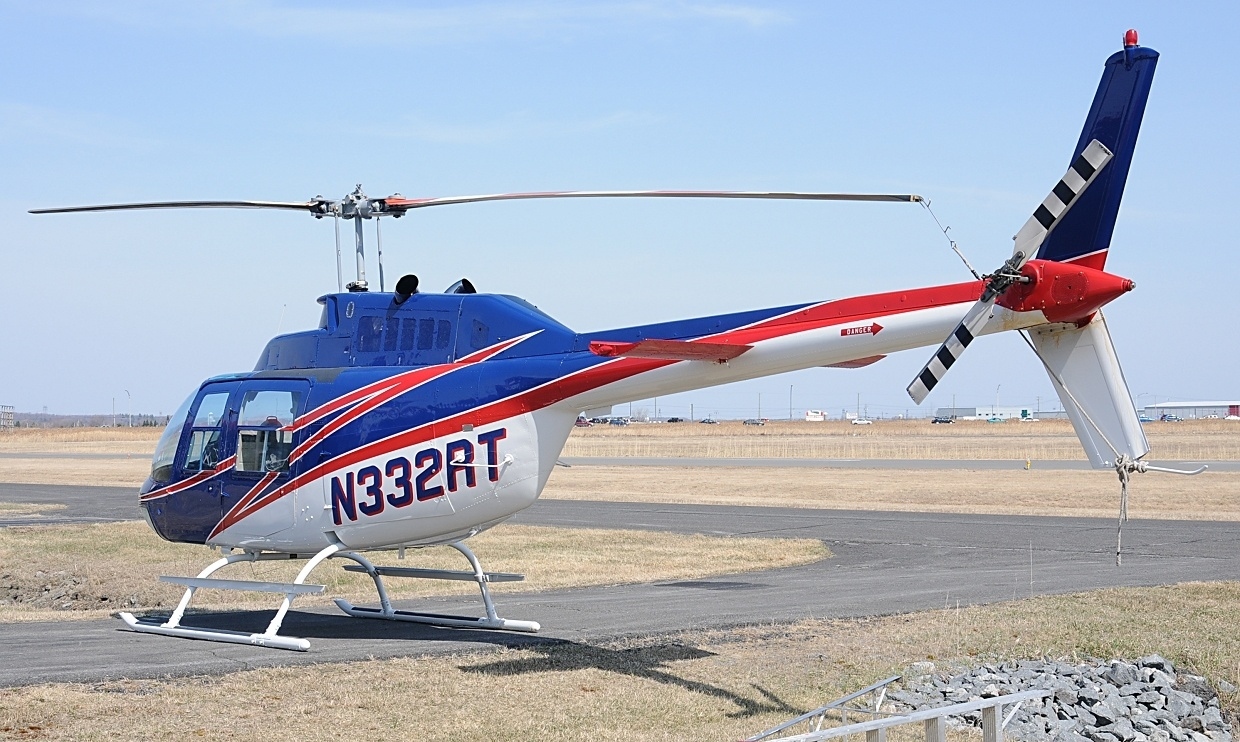
Bookmarks