
 LinkBack URL
 About LinkBacks


Hi All
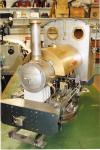
As I am making progress on my 2” scale Clayton steam wagon clutch mechanism I thought I would share how I silver solder small components.
The biggest issue I find is holding the components together during the soldering process so they don’t move. Over the years I have come up with several different solutions to this problem. The issue with silver soldering is a gap of about 0.05mm - 0.1mm (0.002” - 0.004”) is needed to allow the solder to capillary into and through the joint. So clapping tight together is a no no as the solder will only sit around the edge and not penetrate the joint.
So when tight fitting components are needed to be soldered like the examples you below these need to be addressed.
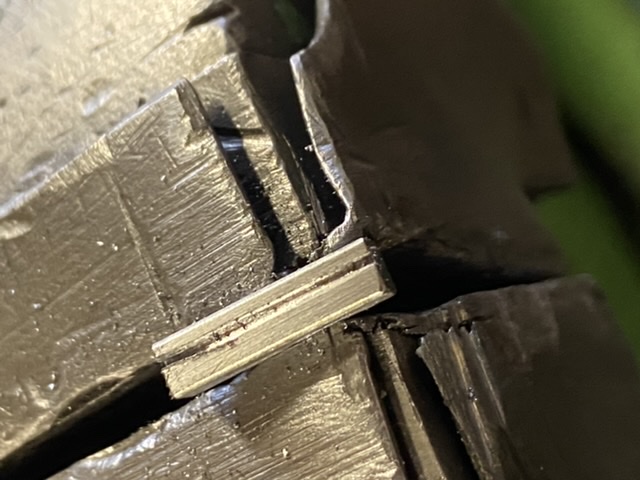
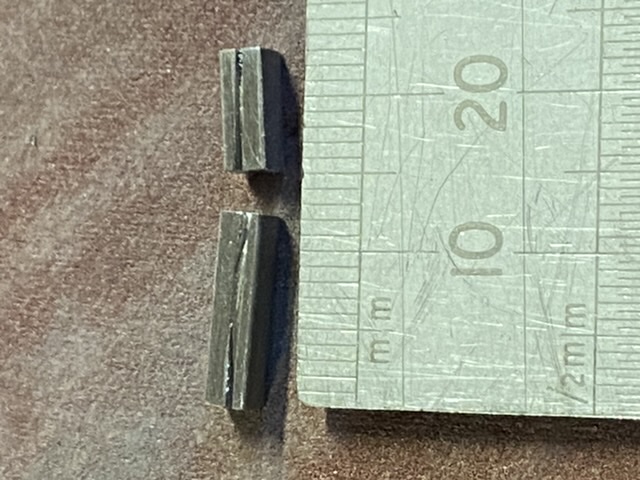
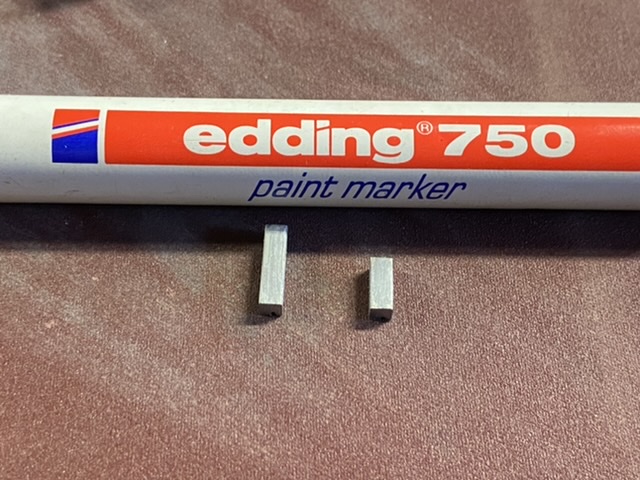
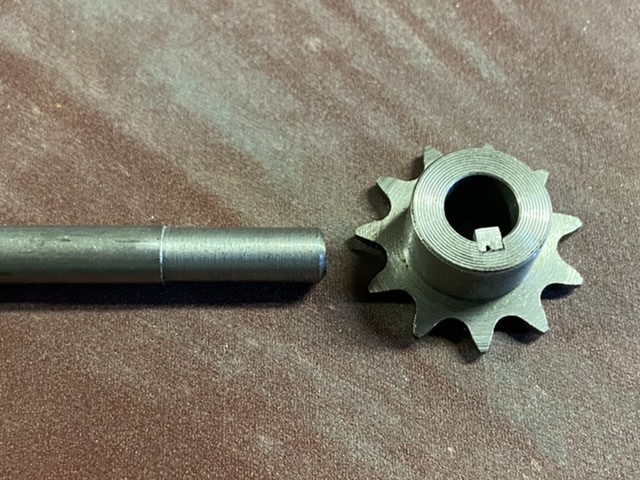
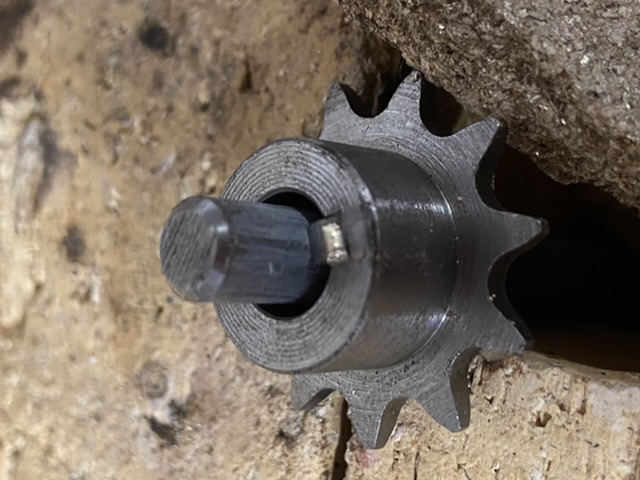
The first example is a key in a keyway. As the key is tight fit the the keyway the underside of the key is simply gouged in this case with a junior hacksaw so the solder can flow into and under the tight joint. To stop solder attaching itself to areas I don’t want it to be I use a paint pen to cover the areas to be protected as the solder will only capillary to clean surfaces.
Flux is a key component to obtaining a good joint. I mix the powder with clean water until it is slightly runnier than toothpaste. Adding a little water at a time.
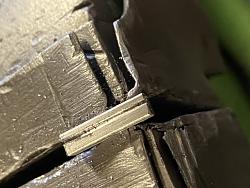
Junior Hacksaw groove.
surfaces painted with pen to protect from unwanted solder.
key in place and a sacrificial bar also painted to hold the key in place.
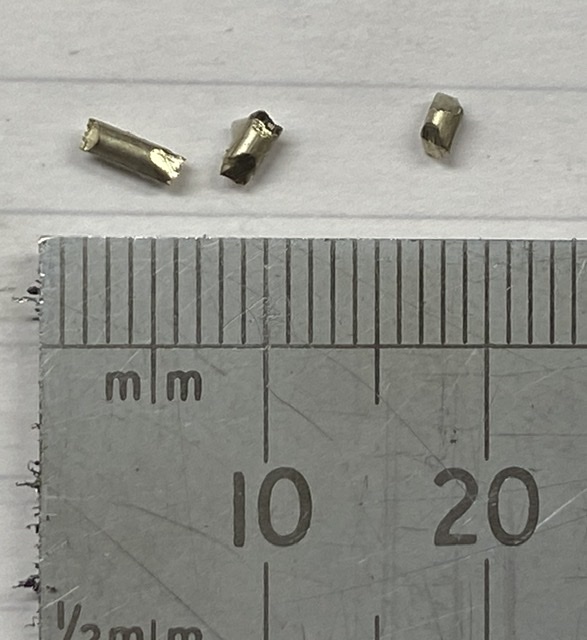
Ready for soldering flux has been added to joint. (note the small price of solder cut from a stick)
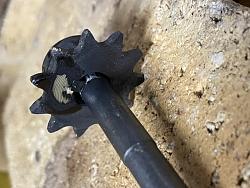
The solder has penetrated through the joint.
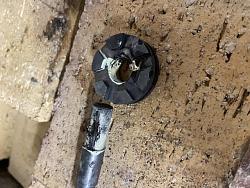
Sacrificial bar removed.
To clean in this case I use my shot blast cabinet but if it was a pressure fitting it would go into a acid bath. (Water and Sulphuric acid: Safety note add acid to water)
Second example:
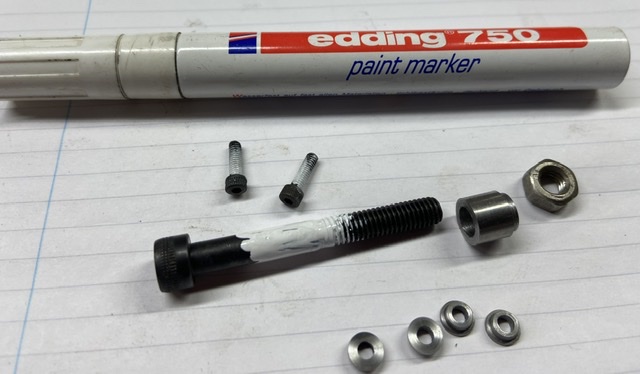
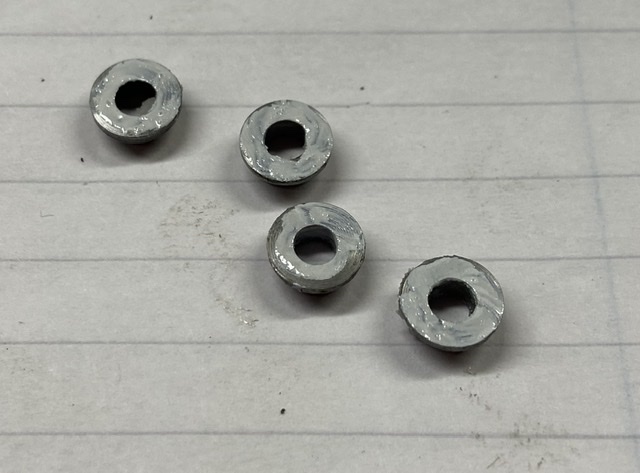
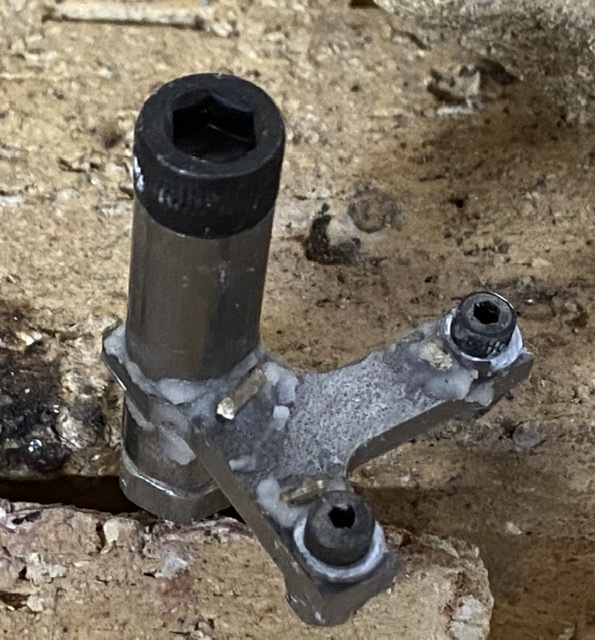
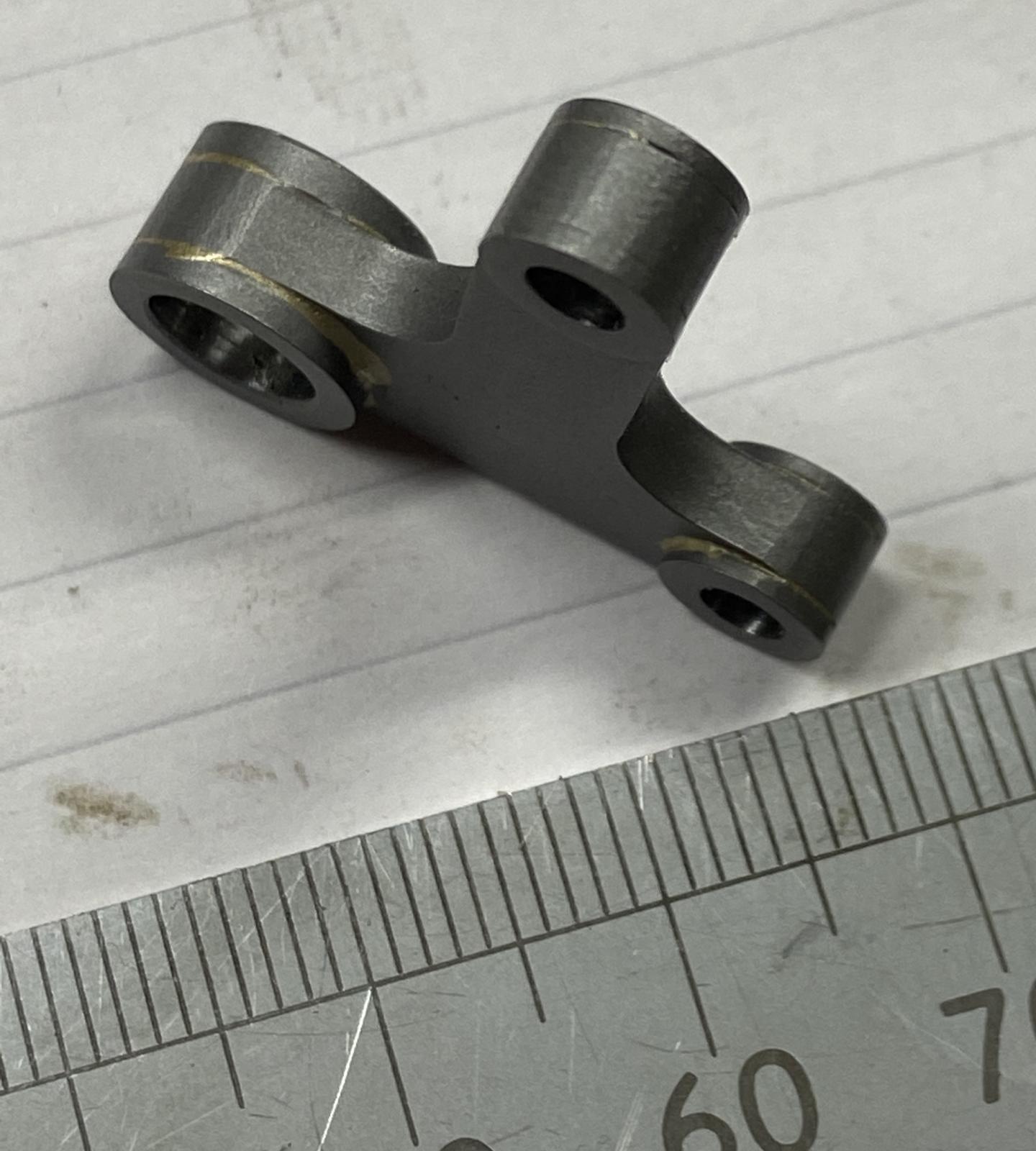
I have made a bell crank and held the pieces together with screw. Remembering to leave a gap. The bushes are made slightly wider than the mating plate so when clamped leave a small gap. The bushes are a slide fit. The screws holding the pieces together are again painted so any chance of solder bonding these in place is eliminated.
components tone soldered
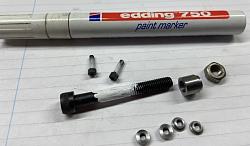
Both clamping bolts and components painted.
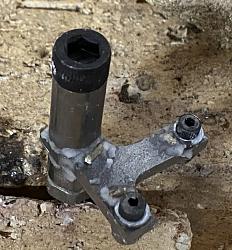
fluxed up and solder in place. No such thing as to much flux!
soldered am screws removed.
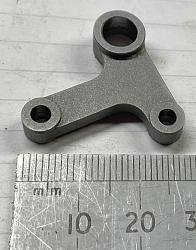
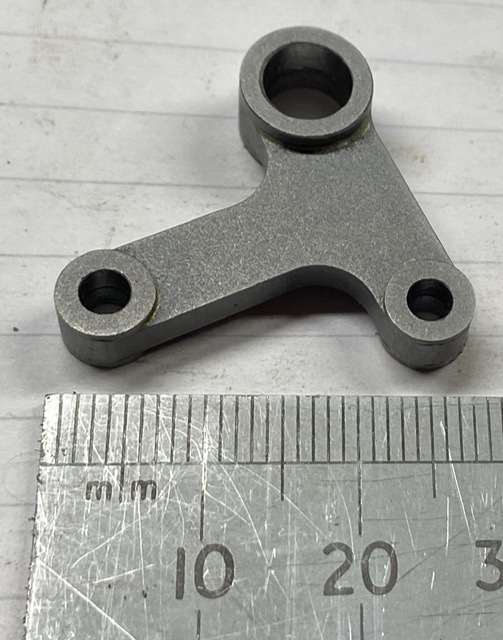
completed bell crank.
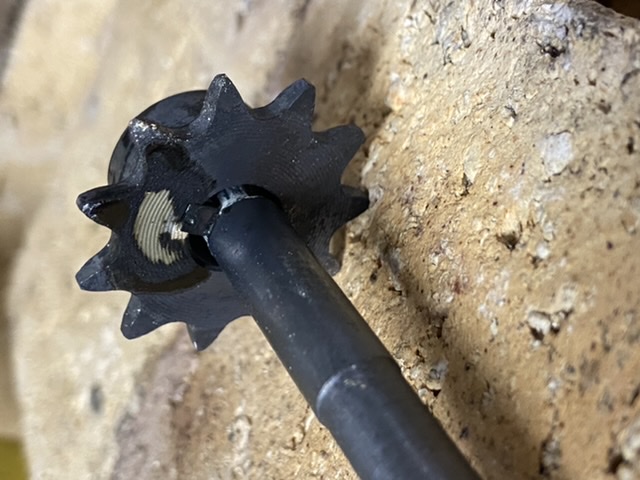
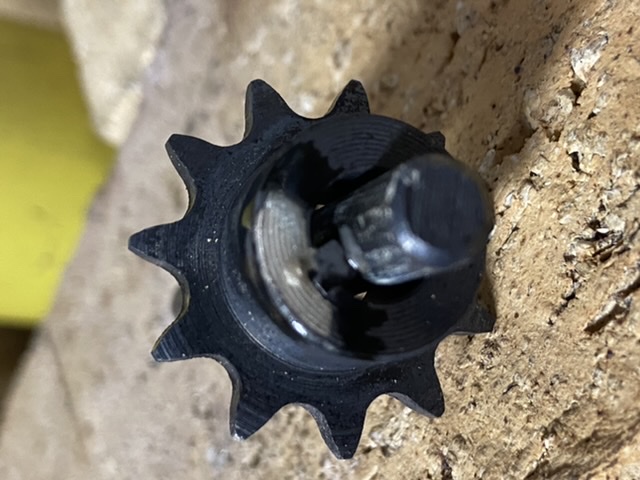
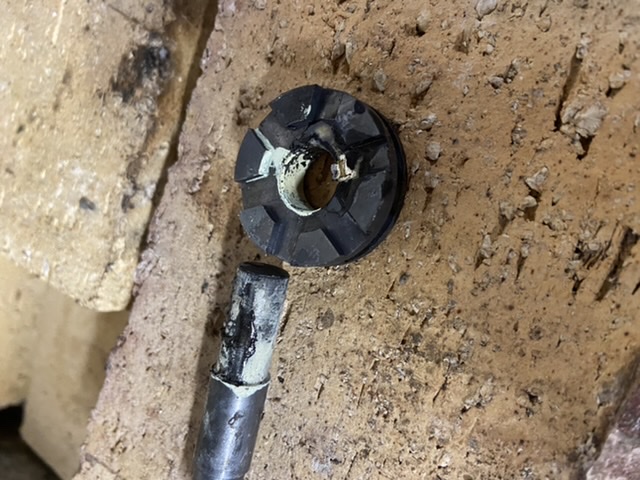
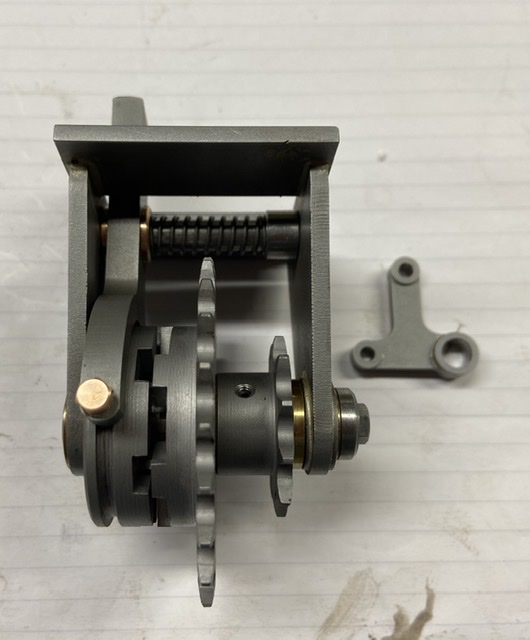
Dog clutch and bell crank.
Hope this will be of interest and thank you for viewing
The Home Engineer





 Reply With Quote



 Originally Posted by kngtek


Bookmarks