 LinkBack URL
 About LinkBacks
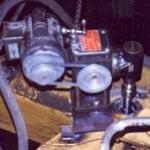
Tapmatic. By The Toyz. 12:09 video:
Previously:
Carbide insert tool holder made without a mill - video
Lathe carriage - video
Lathe tailstock - video
Lathe tool from circular saw blades - video
Lathe compound slide - video
DIY chain wrench - video





Tapmatic. By The Toyz. 12:09 video:
Previously:
Carbide insert tool holder made without a mill - video
Lathe carriage - video
Lathe tailstock - video
Lathe tool from circular saw blades - video
Lathe compound slide - video
DIY chain wrench - video
New: BuildThreads.com - 300+ build posts/day (with photos)
emu roo (Jun 18, 2021), freddo4 (Jun 19, 2021), nova_robotics (Jun 18, 2021)

It looks neat, but I don't understand how this can work.
The detent based clutch requires the two halves to separate by some distance, lets call that distance z. So if tapping vertically in a mill or drill press, that will require that the distance between the workpiece and the chuck or collet be forced apart by distance z. But that can't happen in a mill, and is very difficult to make happen in a drill press. So the clutch will remain engaged and you'll break a tap.
HobieDave (Jun 19, 2021)


I presume it works on the principle that if you stop the feed down, or retract the feed, the tap will continue tapping down until the drive disengages...
When taping I would never engage a power down feed for one the feed rate will never match the TPI or the MPT of the threads .Originally Posted by Isambard

This device is more of a feedback clutch once the torque reaches a certain level t is going to try and skip the operator would have to be aware of how much torque feed back is required to force him to let up on the down feed before breaking the tap. User awareness is the key factor here, what works for him may not work all that well for some of the rest of us.
A true tapomatic would reverse direction when lifting the feed handle
Never try to tell me it can't be done
When I have to paint I use KBS products
Excuse me but did I mention power feed? A drill or a tap has to be fed to engage with the work.
Like drill presses, turret mills have manual feed wheels or handles. Stop feeding or retract the quill
will cause the attachment in question to disengage the drive as the tap engages deeper in the work-piece.
Presumably spindle rotation is then reversed to back out the tap.
I guess we have to wait for the next video. If it works, I will be making one.
Bill

There are currently 1 users browsing this thread. (0 members and 1 guests)
 Posting Permissions



 Reply With Quote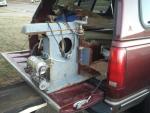
Bookmarks