
 LinkBack URL
 About LinkBacks


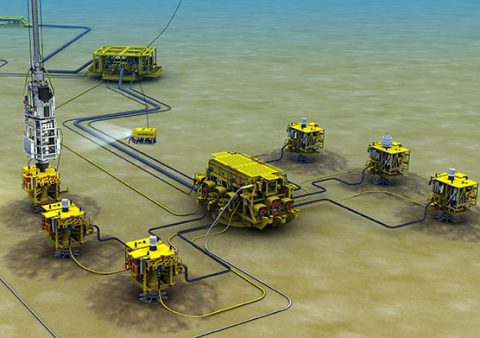
Risers, the product tube extending from the seabed tend to be vertical, you can get jumpers which link well heads and manifolds which will be horizontal but they tend to be dissasembled the same way they were constructed when they were installed.
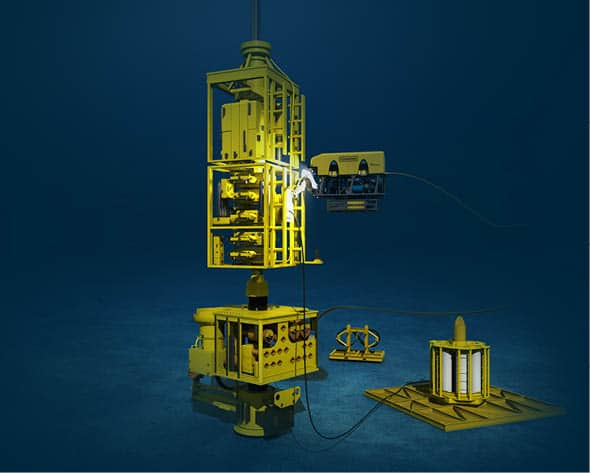
Risers are basically a tube inside tube (to use the propper term - pipe) a well will be drilled to a depth of say 50m at 26" diameter and a casing installed. cement will be pumped into the casing forcing the cement up the outside and bonding it into the hole. A new hole is drilled down the inside of the casing say 20" it is then also pumped with cement which again fills the gap between the casings. However the second casing might be 100m long. This operation is carried out 3 or 4 times ending up with a 10" hole/pipe 300m long. punching through is when the drill bit extends beyond the casings and into the well. The demonstration is a little bit of poetic licence, as you can see there would be quite a mass of steel to cut through. Id suspect that this equipment would have been deployed in the Gulf of Mexico cleanup and Deepwater Horizon especially. They work pretty well, its just a miniture version of Smit's big saw they used to cut up and recover the Costa Concordia.
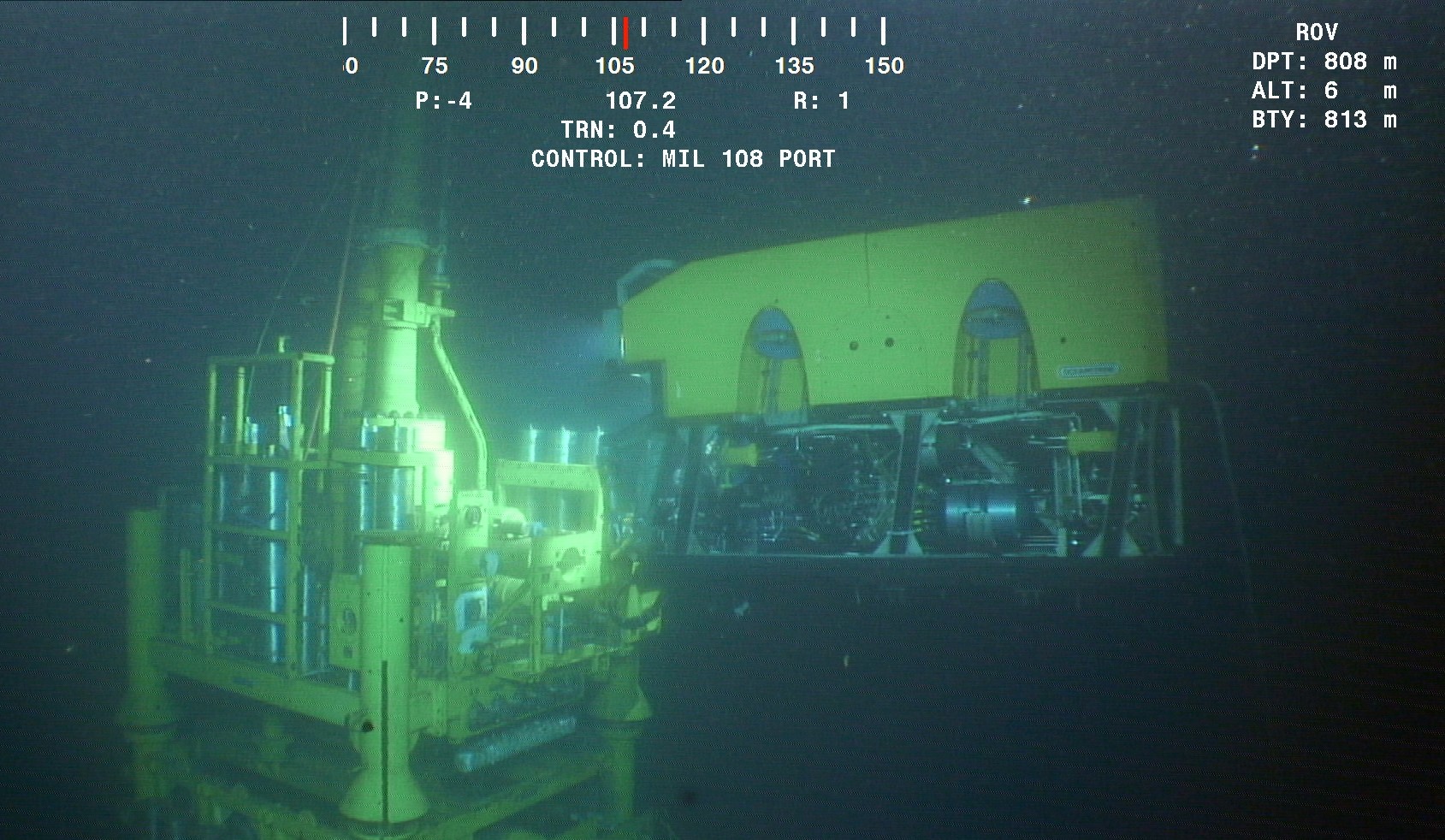
And what it really looks like - in clear water obviously
Smit are the boys, there expertise and sheer size of recovery is unbeleivable, they are taking heavy lift cranes to sea which would dwarf most land based cranes. The sea is not exactly a stable work platform and tends to be a bit spongy when you push weight down on it.



 Reply With Quote

Bookmarks