
 LinkBack URL
 About LinkBacks


Not surprising, not much info here, repeating the same thing three times.
Is there a single chart or reference that fits all? NO... Wish it were so, but it is not.
Wire of a particular gauge has a particular rating for differnt situations. For example, wiring has a rating based on it's type and shield temperature properties but also the spacing between conductors and how the bundle is constructed and the types of loads involved and if the wire is contained. Those are SIX independant variables.
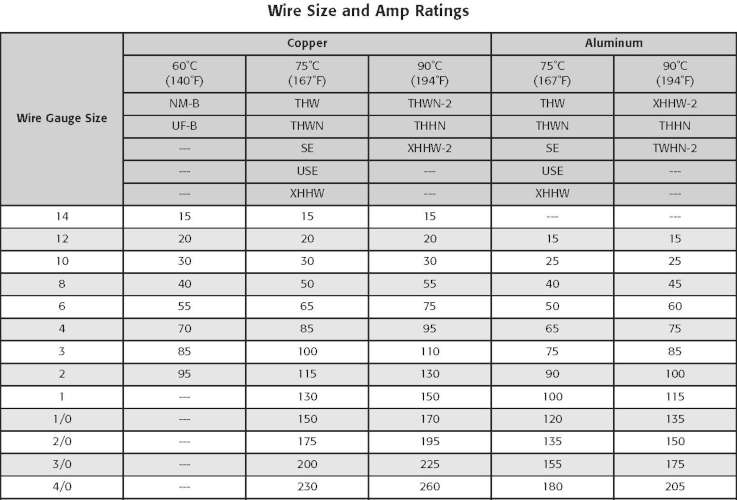
Here is a wire chart for in house wiring:
Seems simple enough, copper versus aluminum, temp rating of shields. This chart though is not the maximum rating of the wire to when it becomes a fuse, these ratings are the rated usage full time 24/7/365.
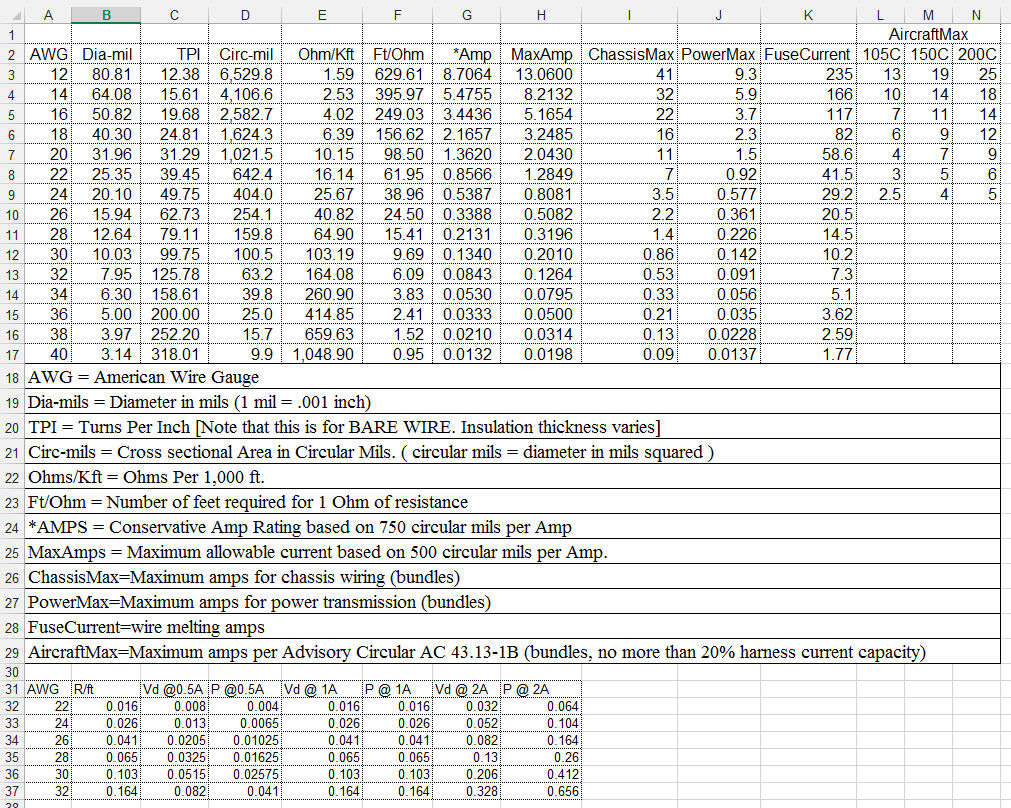
What are the fail ratings? See this chart:
Lots of things in the chart, but look at the column for FuseCurrent. That 14 gauge wall wire rated at 15A has a 166A FuseCurrent, so your breaker should trip WAY before the wire gets in trouble. Even the smallest wire he had (0.75 sq mm) is about 18AWG and that has a fuse current of 82 amps.
That chart has lots of other columns and what you do with the other columns requires more experience and knowledge than can be explained here.
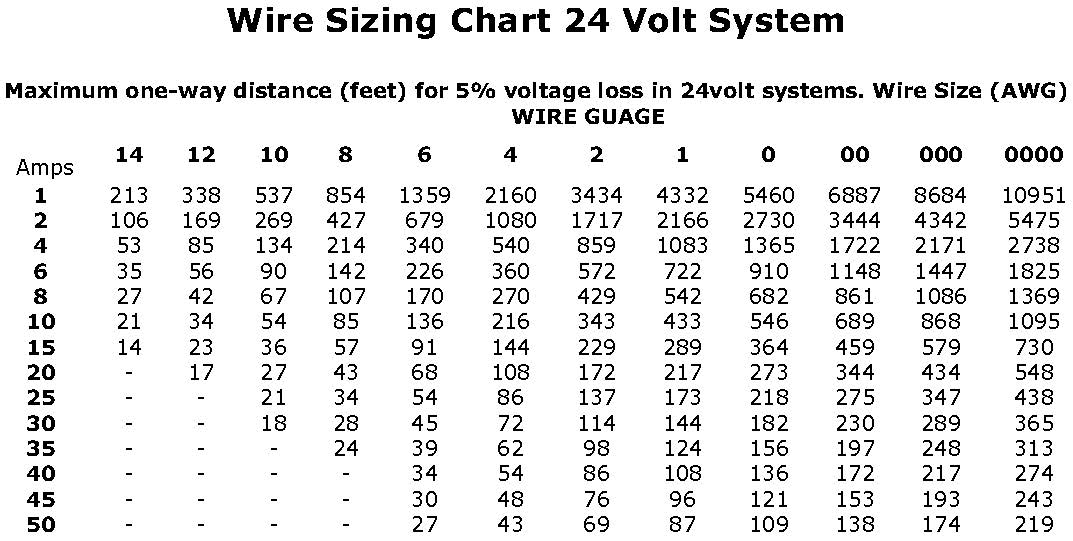
Here is another chart I used when designing equipment on 24v vehicles, in particular I was concerned about loss of voltage if a module was some distance away from the power source (once you plug in resistances, spreadsheets let you blow out a bunch of numbers):
Cords are rated generally by the conductor size and sometimes they care about how the wires are packed in the cord. It is unlikely that this guy's smallest cord would have failed, even in the situations he showed, but it is always better to have more copper than not, so go with what is bigger...


 Reply With Quote


Bookmarks