
 LinkBack URL
 About LinkBacks
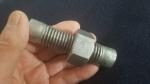

I have regularly used my articulating arm and noticed no degradation of clamping force over time. The mating surfaces between the ball bearings and the side brackets do wear with use but due to pressure rather than by rubbing together.
In use the clamp is kept loose until the correct position is found when it's then tightened very firmly. Adjustment whilst tightened isn't necessary so wear isn't an issue.
Wear with use would increase the surface area of the mating parts and allow greater friction between them anyway.
I used 10mm thick steel for the brackets and therefore didn't need to bend up the sides for added rigidity.
Use the largest ball bearings you can find, (mine are 25mm) and rusty (but wire brushed clean) is best.
A good source of free used large bearings is your local Caterpillar or heavy machinery dealer. Mine came from the main bearings allowing rotation between the body and tracks of a large excavator. The bearing was 400mm in diameter before I destroyed it to remove the balls themselves.
Also the plastic knob to tighten the assembly needs to be heavy duty, large in diameter and with a sturdy steel or brass insert for the thread. I used a 75mm diameter knob with an M12 thread. You need to screw it down tightly so movement is almost impossible.
The end result is extremely robust indeed.


 Reply With Quote


Bookmarks