
 LinkBack URL
 About LinkBacks


Why settle for a "yes/no" when it is no more expensive or more work to get some actual repeatable numbers. A bench that I built a long time ago for almost nothing, which used my smallish shop vac missing the filter, and for which I still have tested items gave results better than 1% when compared with my current machine. The only thing wrong with using simple manometers is that testing takes longer and results have to be either entered manually into software or you have to do it all manually.Originally Posted by crazypj

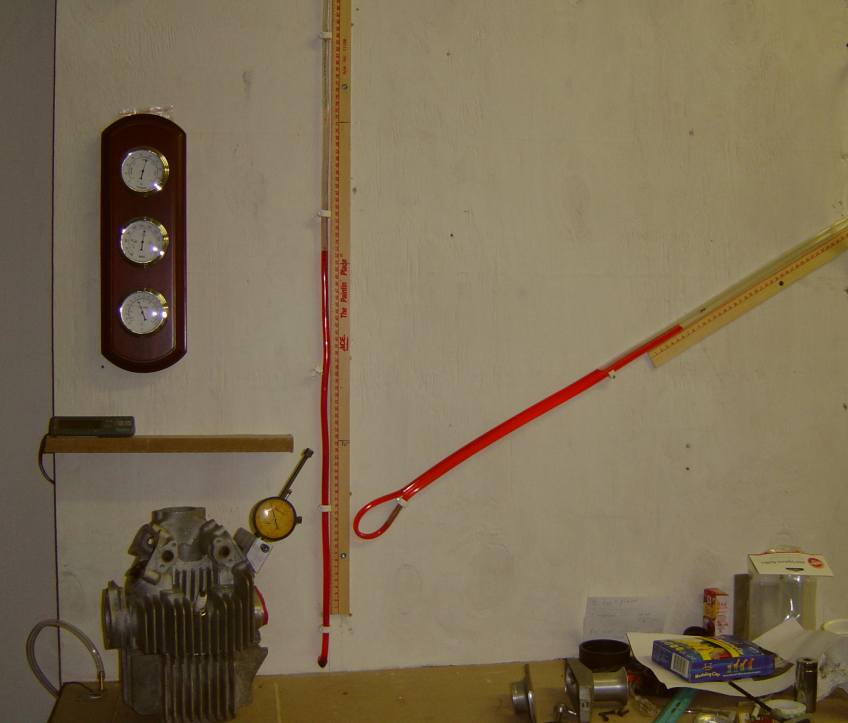
click to enlarge.
This was much later than my first bench but it is about as simple as it can be, but that does not detract from its accuracy. Note that even though this was all manual I still had a weather station there to calculate correction factors. Sometimes for budget reasons you have to make or use "yes/no" equipment but there really is no need for that with a basic flow bench. Having said that, there is a difference between getting accurate data from any testing programme and how closely that data represents reality. This is never more true than with flow testing. You take static flow measurements whereas reality is rapidly irregularly pulsing flow with liquid being injected into the stream.



 Reply With Quote


Bookmarks