Yup, I believe it, There is a family somewhere up state Washington that have bogs where they unearth hundred of years's old redwood ceder wood and have made a sizable fortune from it for furniture for the rich!
emu roo (Jan 1, 2026)
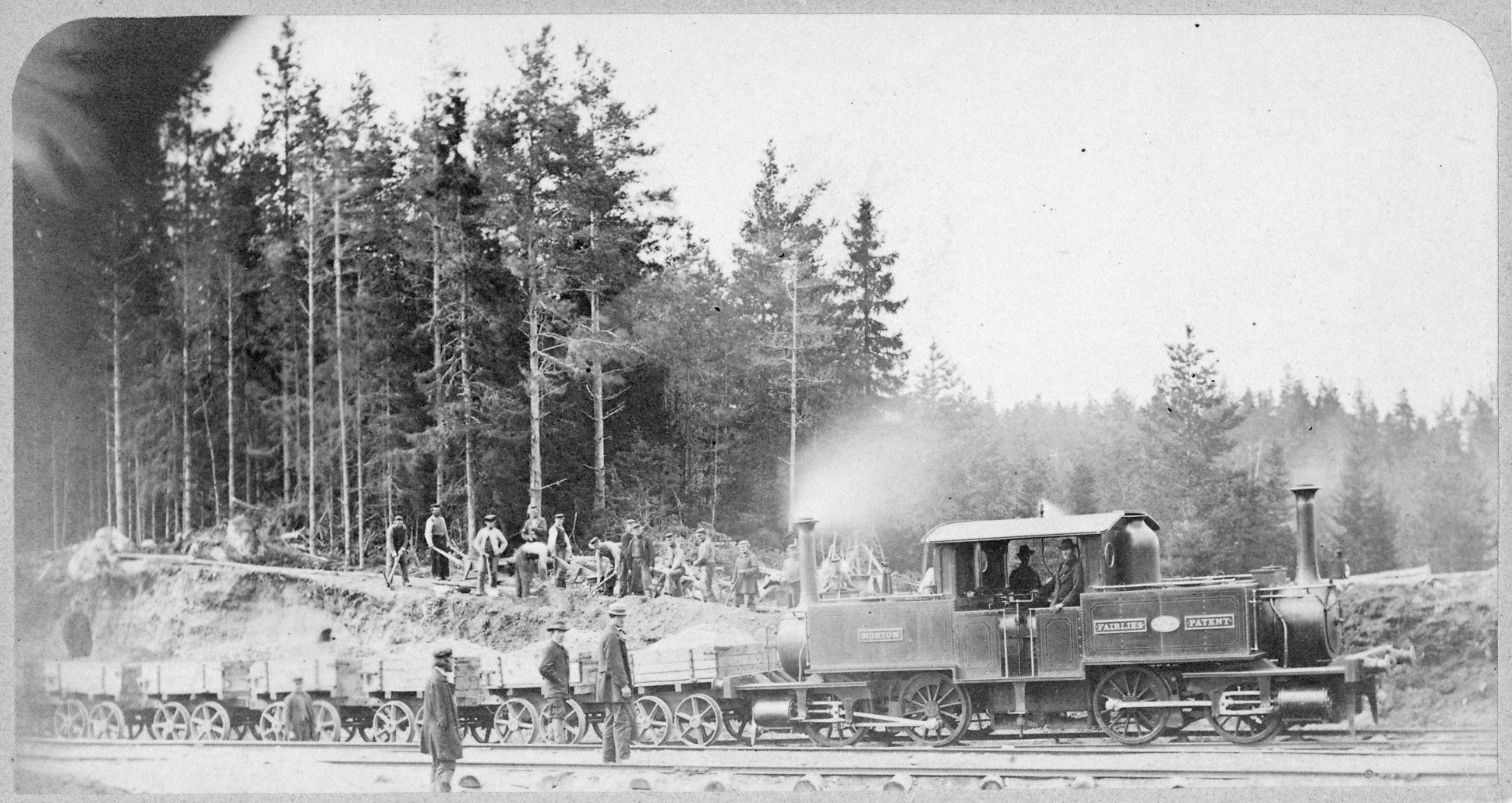
Built as standard gauge series number 2 of the FAIRLIE ENGINE AND STEAM CARRIAGE CO. LONDON.
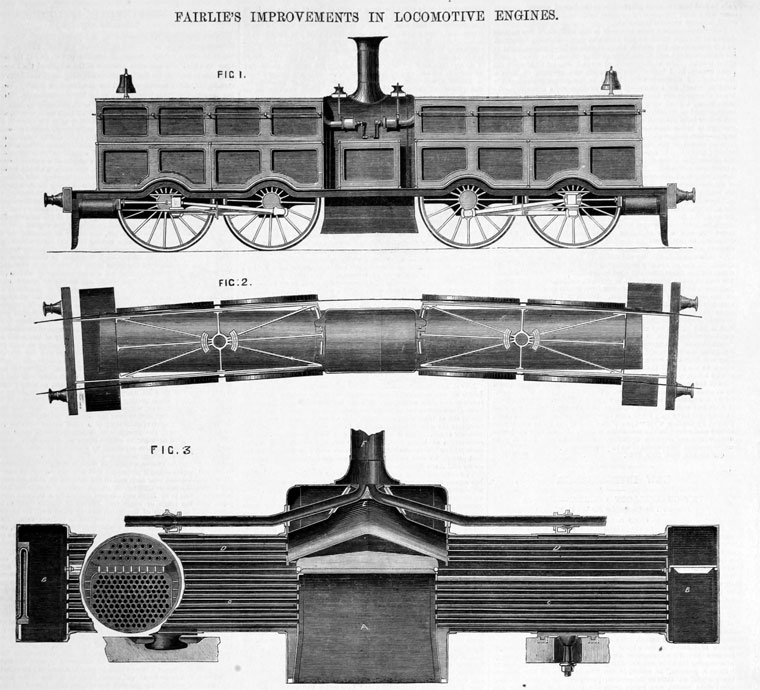
"Double Fairlies" were articulated, all wheel driven mostly for steep, small radii narrow gauge railroads.
The first delivered were to Ffestiniog Railway in Wales. (Note 1)
#2 was delivered as Nässjö-Oskarshamns Järnväg's locomotive #1, bought and renamed "Hultenheim" in 1874. (Note 2)
It was owned and used by the contractor, Morton's, for building the very same railroad during its first years.
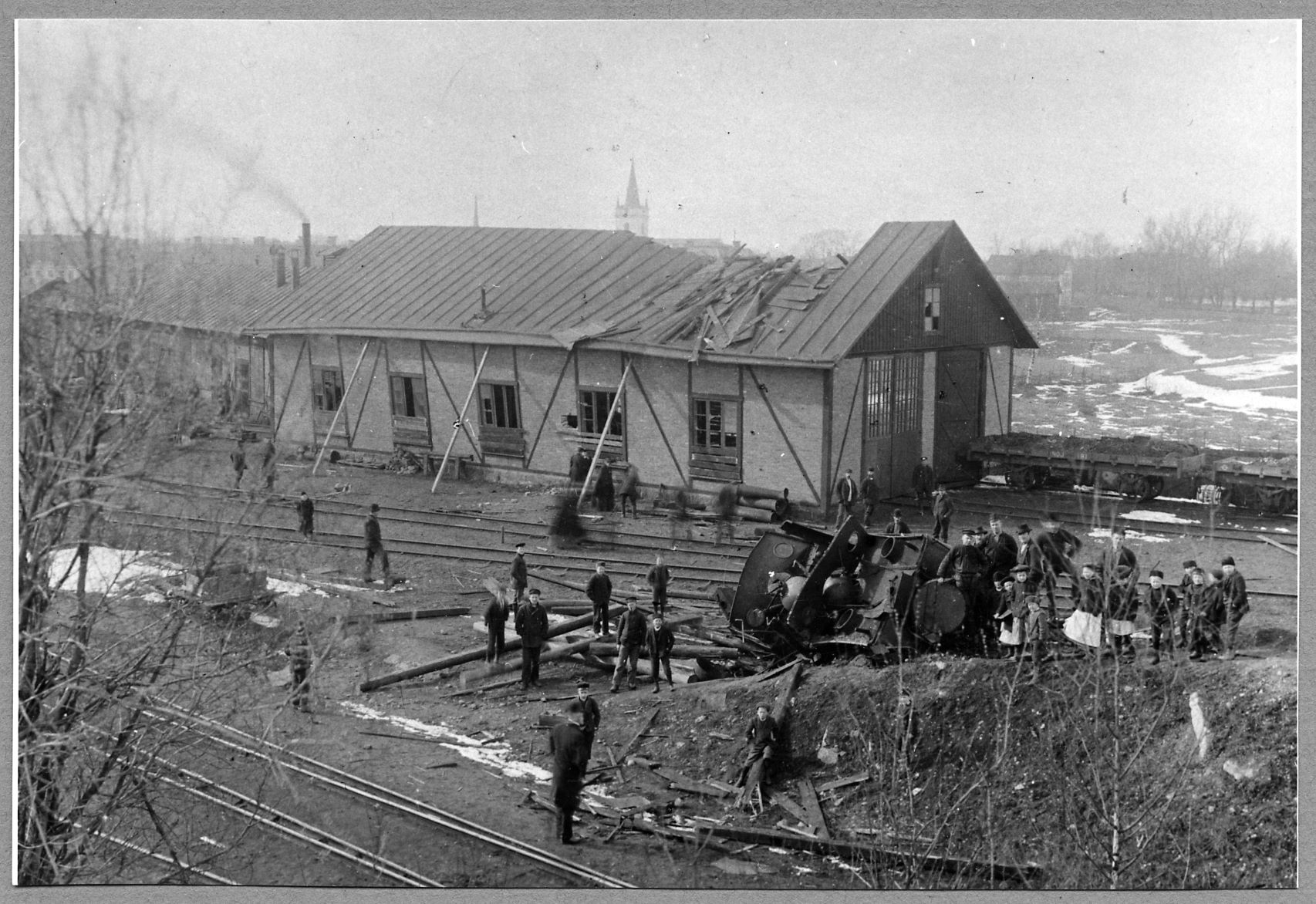
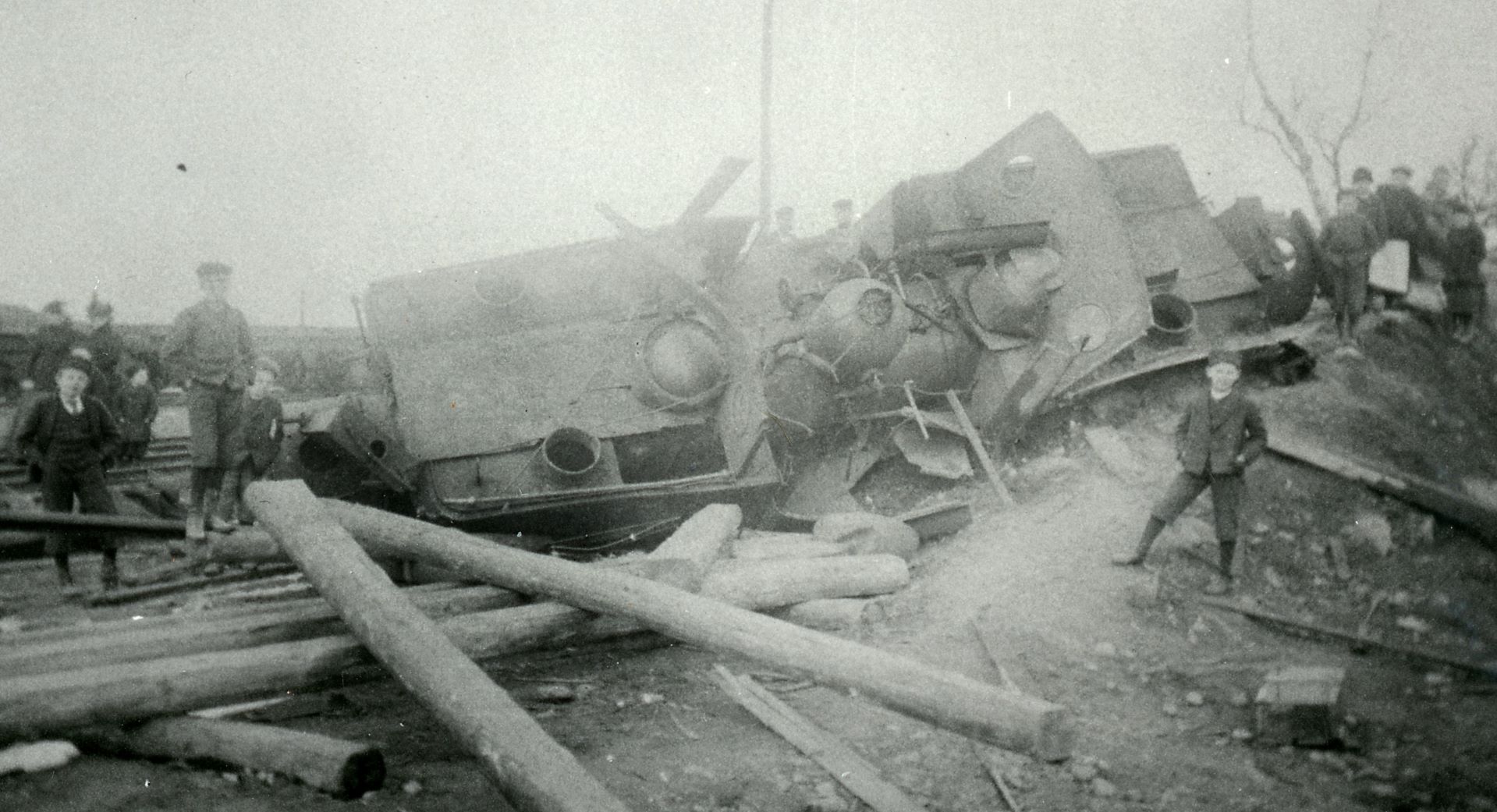
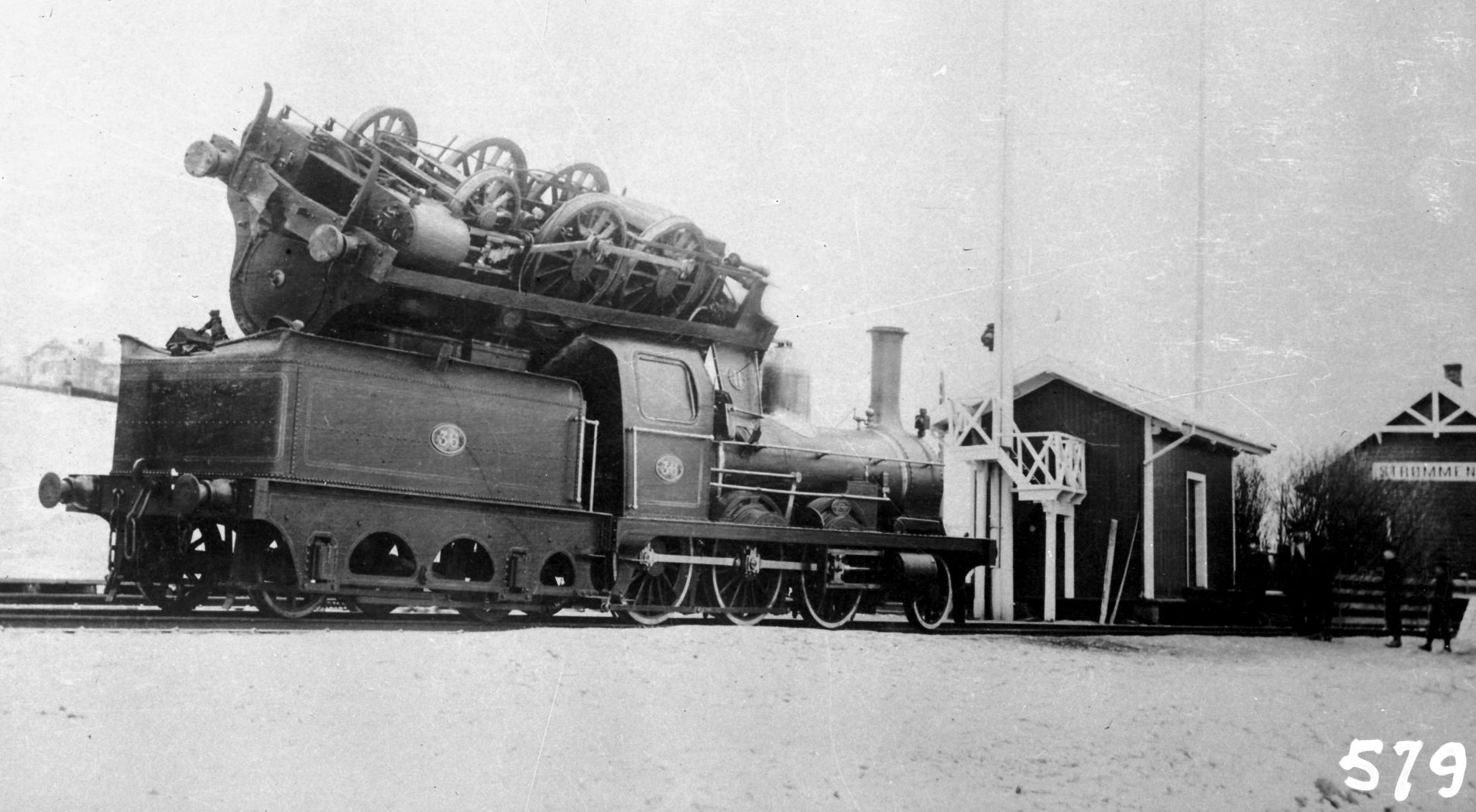
32 years later, at 11.25 AM on Tuesday, April 8th 1902, this had happened:
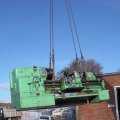
-What series of events led to a 28+ metric ton locomotive levitating upwards, out of its shed
and plummet down on a small hill 25 metres away?
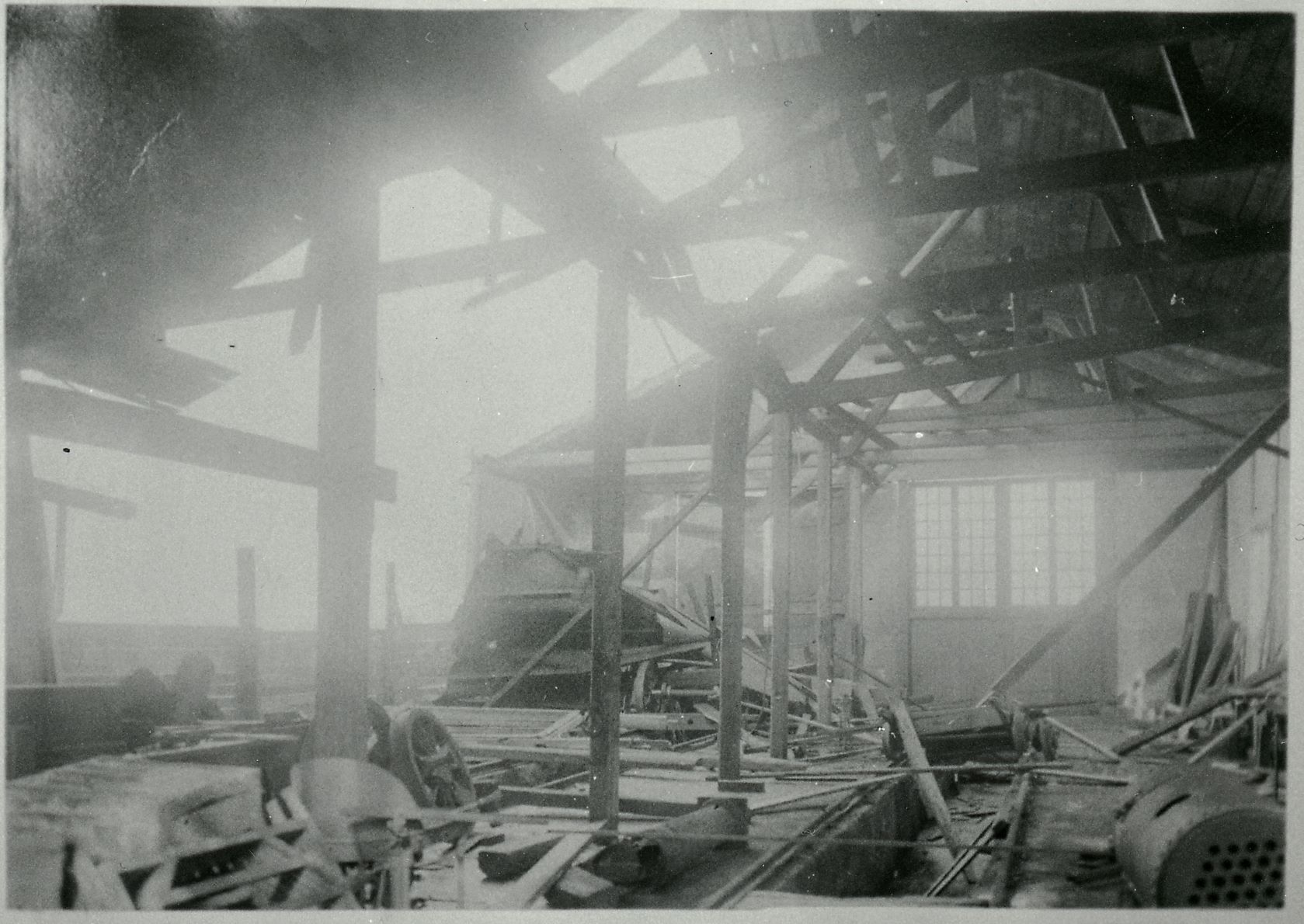
Closest shed brick wall is gone, the other propped up, the ceiling blown off.
Amazingly, no one of the seven persons in the shed was killed in the accident.
Casualties:
C.M. Sand, Chief Engineer (also young stoker at the top pic) had one lower leg broken off and lacerations.
J. Nilsson, Supervisor, also suffered a leg broken as well as lacerations.
C. Petterson, lacerations and concussions from getting hit by flying wooden beams from the former ceiling.
So - what happened, and why?
The #1 loco have had a 30 year service, and was overhauled at Eksjö to finally become a shunter.
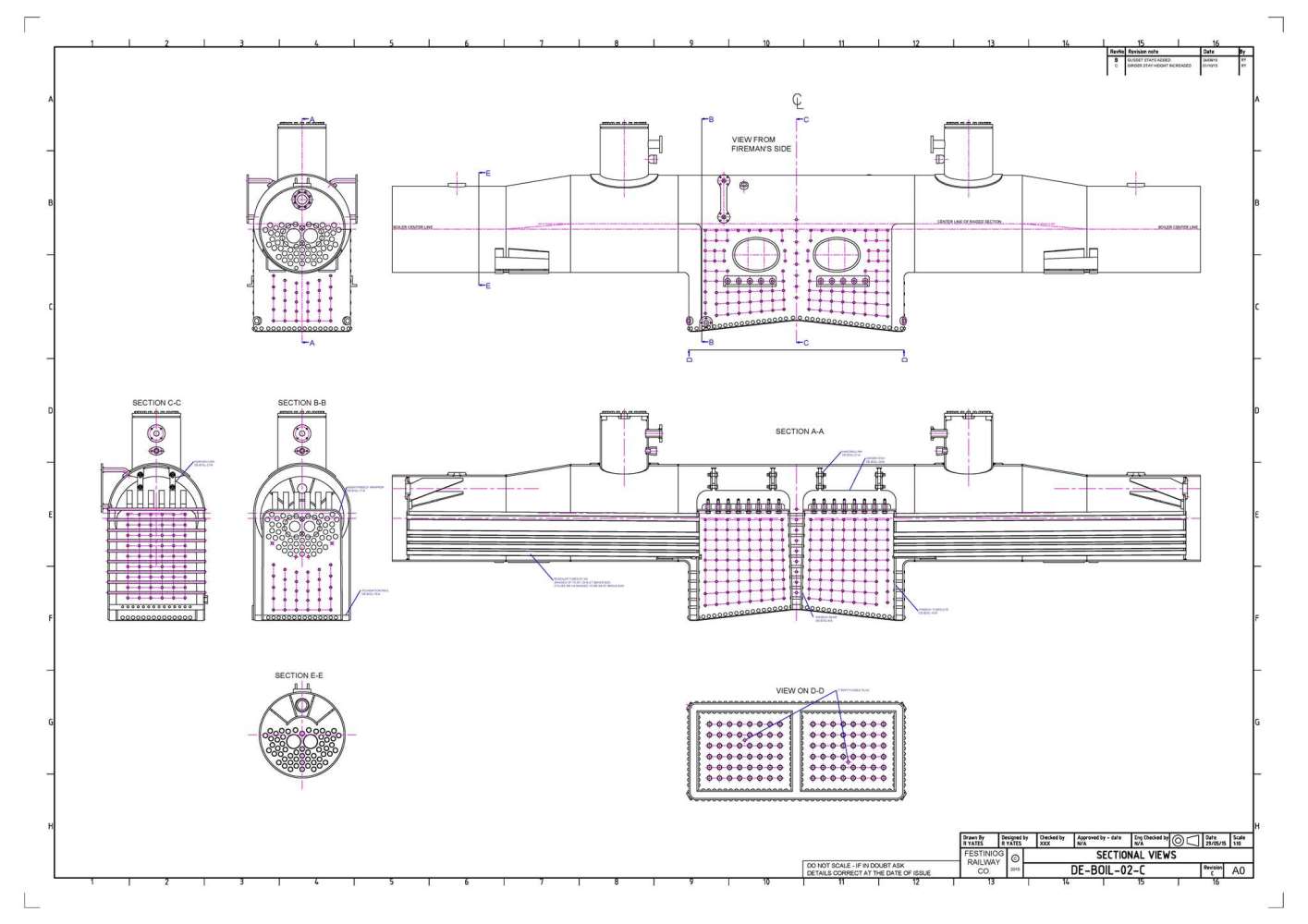
Note the boiler pic above - rather two boilers back-to-back with a firebox each.
Hot pressure testing had started without realizing that a lead washer,
used from the previous cold pressure test to protect the gauge, was still in place.
-Did I forget to mention the safety valves had also been firmly tightened down?
This washer apparently had a smallish pore in it - as the gauge climbed during firing,
finally to set at at an comfortable 8 atm (130 psi) in spite of further stoking.
This continued for a good while, but when the Chief Engineer perceived something was very wrong,
and finally yelling for the fire to be put out, the loco took off thru the ceiling, just leaving its two drive bogies behind.
![]()
-Why UPWARDS, you probably ask?
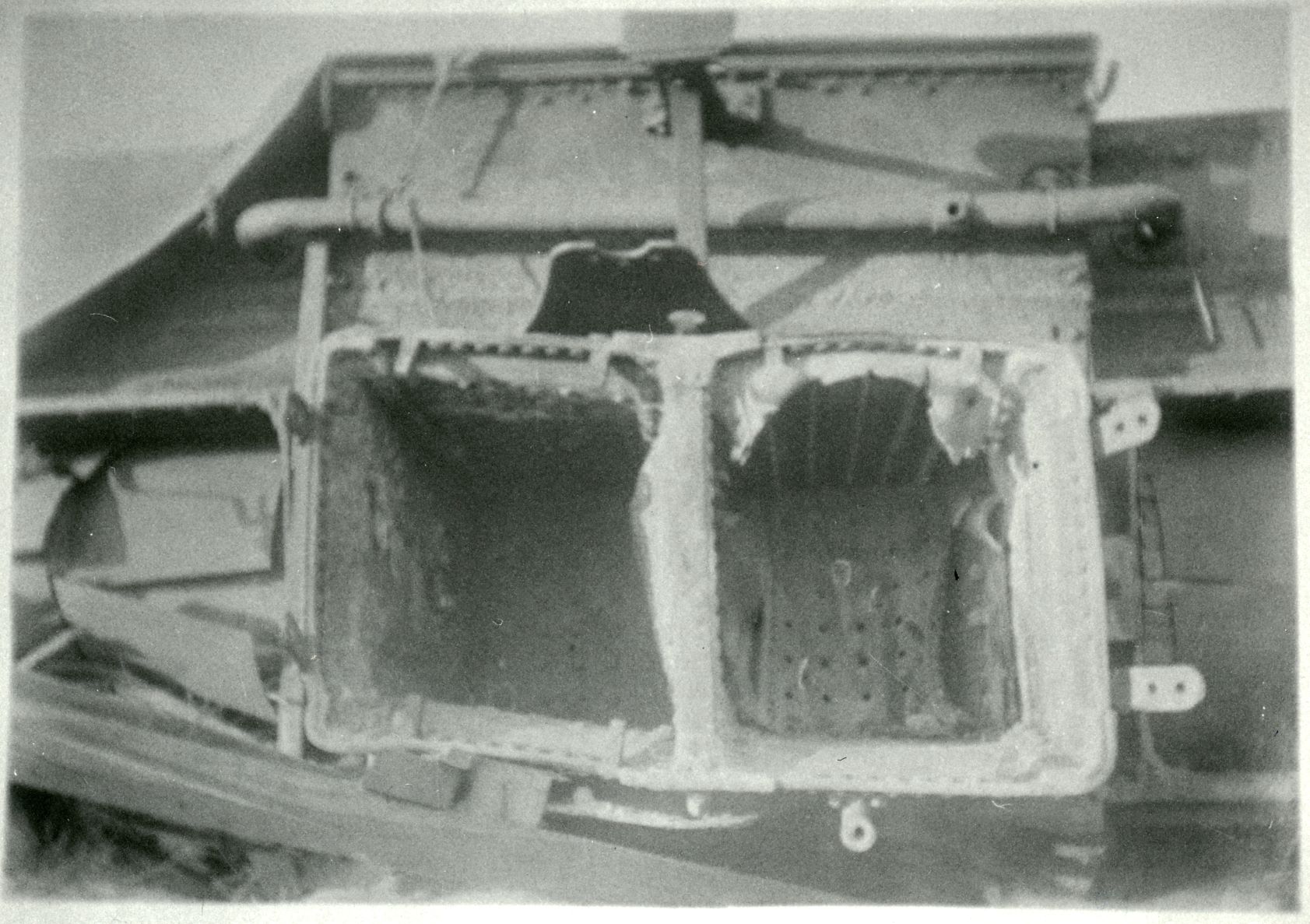
Seems like the 2 boiler ends towards the fire boxes gave in (or rather out), converting the superheated liquid water
into a pillar of expanding steam going downwards, blowing away the grates and ashpans, lifting the upper loco part,
tearing off the steam tube bogie pivots leaving the cylinder frames on the shed's track.
View from below, upwards into the fireboxes:
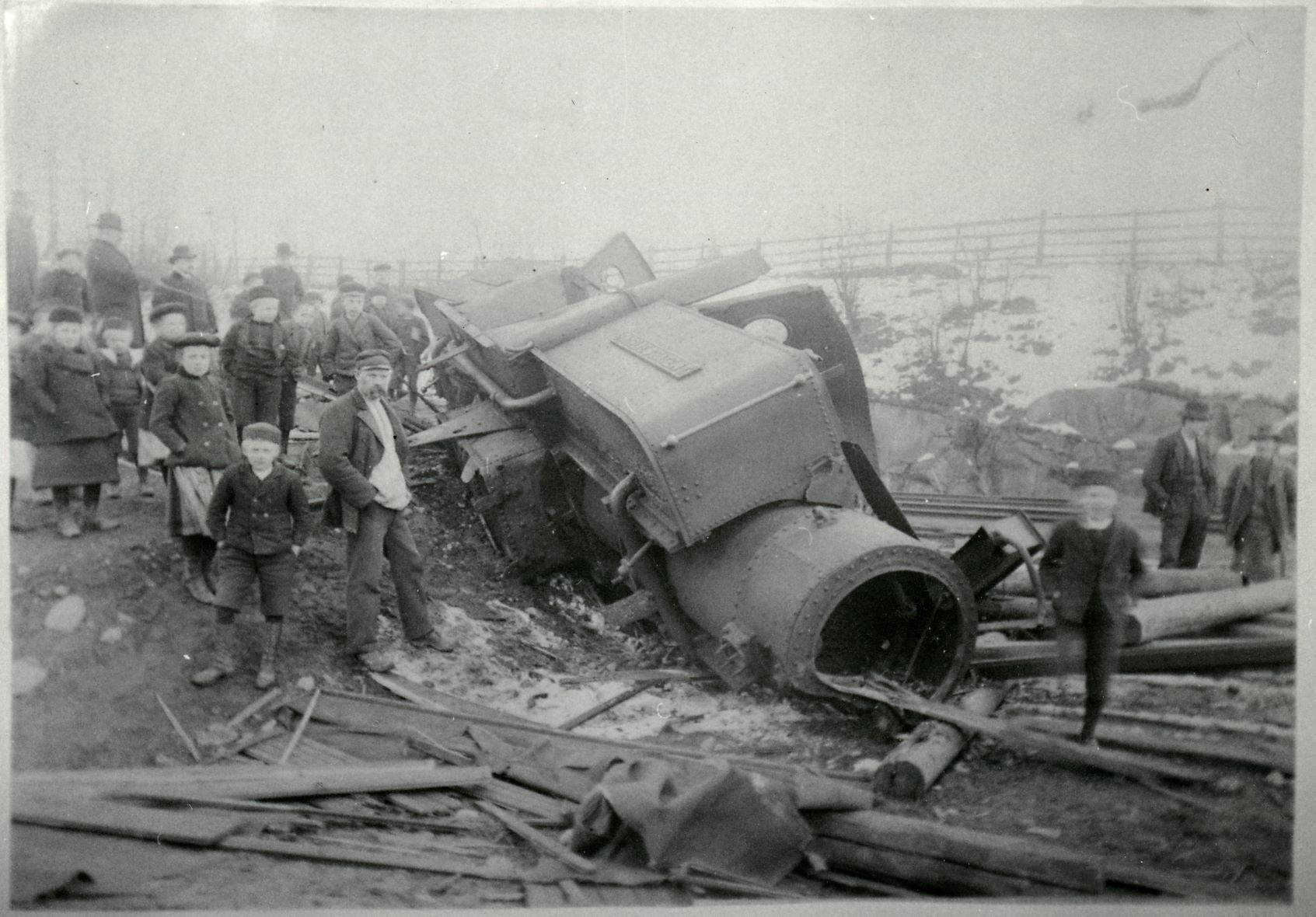
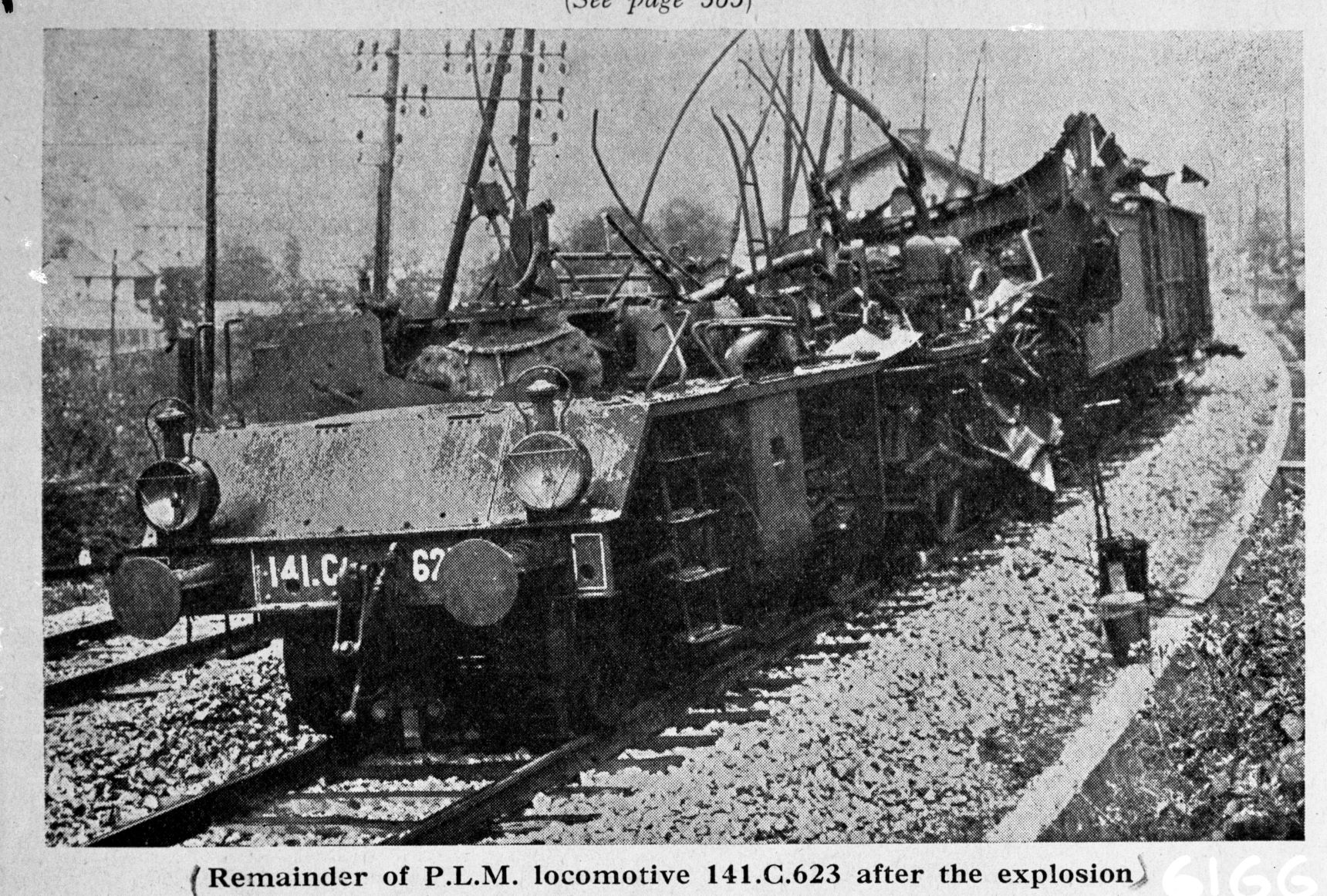
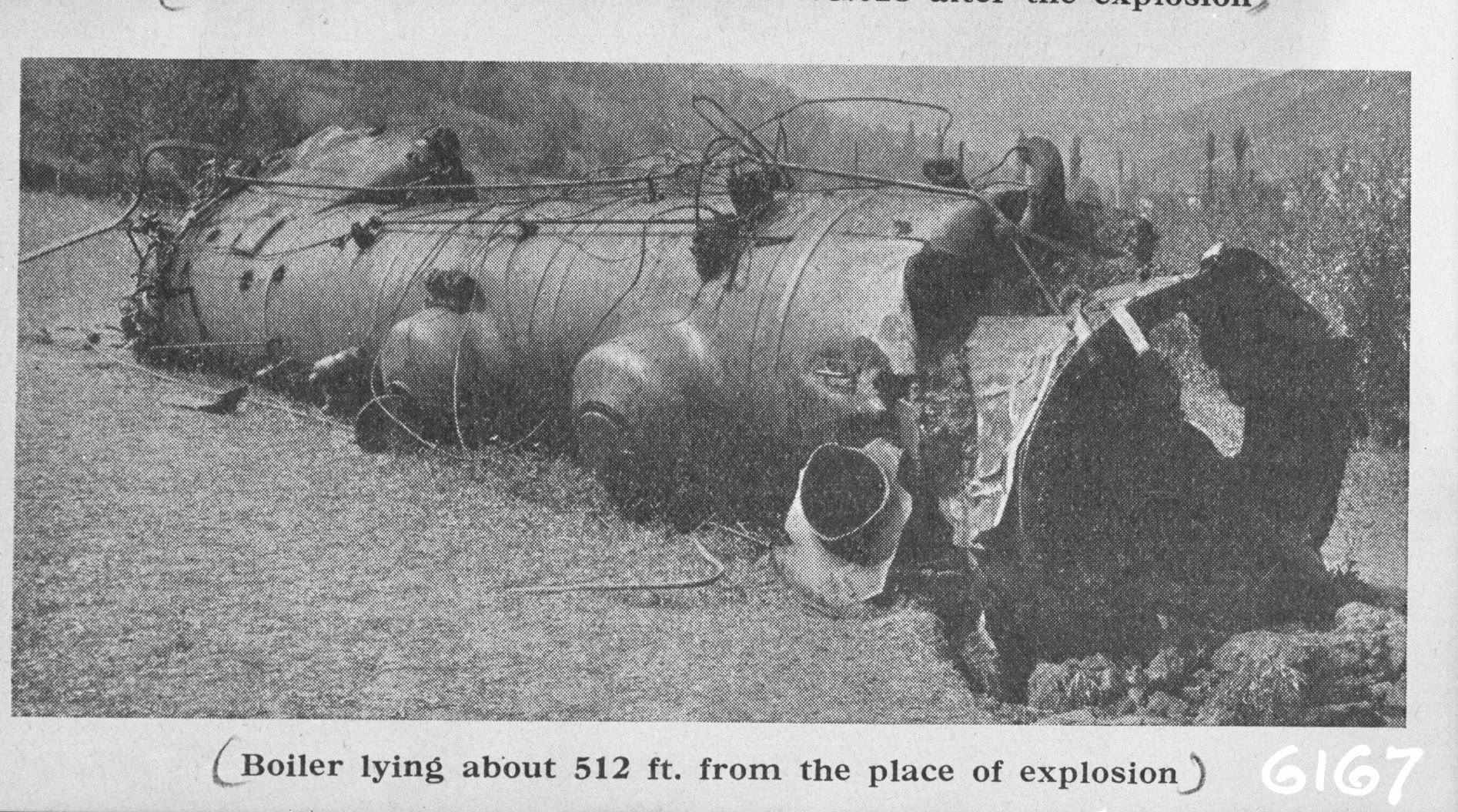
Boiler explosions from firebox failures in ordinary locomotives usually result in more horizontal missiles:
![]()
But as the Fairlie had two boilers back-to-back, the steam had nowhere else to go but downwards,
thus raising the loco up, up and away. Pretty simple, eh? Case closed.
-Now try to figure out the reasons for this pic from Strömmen, Norway in 1889:
Thanks for putting up with my story this far!
Johan
1) https://en.wikipedia.org/wiki/Ffestiniog_Railway Yep - they're still building Fairlies...
2) http://www.georgeengland.org/2016-11...any-1869--1870
Beserkleyboy (Jan 2, 2020), Frank S (Jan 2, 2020), hemmjo (Jan 2, 2020), HobieDave (Mar 8, 2020), jimfols (Jan 2, 2020), Jon (Jan 2, 2020), mwmkravchenko (Jan 2, 2020), Toolmaker51 (Jan 2, 2020)
DIY Swede, thank you for the detailed history! I had the pleasure of riding the Ffestiniog Railway in 1985...of course with no knowledge other than it went UP with great power...we toured thes slate mine, and I, in my would be explorer mind (32), decided the fast way down was overthe side, rather than wait for the train...well, the 'side' was the steep embankment, 1:1, of slate slag, for about 400 mtr...my my...I did not beat the train...if you get the chance, Wales has heaps of attractions to explore, none better than Port Merion, the model Italianate village used in 'The Prisoner' series with Patrick McGoohan and his Lotus Super 7...well worth watching...#6...cheers from the fire raveged South Coast of NSW, AUS...
Jim
Standpipe construction crew. Billerica, Massachusetts. Circa 1900.
Fullsize image: https://diqn32j8nouaz.cloudfront.net...w_fullsize.jpg
![]()
New: BuildThreads.com - 300+ build posts/day (with photos)
jimfols (Jan 11, 2020), Toolmaker51 (Jan 11, 2020)
That is a storage tank. We had one of those in our private water district, capacity 15,000 imperial gallons atop a 40 foot tower, now decommissioned. We still have standpipes at intervals along our underground watermain - 2 inch, 3 foot verticals terminated in capped firehose thread. Originally intended to serve as fire hydrants, they are still classified as such for home insurance. Now used periodically to clear watermain sediment. In the photo, the predrilled holes in the tank wall sections are temporarily registered at intervals with bolts and nuts acting as clecos clamps. The bullet hole in the pipe smoker's hat looks like the ace of spades.
Quinton 357 (Jan 18, 2020), Toolmaker51 (Jan 11, 2020)
greyhoundollie (Jan 11, 2020)
greyhoundollie (Jan 11, 2020), jimfols (Jan 11, 2020)
greyhoundollie (Jan 11, 2020), Toolmaker51 (Jan 11, 2020)
There are currently 16 users browsing this thread. (0 members and 16 guests)
Bookmarks