 LinkBack URL
 About LinkBacks
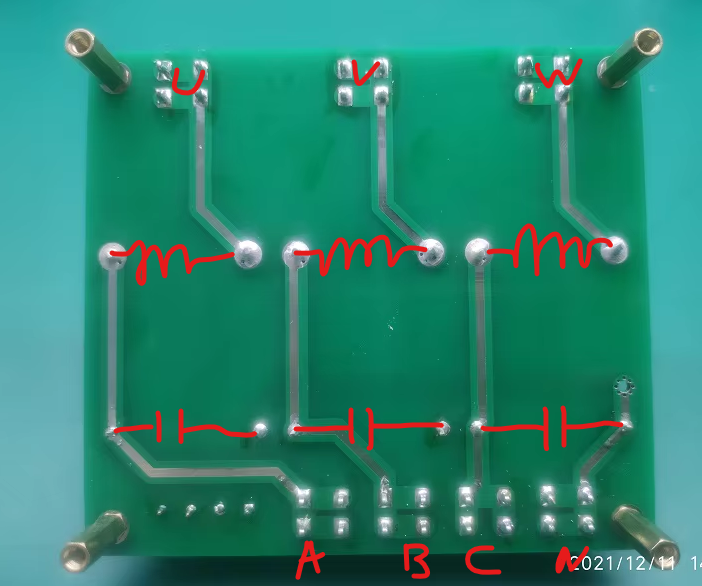
L for filter coil is 2mH, Capacity value of the capacitor is 4,7uF.
Looks like capacitors are connected between phase and N





L for filter coil is 2mH, Capacity value of the capacitor is 4,7uF.
Looks like capacitors are connected between phase and N

So the impedance of the coil is 100 Ohms, the capacitor's is 4.25 Ohm. At 8KHz puls frequency the vfd "sees" for the higher frequency pulses an impedance of 96 Ohm and at 230V the filter alone causes a current of 2.4 Amp. That current is 90 degrees out of phase wrt. the voltage and does not consume energy but the vfd has to supply it in addition to the motor current. So Tony's advise to remove the capacitors seems to be a good move. But increasing the inductance of the coils to 50 mH is a better choice. For that latter coil beware of the Ohmic resistance which had to be not to high so the wire OD has to be sufficient. For a 10 Ohm resistance the dissipated power at 2A is 40W and the coil will be heated considerably.

It seems that the base problem here is not understood by some of the respondents. One major cause is the capacitance of the cables to the motor. This is why long cable runs are more in need of inductive dV/dt filters and why added capacitance is usually unhelpful.
Project is moving forward to power feeds.
This is crappy prototype to find out if idea was good. There are two halves of dog clutch, spring between them. Electromagnets connects both halves together, distance of movement is only 2.5 [mm]. Why I build whole clutch by myself and didn't use a car air conditioner electromagnetic clutch? - Clutch from AC is huge.
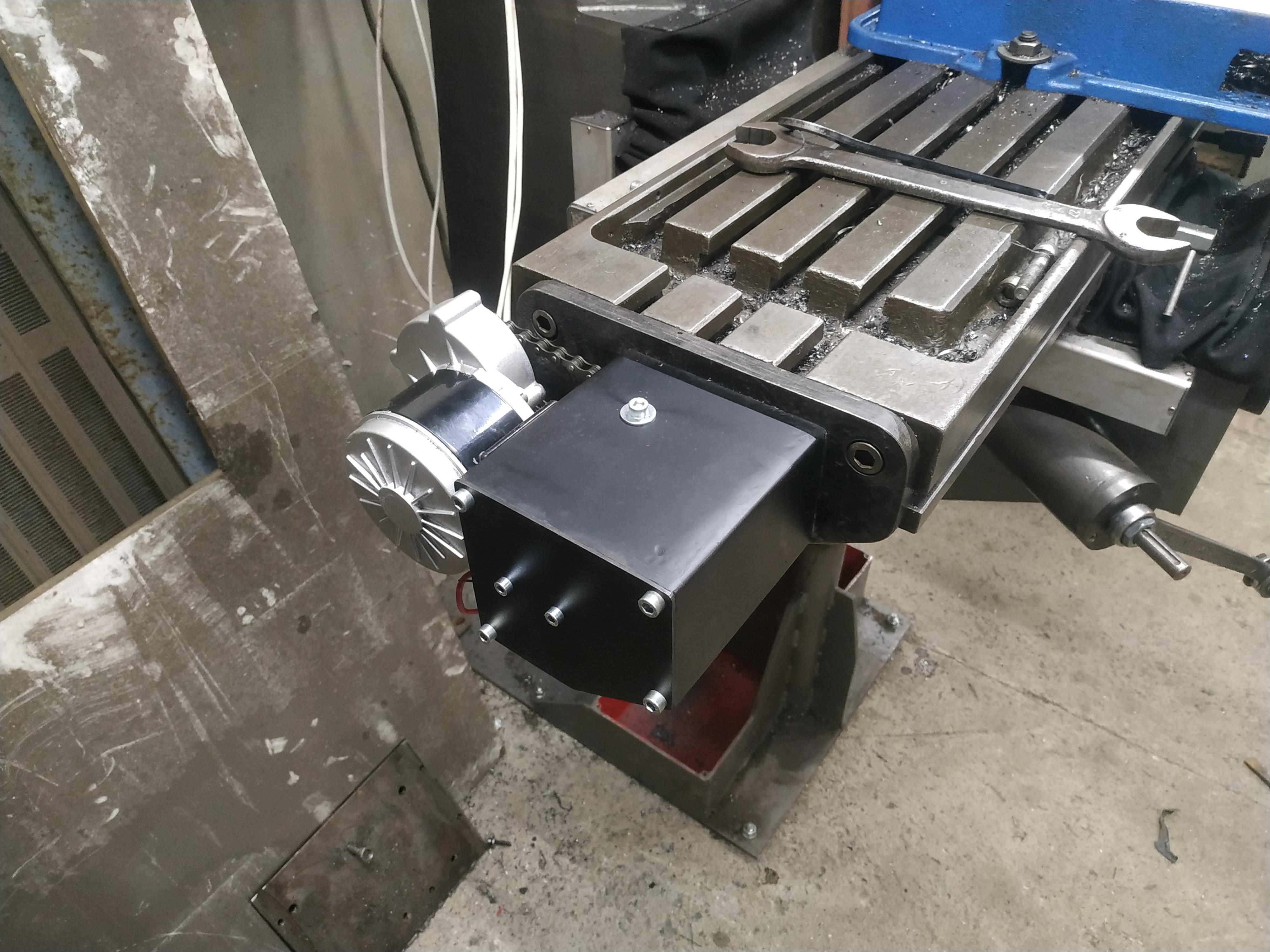
Then I built nice civilised looking unit:
Now I'm going to build similar working clutches for Y and Z axis.
Last edited by SteelCraft; May 25, 2025 at 04:52 AM.
mwmkravchenko (May 24, 2025), tonyfoale (May 24, 2025)
I have used clutches from car AC on a lathe spindle motor, but as you say they are too large to be suitable for axes drives.Originally Posted by SteelCraft

What happens when the two halves of the dog clutch try to come together with a high tooth against a high tooth? Does it just spin until the two halves fit together? Do you activate the clutch before the drive motor or are they activated together?
SteelCraft (May 25, 2025)
It spins until two halves fit together. Clutch is activated when PWM module is switched on, motor activation is not possible with clutch deactivated.
 when knee going down starts vibrating a lot. Very loud, whole machine starts shaking. I tried everything even welding in again flange for nut to remove any missaligment but nothing helped.
It worked well only two days...
Lead screw don't run dry, it's oiled.
Do you have any ideas what else I could try to remove those vibration?
P "Pin It")
I built similar working power feed for Z axis and I faced a problem which made me stuck.
Lead screw nut (made from bronze) when knee going down starts vibrating a lot. Very loud, whole machine starts shaking. I tried everything even welding in again flange for nut to remove any missaligment but nothing helped.
It worked well only two days...
Lead screw don't run dry, it's oiled.
Do you have any ideas what else I could try to remove those vibration?
Problem on video:
Last edited by SteelCraft; Jun 18, 2025 at 03:48 PM.
nova_robotics (Jun 19, 2025)

So for two days of use after you allowed for the re-alignment you had good turning, and then back to vibration?
Więc przez dwa dni użytkowania, po ponownym wyregulowaniu nakrętki, obroty były dobre, a potem znów pojawiły się wibracje?
Mark
Two days of use were after first assembly and tests. When I do re-alignment of nut everything is messed after one - two cycles up and down.
IIRC you have linear ball slides on the Z axis, that is very low friction. I am guessing but I do not believe this is a good match to a normal lead screw. Maybe you need a ball screw. Like I said this is a guess, but the forces provided by the slide friction from normal dovetails will relieve load off the lead screw and nut on the way down.
I am currently building a CNC surface grinder which with a change of grinding head to a milling spindle will also be a 3 axes mill. I am using linear rails and ball screws on each axis. However as it is a work in progress it is too early to come to any conclusions about vibration. I have my fingers crossed.
Here is an idea. On my Bridgeport mill I have added 4 assist springs to the knee to relieve load off the stock screw and nut. Here is post that I made A knee helper
maybe something like that would work for you???????
mwmkravchenko (Jun 18, 2025)
There are currently 2 users browsing this thread. (0 members and 2 guests)
 Posting Permissions



 Reply With Quote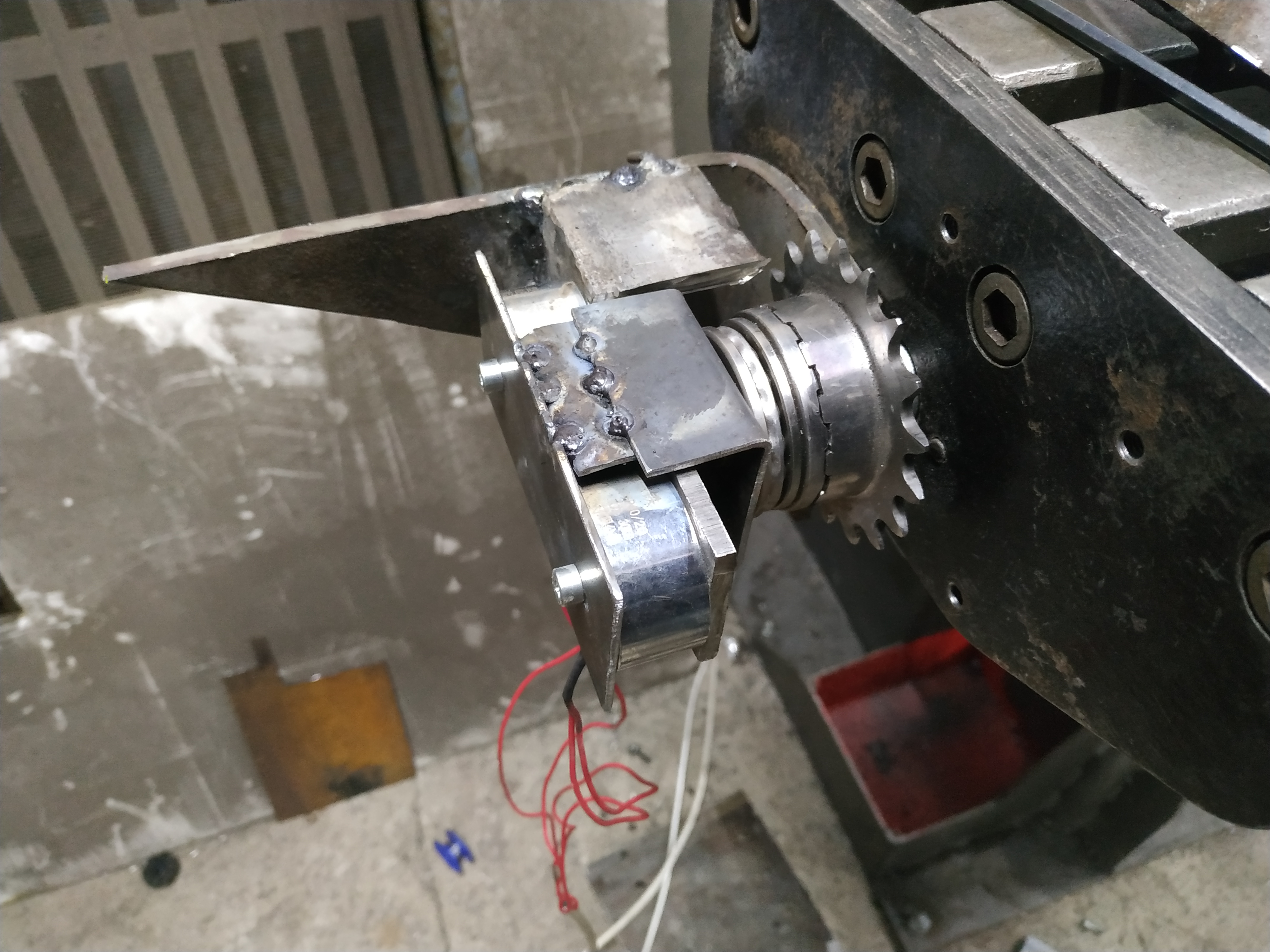
Bookmarks